
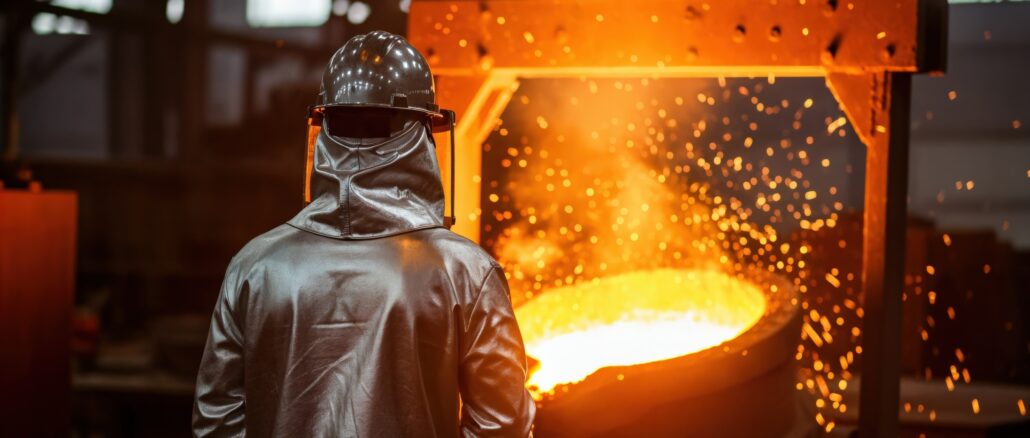

When things move quickly, they tend to get hot. It is basic physics that controls modern aircraft development. Jets breaking sound barriers face skin temperatures that turn regular metals into pudding. Airlines push engine temperatures higher each year in the chase for fuel savings. Spacecraft returning home glow white-hot from atmospheric friction. Winners in aerospace now are companies solving heat problems, while competitors struggle with old materials. This thermal technology race might be the most critical competition happening in aviation right now.
The Growing Heat Challenge
Today’s aircraft deal with absolutely brutal temperatures. Hypersonic weapons rip through the air at five times sound speed, creating 3,000-degree surface heat. New fighters need materials that can survive hours of supersonic flight without falling apart. Regular passenger jets run engines hotter than ever before because airlines want to burn less fuel.
Heat destroys materials in nasty ways. Aluminum gives up half its strength by 400 degrees. Titanium starts going soft at temperatures that modern engines call lukewarm. Steel could handle the heat, but weighs so much that planes couldn’t get off the ground. Time makes everything worse. Hot, cold, hot, cold, over and over again. Tiny cracks form. Cracks spread on each flight. Parts fail. Airlines blow fortunes swapping heat-damaged components constantly. Military jets sit in hangars because crucial parts cooked themselves useless.
How Heat Resistance Creates Market Leaders
Master heat and you own the market. It’s as simple as that. Your planes fly faster and higher while burning less fuel. Engines produce more thrust from each gallon. Parts last years longer between replacements. Think about engine combustion. Hotter burning means fuel gets used completely instead of wasted. Less waste translates to better mileage and cleaner exhaust. But you need materials that will not melt at those temperatures. Companies without them just watch everyone else zoom past.
Military benefits get even crazier. Jets that maintain supersonic speed for hours instead of minutes. Missiles that reach targets before enemies can react. Spacecraft hauling heavier loads because heat shields weigh less. Countries with this technology gain enormous advantages over those without.
The Materials Arms Race
Everyone is throwing money at heat resistance research. Universities, defense contractors, startups, government labs. Billions are spent annually hunting for materials that shrug off inferno temperatures. Silicon carbide composites lead the pack. Ceramic matrix composites show incredible promise. Ultra-high temperature ceramics push boundaries nobody thought possible.
Military contractors constantly search for high-temperature composite materials suppliers for defense applications, and companies like Axiom Materials have responded by creating ceramic composites still working perfectly past 2,200 degrees Fahrenheit. We’re talking about materials that stay rock solid when steel flows like water. They resist oxidation, maintain their shape, and keep full strength at temperatures that vaporize aluminum.
Building this stuff requires obsessive precision. Fiber weaving patterns must be exact. Ceramic density can’t vary even slightly. Coatings need flawless bonding or everything fails catastrophically. Master the science and production together, and competitors cannot touch you.
Conclusion
Heat resistance stopped being just another specification and became the key to dominating aerospace markets. Conquer thermal challenges and you build aircraft nobody else can attempt. Faster planes, cleaner engines, tougher spacecraft all become possible. The temperature ceiling keeps rising, and companies that can’t keep up will find themselves locked out of tomorrow’s aerospace industry. Those who tame extreme heat will write aviation’s next chapter. Smart money follows companies investing heavily in thermal technology today because they are building the foundation for decades of aerospace dominance. The gap between thermal leaders and everyone else widens every year, making catch-up nearly impossible for late starters.