
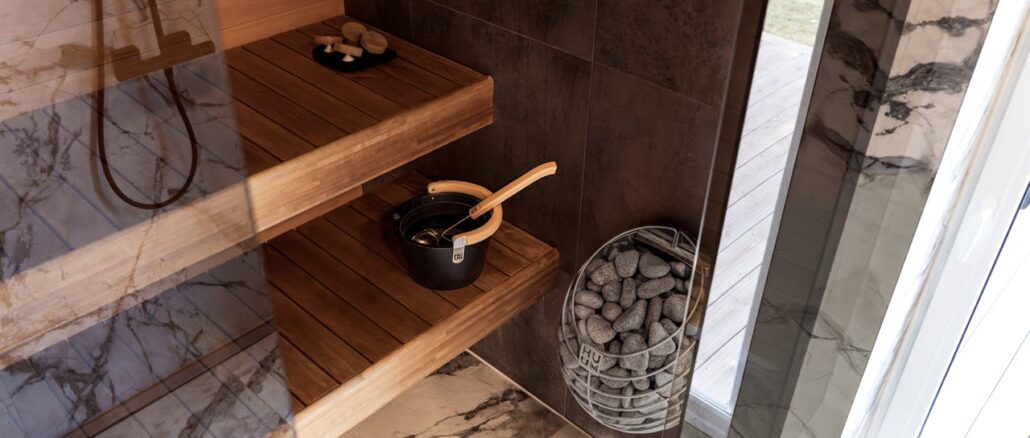

An electric sauna heater draws a constant power from the mains and costs a consistent figure per visit, whereas a wood-fired heater is burning logs and costs nearly nothing to run (if you have cheap logs) but takes a great deal of time and effort to run. For an average UK domestic sauna, an electric heater running a 6090-minute session will cost generally in the region of one or two pounds in electricity, and a wood-fired stove will cost a few pounds worth of logs (or next to nothing if you are collecting your own). If only considering the energy cost, the cheapest method is wood assuming the logs are cheap and the whole process of ‘ritual’ is important to you.
The two are not comparable on any simple number, as they consume energy in very different ways. The electric heater uses your electricity supply to produce heat efficiently on demand, whereas the reclaimed timber fires ground up chemical potential to create a less predictable heat source that needs manual management. A fair comparison really needs to take into account what they will do for your property, how you will use them, and ultimately what it is you want to do in front of a fire for the best satisfaction.
How much electricity does an electric sauna heater use?
All electric sauna heaters are rated by power and you find domestic values for 4.5k W up to 9k W, sized for the volume to be heated. An small two to three person sauna may use a 4.5k W to 6k W element, but you need 8k W or more for a family sized cabin.
When warming the room to temperature, the heater will be almost at full rating, flicker between on and off to maintain it, giving a lower average value over a session. Finding the cost is easy once you know the rating. A 6kW heater that takes 30 to 45 minutes to get up to working temperature (70-90 degrees C) and then remain there during a session will probably use something in the region of 4 to 6kWhours in total. At current prices in the UK that works out at something in the range of one to two pounds per session, which for someone using the sauna three times a week slightly elevates the monthly bill to an affordable but not frightening amount.
Insulation is the lever that moves this most. A well-built, properly insulated cabin holds heat efficiently and lets the heater cycle off more often, while a draughty or poorly insulated room forces the element to work continuously and pushes the cost up. Larger electric heaters above 9kW often need a three-phase supply or dedicated wiring, which is a real installation consideration, so the practical electrical setup of your home can quietly shape which heater size is even available to you.
How does wood-fired heater energy use compare?
A wood fires has the advantage of avoiding the electricity bill altogether and runs on logswhich is why, when people have the fuel, they find it the cheaper to operate. Each session could use 5-10kg of reasonably dry hardwood to keep the whole cabin warm, and the cost of this depends totally on where you get the fuel from. If you buy kiln-dried logs at retail, a session will cost a couple of pounds, if you cut and season your own it costs nearly nothing.
The heat in the room itself is a different matter: wood fires emit a mighty, glowing heat, which lots of proponents will prefer. They also get to the customary Finnish sauna heat quickly, warmer than electric and, to those raised in that tradition, warmer and more authentic seeming. The cost of this is the loss of control, as you cannot turn up a wood fire to precisely the right temperature as you can an electric, and keeping the room that warm involves stoking the fire rather than turning a switch.
Which works better for different homes and locations?
The type of property influences the choice before cost coming into play. The rural dwelling with enough land for a log store and no neighbours to ruin the intimacy of the fire is eager for a wood-fuelled heater, whereas the small city garden, where smoke, flues and smoke control zones make life more difficult, will be Electric every time. Some city locations also prohibit woodfuels so it is wise to research the local legislation before you purchase the stove that you will not be legally able to operate. What even feels ‘cheaper’ in practice varies with how often you use the appliance.
An avid daily sauner takes advantage of the instant, low-effort readiness of electric, where a flick of the switch or intelligent timer getting the cabin warm by the time they’ve changed. For occasional use, where the user relishes the writing of a fire, fuel cost per session makes that style worthwhile. The optimal heater for a daily user is often the wrong one for a weekend burner.
When you are choosing the heater, it pays to think about it alongside the cabin itself, since the build quality and insulation of the structure affect energy use as much as the heater type does. Well-insulated garden saunas from specialists such as garden saunas hold heat efficiently regardless of which heater you fit, and pairing a good cabin with the right heater for your habits matters more than the electric-versus-wood debate in isolation. A leaky cabin wastes energy whichever way you heat it.
What about installation, maintenance, and long-term cost?
The initial and running costs vary in ways longer-lasting than the energy bill. Electric heaters are easier to install if your electrics can carry it (it doesn’t have a flue and doesn’t fire up embers, yet it still has an element and a control unit that can eventually fail). Wood-fired stoves require a properly installed flue, adequate clear space from any combustible objects and yearly chimney cleaning, which is a maintenance and comparatively small cost electric owners don’t have.
Lifespan and reliability do so in totally different ways: the wood stove may be uninspiring but it only has a handful of easy to replace parts and will happily sit for a decade in the garage, meanwhile the more convenient electric set makes sense on a daily basis but you still have to take care of the electronic components over a long life. They are not Really cheaper to maintain for ten years; they just require different types of attention: one mechanically and dusty, the other once-in-a-while with an electrician.
With the energy savings factored in, the cost of wood scenario doesn’t really come into its own until your wood is very cheap; as the price of purchasing kiln-dried logs at full retail price makes the difference in running costs a lot closer.