
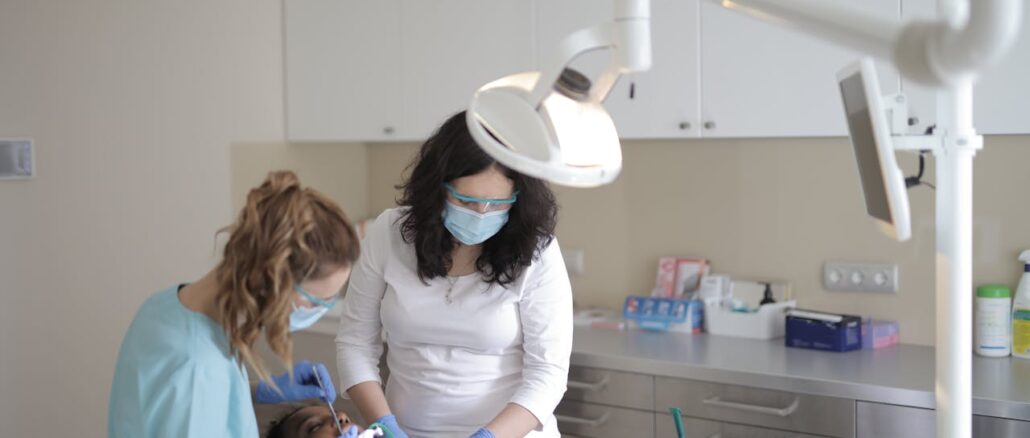

Modern professionals are investing in cosmetic dentistry since a confident smile makes good currency in jobs driven by face-to-face impressions, video conferences, and personal brands. Whitening, veneers, and invisible braces are now measured investments rather than frivolous indulgences, as many consumers regard a better smile the same way they do a good suit, LinkedIn profile, or a professional headshot: something that idly influences other people’s assessment of their competence. What’s different though is partly what we’re asked to do and partly what we are paying for.
More career dentists own a webcam, where your close-up face beams at you so much it’s almost intrusive, than in the boardrooms of the 1990s. And at the same time, procedures that were in the past available only to millionaire celebrities have become more accessible and affordable thanks to flexible finance and less invasive procedures, ensuring cosmetic dentistry is now a very ordinary charge for practitioners.
What Counts as a Cosmetic Dental Treatment?
Cosmetic dentistry encompasses any treatment directed towards improving the appearance of teeth, although many procedures also have functional advantages. Most patients start with whitening of their teeth as it is the most affordable. This treatment tackles the stain from drink and age and is non-invasive, change is reversible as teeth return to normal in colour gradually in 6-12 months, it is obviously visible after just 2 sessions or 2 weeks of use of in-home trays. A step beyond that is either cosmetic bonding or clear aligners.
The latter are a less obvious way to align teeth than braces and works over six to eighteen months or so, depending on how far there is to travel, a treatment time which many over 18s are happy to undertake. Bonding involves composite resin in a colour to match teeth either closing gaps, doing away with chips or reshaping a tooth, and as a rule in one appointment.
On the more dedicated side you have porcelain veneers, basically very thin shells stuck onto the front of the teeth allowing the hiding of shape, colour and slight alignment problems in one go.
How Does a Better Smile Actually Affect a Career?
The professional reward has less to do with glamour and more to do with attention management. In keeping with the idea that we focus on what others are self-conscious about, once individuals are no longer sensitive about discoloured or crooked teeth, they feel free to show their full, natural smile again. That regained comfort communicates trustworthiness and likeability to others, and social psychology evidence points to an association between authentic smiles and those traits that drive hiring, promotion, and client development.
The impact is localized to some areas. For all those working in sales consultancy law hospitality broadcasting or executive leadership, part of what they sell is themselves, and the face is part of the package. Hiring industry research indicates that interviewers regularly consider warmth and openness as well as skills, a naturally smiling candidate makes a bigger impression than one who remains distanteven if they perform equally well.
What Does Cosmetic Dental Work Cost, and Is It Worth It?
The cost steps up quite a bit from treatment to treatment, which is why a tier system is easier to use than a single figure. Easy to access at the low end and a common choice to begin with is professional whitening. Bonding holds a middle position, a ‘small’ cost per tooth, clear aligners are costly (a variable based on case complexity) and veneers are at the high end at a ‘large’ cost per tooth (one arch is a lot more expensive than just front teeth).
The ‘worth-it’ question hinges on just how much your actual work passes through your face. A front-line account manager who is on screen and in client meetings all day is addressing a different problem to a back-office analyst, and the ROI of the same treatment looks very different for both. It makes sense to consult Harley Street dentists, or a comparable practise, first before you go ahead, as a good clinician will often advise you to go for the least invasive solution that works, rather than the most expensive version, alternatively many practices now give divided payment plans meaning a course of veneers or aligners is spread over many months, changing the affordability equation.
Are These Treatments Right for Everyone?
Not everyone takes cosmetic dentistry, but a good dentist will be honest about that. It must be the right choice for you if it is a real problem that is knocking your confidence or if you have particular, correctable issues in your mouth that mean your teeth aren’t perfect but that are not seeking perfection and an impossible ideal. Those who have underlying problems, cavity or disease, or weak enamel will have to address these first as stacking one set of treatment on top of another tends to cause problems further on. Expectations are huge here.
Whitening will only stain the teeth so white, before the image begins to appear too much in some thumbnails, and the very white, very uniform appearance that away people may be perceived as inauthentic on others. The dentists who seem most happy with the outcome, are those who want to look like a new and improved version of themselves and not completely different. Adapting the result to your own face and field is part of the art, and an educated clinician can more than earn his or her fee by honestly navigating that discussion.