
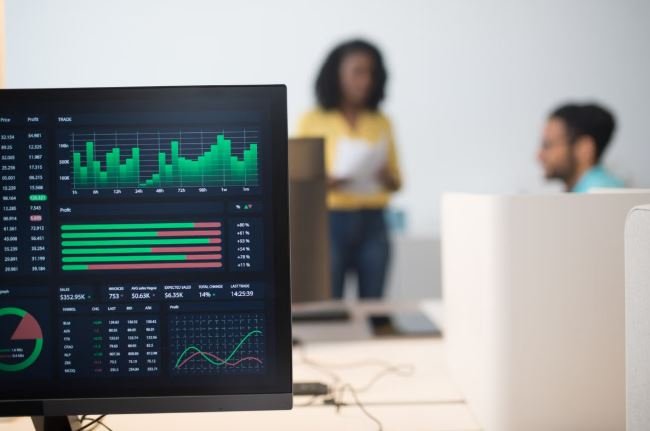
Data analytics in Singapore retail is becoming an important business tool as retailers adapt to changing consumer behaviour, rising operating costs and increasing competition across physical and digital channels. Businesses are moving beyond traditional sales tracking and relying more on customer insights, purchasing patterns and real-time operational information to guide their decisions. This shift is changing how retailers manage inventory, plan marketing investments, allocate resources and build customer relationships.
Singapore’s retail sector operates in a demanding environment where businesses must balance customer expectations with rental, manpower, logistics and technology costs. In this landscape, better access to business information can make a meaningful difference. Retailers that understand what customers are buying, when demand changes and which channels deliver stronger returns are better equipped to manage costs and protect profitability.
Data-Driven Decisions Are Changing Retail Strategy
Retail management has traditionally relied heavily on sales experience, market observation and historical performance. While these remain valuable, data analytics gives businesses a more detailed understanding of their operations and market conditions.
Retailers can combine sales records, customer transactions, loyalty programme information and digital engagement data to identify patterns that may otherwise go unnoticed. These insights support decisions on product selection, pricing, promotional planning and store performance.
For Singapore retailers, this is particularly relevant as consumer preferences can change quickly across product categories and shopping channels. Timely information allows businesses to respond to demand instead of depending entirely on assumptions or delayed sales reports.
Customer Analytics Strengthens Retail Competitiveness
Understanding customer behaviour has become central to retail growth. Consumers expect convenient services, relevant offers and consistent experiences across online and offline platforms. Retailers that understand these expectations can build stronger relationships and improve customer retention.
Customer analytics helps businesses examine purchasing frequency, product preferences, average spending and responses to marketing campaigns. The findings can support more focused promotions, improved loyalty programmes and better customer engagement strategies.
This also helps retailers evaluate the commercial value of their marketing investments. Rather than measuring success only through reach or engagement, businesses can assess whether campaigns are generating purchases, repeat visits and long-term customer value.
For Singapore’s retailers, where competition for consumer spending is intense, retaining existing customers can be just as important as attracting new ones.
Predictive Analytics Improves Inventory and Supply Chain Management
Inventory decisions directly influence retail profitability. Overstocking can increase storage expenses, tie up working capital and create pressure to clear unsold goods. Understocking, meanwhile, can result in missed revenue and weaker customer satisfaction.
Predictive analytics is helping retailers improve demand forecasting by examining historical sales, seasonal patterns, promotional activity and current purchasing trends. These insights support more accurate procurement and replenishment decisions.
Better forecasting can also strengthen coordination between suppliers, distribution centres and retail outlets. Businesses can improve stock availability, reduce avoidable wastage and respond more effectively to changes in demand.
In Singapore, where retail businesses operate within a highly connected supply chain environment, efficient inventory management can contribute directly to cost control and operational resilience.
Omnichannel Retail Is Creating New Business Insights
Singapore’s retail market is increasingly shaped by customers who move between physical stores, e-commerce platforms, mobile applications and social commerce. Retailers therefore need a connected view of how consumers discover products, compare options and complete purchases.
Data analytics helps businesses assess performance across these channels. Online traffic, product searches, digital campaign results, transaction records and in-store sales can provide a broader picture of customer behaviour.
This information allows retailers to understand which channels generate revenue, where customers disengage and how digital marketing influences store visits and purchases. It also supports more consistent pricing, promotions and customer service across different platforms.
For businesses investing in omnichannel operations, the ability to connect information across sales channels is becoming an important part of commercial planning.
Store Analytics Supports Better Cost and Workforce Management
Physical retail operations continue to involve significant expenses, particularly in areas such as rental, staffing, utilities and store maintenance. Data analytics can help retailers examine outlet-level performance and identify opportunities to improve efficiency.
Footfall trends, transaction volumes and sales performance can provide useful information for workforce planning and store management. Retailers can assess peak trading periods, compare outlet performance and make better-informed decisions about staffing requirements and store operations.
These insights are particularly useful for businesses managing multiple outlets across Singapore. Comparing performance across locations can help management identify operational differences, review resource allocation and improve consistency.
The objective is not simply to reduce operating expenses but to ensure that resources are being used where they contribute most to business performance.
Digital Transformation Opens Opportunities for Retail SMEs
Data analytics is also creating opportunities for Singapore’s small and medium-sized retailers. Digital tools that were once associated mainly with large businesses are becoming more accessible through cloud-based software, digital payment systems and integrated retail platforms.
The Retail Industry Digital Plan supports the digital transformation of Singapore’s retail businesses by helping companies identify relevant technologies and strengthen their digital capabilities. This is important for SMEs that may have limited budgets, technical expertise or dedicated data teams.
For smaller retailers, the adoption of practical tools can improve visibility into sales, stock movement, customer activity and business expenses. Access to organised information can make financial planning, purchasing and marketing decisions more effective.
However, successful digitalisation requires a clear business objective. Retailers need to assess whether a technology investment can improve productivity, reduce costs, strengthen customer relationships or generate measurable commercial value.
Artificial Intelligence Is Expanding the Role of Retail Analytics
Artificial intelligence is adding another dimension to retail data analysis. AI-powered systems can process large volumes of information, identify patterns and support faster decision-making.
Retail businesses are exploring applications such as automated product recommendations, demand forecasting, customer service automation and sales performance analysis. These capabilities can reduce manual workloads and help management respond more quickly to changing market conditions.
AI can also support more efficient marketing by helping businesses understand customer segments and evaluate campaign performance. When combined with reliable data, these tools can improve planning and operational responsiveness.
Nevertheless, retailers must ensure that automated systems are supported by accurate information and appropriate human oversight. Technology should strengthen business decisions, not create unnecessary complexity or replace customer understanding.
Data Protection and Skills Will Shape Adoption
As retailers collect more information through digital transactions, loyalty programmes and online platforms, responsible data management is becoming increasingly important. Protecting customer information is essential to maintaining trust and supporting sustainable digital growth.
Businesses need appropriate security measures, controlled access to information and clear practices for collecting and using personal data. Singapore’s Personal Data Protection Act also makes data protection an important consideration for organisations handling personal information.
Skills development is another priority. Retail employees and managers need the ability to interpret business reports, understand performance indicators and translate insights into operational improvements. Without these capabilities, investment in analytics technology may not deliver its full value.
Building a More Competitive Retail Business
Data analytics is becoming an important part of Singapore’s retail business strategy. Its influence extends beyond customer recommendations to inventory planning, supply chain coordination, marketing performance, workforce management and financial efficiency.
For retailers, the real advantage lies in using information to solve everyday business challenges. Better demand forecasting can reduce unnecessary stock costs, customer insights can improve retention, and channel-level analysis can help marketing budgets generate stronger returns.
As Singapore’s retail industry continues to evolve, businesses that combine digital capabilities with sound commercial judgement will be better positioned to manage competition and changing consumer expectations. Data analytics is no longer simply a technology investment; it is becoming a practical foundation for improving retail productivity, strengthening profitability and supporting long-term business growth.
