
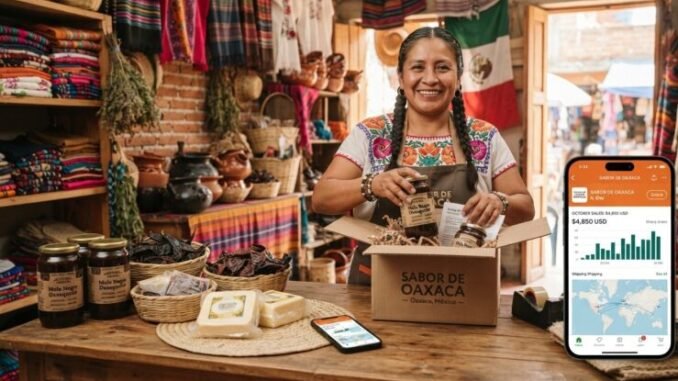
Nov 03: Oaxaca, a state in southern Mexico, has built a strong identity around its traditional food, locally sourced ingredients and small-scale food production. Its chocolate, mole, coffee, mezcal, honey and regional spices are valued for their distinctive flavours and traditional preparation methods. For generations, many of these products have reached consumers through local markets, independent retailers, restaurants and tourism.
That business model is gradually expanding. E-commerce in Oaxaca is giving traditional food producers new ways to reach customers outside their immediate markets. Through online marketplaces, social media and independent shopping websites, small businesses can introduce regional products to consumers across Mexico and explore opportunities in international markets.
This development is creating fresh possibilities for the Oaxaca food industry. It is changing how producers promote their products, manage sales, build customer relationships and compete with larger food brands.
1. Regional Food Producers Are Reaching Customers Beyond Oaxaca
Oaxaca has a diverse range of traditional food products, including mole negro, mole rojo, Oaxacan chocolate, quesillo, dried chillies, coffee and locally produced sauces. Many of these products have an established customer base among people familiar with Mexican cuisine.
However, smaller producers have traditionally faced difficulties reaching customers in distant cities. Expanding into new markets often requires distribution partners, retail agreements and additional investment.
Online selling offers an alternative. Producers can list their products on marketplaces, create their own websites and accept orders from customers in different parts of Mexico.
Packaged products with longer shelf lives, such as coffee, chocolate, spice blends, dried chillies and prepared mole pastes, are particularly suitable for this approach.
For family-owned businesses and local cooperatives, digital sales can create an additional revenue channel without the immediate expense of establishing physical shops in other locations.
2. Online Marketplaces Are Creating Opportunities for Small Businesses
Established e-commerce platforms are helping regional entrepreneurs explore online selling without having to develop their own technology and payment systems.
One notable example is the Oaxaca government’s collaboration with Mercado Libre in 2023 to introduce the Producto Oaxaca online store. The initiative aimed to help local producers and entrepreneurs promote their products through digital commerce while improving their understanding of online selling.
In February 2025, the state government also announced an online store for ARIPO Hecho en Oaxaca through Mercado Libre, providing another digital channel for products associated with the region.
These initiatives demonstrate how partnerships between public institutions and established marketplaces can support local businesses in accessing wider markets.
For food producers, online marketplaces offer several advantages:
- Greater product visibility beyond local communities.
- Access to customers in major Mexican cities.
- Established payment and ordering infrastructure.
- Opportunities to test demand for new products.
- A platform to introduce speciality and traditional food collections.
However, marketplace participation alone does not guarantee sales. Businesses still need competitive pricing, attractive product photography, accurate descriptions and dependable delivery arrangements.
3. Social Media Is Changing How Food Brands Attract Buyers
Digital marketing for food producers is becoming increasingly important as consumers discover new products through social platforms.
Instagram, Facebook and TikTok allow small Oaxacan businesses to showcase their products without depending entirely on traditional advertising.
A short video demonstrating how mole is prepared, how cacao is processed or how coffee is sourced can give potential customers a better understanding of the product. These stories also help communicate the craftsmanship and local knowledge behind traditional food production.
Businesses can use social media to introduce new products, share recipes, announce seasonal offers and interact directly with customers.
Some useful approaches include:
- Creating short videos featuring traditional preparation techniques.
- Sharing the stories of farmers and local food producers.
- Publishing recipes using regional ingredients.
- Collaborating with chefs and food influencers.
- Sharing customer feedback and product experiences.
- Promoting speciality food collections through targeted campaigns.
WhatsApp can also support order enquiries, customer communication and repeat purchases, particularly for businesses serving consumers within Mexico.
For small producers, these digital channels offer an opportunity to build recognition and develop a loyal customer base without requiring a large marketing budget.
4. Online Sales Are Reducing Dependence on Tourism
Tourism has played an important role in introducing Oaxacan food products to new consumers. Visitors often purchase chocolate, coffee, spices and other regional specialities during their trips.
However, depending heavily on tourist spending can make business revenue unpredictable. Seasonal variations and changes in travel demand can affect sales for small producers.
E-commerce provides another way to reach consumers throughout the year.
A chocolate producer in Oaxaca can potentially sell gift packages to customers in Mexico City, while a coffee business can develop regular deliveries for buyers in Guadalajara or Monterrey.
There may also be opportunities among Mexican communities living abroad and international consumers interested in authentic regional ingredients.
Products with longer shelf lives are likely to benefit first. International expansion, however, requires businesses to understand import regulations, food safety requirements, labelling standards and shipping expenses. Fresh cheese and other perishable products need specialised transportation and storage arrangements.
By developing online sales alongside their existing retail and tourism channels, producers can diversify their customer base and reduce dependence on a single source of demand.
5. Mexico’s Growing E-Commerce Market Supports Regional Food Businesses
The wider growth of online shopping in Mexico is creating a favourable environment for businesses exploring digital sales.
According to the Mexican Association of Online Sales (AMVO), Mexico’s retail e-commerce market reached MXN 941 billion in 2025, recording annual growth of 19.2%. The country had approximately 77.2 million online buyers during the year.
Although these figures cover the overall retail market rather than food products specifically, they demonstrate the growing acceptance of online shopping among Mexican consumers.
For the Oaxaca food industry, this presents opportunities to experiment with different sales models.
For example, coffee producers can introduce monthly subscription packages, chocolate brands can develop gift collections, and speciality food businesses can sell curated boxes containing traditional sauces, spices and other regional ingredients.
Subscription-based sales can be particularly useful because they encourage repeat purchases and help businesses plan inventory more effectively.
Digital payment gateways and online ordering systems also make transactions more convenient. Offering transparent pricing, secure payment options and clear delivery information can help smaller brands establish customer confidence.
6. Packaging, Shipping and Distribution Remain Key Challenges
While e-commerce offers access to new markets, delivering food products safely and consistently remains a major challenge.
Different products require different storage and transportation arrangements. Chocolate can be affected by high temperatures, while fresh cheese and other perishable goods need suitable temperature-controlled delivery.
Small businesses may also face difficulties managing inventory, calculating shipping costs and handling orders from multiple locations.
These issues can affect product quality, customer satisfaction and profitability.
To improve their online operations, producers need to consider:
- Food-grade packaging suitable for transportation.
- Appropriate storage and preservation methods.
- Reliable logistics and delivery partnerships.
- Accurate ingredient and product labelling.
- Efficient inventory and order management.
- Clear refund, return and customer service policies.
Cooperatives and producer associations can also explore shared packaging, fulfilment and distribution arrangements. Pooling resources could help smaller businesses manage operational costs and reach customers more efficiently.
7. Digital Branding Can Increase the Value of Traditional Food Products
In an increasingly competitive online marketplace, product quality alone may not be enough to attract attention. Consumers also want to understand the origin, ingredients and production methods behind the food they purchase.
This creates an opportunity for Oaxacan businesses to build their brands around authenticity, craftsmanship and regional identity.
A chocolate producer can explain its cacao-processing methods, while a coffee business can introduce customers to its farming community and growing region. Similarly, a traditional mole brand can highlight its ingredients and preparation techniques.
A professional website, supported by quality product photography and detailed descriptions, can help communicate these differences.
Search engine optimisation (SEO) is equally important. Businesses can improve their online visibility by creating useful content around search terms such as Oaxacan chocolate, traditional Mexican mole, speciality coffee from Oaxaca and regional Mexican food products.
Customer reviews, recipe articles and informative product pages can also help build trust.
The objective is to position regional products as distinctive offerings rather than competing only on price with mass-produced alternatives.
8. How Food Businesses Can Build a Stronger Online Presence
Moving into e-commerce requires more than setting up an online store. Regional food producers need a clear strategy covering product presentation, customer acquisition and order management.
Some important priorities include:
Develop a professional website: A mobile-friendly website with clear product descriptions, photographs, pricing and simple purchasing options can improve customer confidence.
Invest in search engine optimisation: Product pages and articles should include relevant search terms to attract people looking for traditional Mexican food and regional specialities.
Build a consistent social media presence: Regular product videos, recipes and stories about local producers can help brands connect with potential buyers.
Improve product photography: Clear images of packaging, ingredients and finished products can make online listings more appealing.
Introduce repeat-purchase programmes: Subscription packages, seasonal collections and loyalty offers can encourage customers to order regularly.
Use customer and sales data: Website analytics and order information can help businesses understand popular products, customer preferences and effective marketing channels.
For smaller enterprises without dedicated digital teams, working with e-commerce and digital marketing specialists can help establish these systems and manage online growth.
Conclusion: E-Commerce Is Creating New Opportunities for Oaxaca’s Food Economy
E-commerce is opening a new growth avenue for regional food products in Oaxaca, Mexico. Producers who once depended mainly on local markets, retail outlets and tourism can now explore digital marketplaces and direct-to-consumer sales to reach a wider audience.
Government-supported online initiatives, the growth of digital shopping and increasing interest in regional speciality foods are creating opportunities for small businesses to expand beyond their traditional markets.
However, sustainable growth will depend on more than simply listing products online. Effective branding, reliable logistics, suitable packaging, digital marketing and consistent product quality will all influence long-term success.
For Oaxaca’s food entrepreneurs, the real opportunity lies in connecting traditional culinary knowledge with modern business practices. By combining their regional identity with the reach of digital commerce, local producers can build stronger businesses while keeping the state’s distinctive food traditions relevant to a new generation of consumers.
