
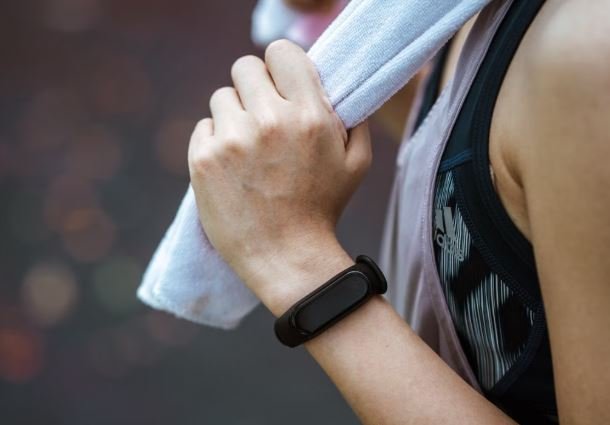
Smart wearables are transforming preventive healthcare by making it easier for people to keep track of their health and fitness beyond regular medical check-ups. Smartwatches, fitness bands and other connected devices can monitor everyday activities, heart rate, sleep patterns and selected health indicators, helping users become more aware of changes in their bodies.
Healthcare has traditionally focused on treating illnesses after symptoms appear. Technology is now helping shift attention towards prevention, encouraging people to understand their health patterns and make healthier lifestyle choices. This change is not only influencing personal fitness but also creating new possibilities for hospitals, healthcare providers, fitness companies and technology businesses.
How Smart Wearables Are Making Health Monitoring Easier
Modern wearable devices are designed to collect health and activity information throughout the day. Small sensors inside these devices measure movement, monitor heart rate and track other selected body signals. The information is then processed through mobile applications, allowing users to view their daily activity, sleep quality and fitness progress.
Depending on the device, common features include heart rate monitoring, blood oxygen estimates, sleep tracking, skin temperature monitoring and electrocardiogram (ECG) readings.
What makes this technology useful is the ability to observe patterns over time. Instead of relying only on occasional measurements, users can get a better understanding of their daily habits, physical activity and recovery.
For example, someone who regularly checks their sleep and activity records may notice that poor sleep affects their energy levels or workout performance. These insights can encourage small but meaningful changes in everyday routines.
Early Detection: Recognising Health Changes Before They Become Serious
One of the most promising roles of wearable technology is helping people recognise unusual changes in their health.
Some smartwatches can identify irregular heart rhythm patterns and alert users when further medical evaluation may be necessary. Certain devices also offer ECG features that can help detect signs of conditions such as atrial fibrillation.
Continuous glucose monitors are another important development, particularly for people managing diabetes. They provide regular glucose readings and help users understand how food, exercise and daily habits influence their glucose levels.
These technologies can support better awareness and timely medical consultation. However, a smartwatch or fitness tracker cannot replace a doctor’s examination or confirm every medical condition. Health alerts should be treated as useful information rather than a final diagnosis.
Personalised Fitness Is Changing the Way People Exercise
Fitness technology is moving beyond counting steps and recording workout duration. Many modern devices now combine activity tracking, sleep information and recovery estimates to give users a broader view of their physical performance.
This allows people to understand how consistently they exercise, whether they are getting enough rest and how their activity levels change over time.
For fitness enthusiasts, this information can help make workout routines more practical. Instead of following the same exercise schedule every day, users can consider their activity and recovery patterns when planning training and rest.
This development is also changing the fitness business. Gyms, personal trainers and wellness platforms can use wearable-supported insights, with customer consent, to offer more personalised programmes and maintain stronger relationships with clients.
Artificial Intelligence Is Giving Wearable Data More Meaning
Collecting health information is only one part of the process. Understanding what that information means is equally important. This is where artificial intelligence (AI) is becoming valuable.
AI-powered applications can analyse information collected by wearable sensors and identify patterns in activity, heart rate and sleep. They can turn large amounts of data into simple summaries and personalised suggestions, making health information easier for ordinary users to understand.
As the technology develops, predictive analytics may help identify changes that deserve attention and support earlier conversations with healthcare professionals.
For businesses, this creates opportunities beyond manufacturing smart devices. Companies can develop health applications, data analytics platforms and AI-powered wellness services that make wearable technology more useful in everyday life.
Supporting People Living With Long-Term Health Conditions
Wearable technology is also becoming relevant to people who need regular health monitoring.
Individuals managing diabetes, cardiovascular conditions and other long-term health concerns may benefit from connected devices that record selected health measurements between medical appointments. When this information is shared appropriately with healthcare professionals, it can provide a clearer picture of changes over time.
For healthcare providers, this creates an opportunity to strengthen patient engagement beyond hospital visits. Remote monitoring platforms can help doctors review relevant information, support follow-up consultations and maintain communication with patients.
The real value lies in combining technology with professional care. Devices can collect information, but medical decisions still require clinical knowledge and proper assessment.
Bringing Healthcare Closer Through Remote Monitoring
Smart wearables are gradually becoming part of a wider digital healthcare system. Their integration with telemedicine platforms and electronic health records can help connect patients at home with healthcare professionals.
For patients who require regular monitoring, connected devices may make it easier to share selected health information without visiting a hospital for every routine update. Healthcare providers can use these insights alongside consultations and other clinical information.
This approach can be particularly useful in chronic disease management, post-treatment follow-ups and home-based care. It also creates opportunities for healthcare organisations to develop remote patient monitoring services that complement traditional treatment.
However, successful adoption depends on reliable devices, secure data sharing, patient education and the involvement of medical professionals.
Business Opportunities in the Growing Wearable Health-Tech Industry
The growing use of smart wearables is creating opportunities across several areas of the technology and healthcare industries. The business potential extends beyond selling smartwatches and fitness bands. Software, connected services and healthcare partnerships are becoming important parts of this ecosystem.
- Wearable device manufacturing: Businesses can develop smartwatches, fitness bands, connected sensors and specialised monitoring devices. Product reliability, comfort and battery performance remain important.
- Health application development: Technology companies can create mobile applications that organise health information, track fitness progress and provide easy-to-understand insights.
- AI and data analytics: Startups can build platforms that analyse wearable data and turn it into useful reports for individuals, fitness providers and healthcare organisations.
- Remote patient monitoring: Health-tech businesses can develop connected platforms that allow patients to share selected health information with doctors and care teams.
- Fitness and wellness services: Gyms, trainers and wellness companies can introduce technology-supported fitness programmes and personalised coaching services.
- Corporate wellness programmes: Employers can explore voluntary fitness and wellbeing initiatives that encourage healthier habits while respecting employee privacy.
- Specialised medical devices: Businesses can focus on devices designed for specific monitoring needs, provided they meet the necessary clinical and regulatory requirements.
For startups and established companies, the opportunity is to build solutions that address real healthcare and fitness needs rather than simply adding more features to existing devices.
The Challenges Businesses Cannot Ignore
Despite growing interest, wearable health technology still faces important challenges.
Data accuracy remains a major concern because readings can vary depending on the device, sensor quality and conditions in which it is used. Consumers may also misunderstand health alerts or rely too heavily on information that is not intended for medical diagnosis.
Privacy is another important issue. Wearables collect personal health information, making data security, transparency and user consent essential for building trust.
Affordability and accessibility also matter. Advanced devices may remain expensive for many consumers, while older adults and people unfamiliar with digital technology may need additional support to use them effectively.
For businesses, addressing these concerns is not simply a technical requirement. It is central to customer confidence and long-term growth.
What the Future Holds for Smart Wearables
The next generation of wearable technology is likely to focus on better sensors, improved comfort and more meaningful health insights. Developments in flexible electronics and wearable biosensors are expanding research into monitoring additional physiological indicators, including glucose-related measurements and hydration.
AI will also play a larger role in interpreting health information. As devices become more connected, users may receive more personalised insights based on their activity, sleep and other available measurements.
The integration of wearables with telemedicine and home healthcare could further strengthen preventive health services. For businesses, this creates opportunities in medical technology, software development, remote monitoring and personalised wellness.
However, future growth will depend on more than technological innovation. Accuracy, affordability, privacy and meaningful collaboration with healthcare professionals will determine how widely these solutions are adopted.
Conclusion
Smart wearables are changing how people approach fitness and everyday healthcare. By making health information more accessible, they encourage individuals to pay closer attention to their activity, sleep and physical wellbeing. Their growing connection with AI and digital healthcare is also creating new ways for medical professionals to monitor patients and support preventive care.
For the business sector, this shift is opening opportunities across device manufacturing, software development, fitness services and remote patient monitoring. Companies that focus on practical solutions, reliable technology and consumer trust will have an important role in shaping this industry.
Ultimately, the biggest contribution of smart wearables may not be the number of measurements they record, but how effectively they help people make better health decisions and seek medical support when needed.
