
America’s construction industry is undergoing a major shift as sustainability moves from an environmental consideration to a business priority. Property developers, construction companies and investors are increasingly looking for ways to build more efficiently, reduce energy expenses and improve the long-term value of their properties. This changing approach is creating fresh opportunities across the US green building market, particularly for businesses offering sustainable materials, energy-efficient technologies and specialist construction services.
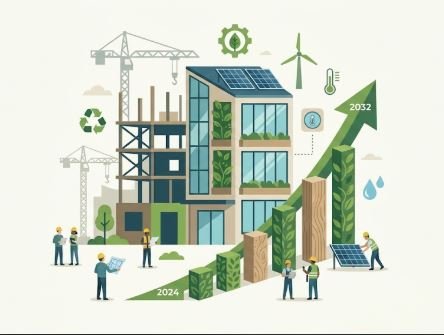
The US green building market is projected to grow from approximately $152.37 billion in 2024 to $331.54 billion by 2032, at an estimated annual growth rate of 10.13%. The expansion reflects rising demand for environmentally responsible buildings, growing corporate sustainability commitments and the need to improve the energy performance of existing infrastructure.
For international businesses, this development represents more than an opportunity to supply eco-friendly products. It opens the door to a wider commercial ecosystem involving construction materials, smart building systems, energy management, engineering consultancy, renovation and building maintenance.
US Green Building Market Growth Is Changing Construction Investment
Sustainable construction is increasingly influencing how American developers evaluate new projects. Energy consumption, material efficiency, water management and indoor environmental quality are becoming important considerations during the planning and procurement stages.
The commercial benefits are straightforward. Buildings that use less electricity and water can help owners manage operating expenses, while efficient ventilation, insulation and lighting systems can improve the experience of occupants. For investors and property operators, these improvements can contribute to better asset performance and stronger long-term competitiveness.
Green building certification systems such as LEED and Green Globes are also shaping purchasing decisions. They provide recognised frameworks for assessing environmental performance and help developers demonstrate their commitment to sustainable construction.
This creates a business advantage for suppliers, architects and contractors that understand certification requirements and can provide products or services that support compliance. Companies with the technical expertise to help developers meet sustainability targets may find opportunities across commercial offices, residential projects, healthcare facilities, educational institutions and industrial properties.
Sustainable Building Materials Create Opportunities for Manufacturers
The demand for sustainable construction materials is creating one of the most commercially attractive segments of the green building industry. Developers are increasingly considering alternatives that reduce environmental impact while maintaining the strength, safety and durability required for modern construction.
Low-carbon cement, recycled-content steel, energy-efficient glass, high-performance insulation, reclaimed timber and sustainable flooring are gaining attention among construction buyers. These products allow manufacturers to respond to changing procurement requirements while developing new revenue opportunities.
The US green building materials market generated an estimated $176.55 billion in revenue in 2025 and is projected to reach approximately $352.93 billion by 2033, according to a separate market estimate. Insulation is identified as a particularly fast-growing application, highlighting the importance of materials that improve building energy performance.
For global manufacturers, the opportunity extends beyond exporting finished products. Companies can explore distribution partnerships, local manufacturing arrangements, technology licensing and supply agreements with American construction firms.
However, entering the US market requires more than offering an environmentally friendly product. Buyers expect consistent quality, competitive pricing, product testing, reliable delivery and documentation supporting environmental and technical claims. Manufacturers that combine sustainability with dependable performance will have a stronger opportunity to build lasting business relationships.
Energy-Efficient Building Technology Is Opening New Revenue Streams
Technology is becoming an essential part of sustainable construction. Modern buildings increasingly require intelligent systems that can monitor energy consumption, manage indoor temperatures and reduce unnecessary electricity use.
This is creating opportunities for companies specialising in smart meters, Internet of Things sensors, automated heating, ventilation and air-conditioning systems, intelligent lighting and building-management software.
For property owners, these technologies can provide better control over operating expenses. Instead of relying on manual monitoring, facility managers can use real-time data to identify inefficient equipment, adjust energy consumption and respond to maintenance requirements.
Building Information Modelling and digital energy simulation are also becoming valuable tools for architects, engineers and developers. These technologies help project teams evaluate building designs, estimate energy requirements and identify potential construction problems before work begins.
Technology companies that can offer practical, easy-to-integrate and cost-effective solutions may find opportunities among commercial property developers, industrial operators and facility-management businesses. The strongest commercial proposition will be technology that demonstrates measurable improvements rather than simply adding digital features to a building.
Green Building Retrofits Offer Long-Term Business Potential
New sustainable buildings are only one part of the opportunity. Upgrading existing properties is becoming equally important as American businesses look for ways to improve building efficiency without undertaking complete redevelopment.
Older offices, factories, warehouses, hotels and residential complexes may require improvements to insulation, windows, roofing, lighting and heating and cooling systems. These projects create demand for renovation contractors, energy auditors, equipment manufacturers and specialist engineering companies.
For construction businesses, retrofitting can provide a recurring source of revenue through assessments, installation projects, equipment upgrades and ongoing maintenance contracts.
Service providers can specialise in energy audits, efficient HVAC systems, cool roofs, high-performance windows, building-envelope improvements and smart energy controls. Businesses that can show property owners how proposed upgrades may reduce utility expenses and improve building performance will be better positioned to secure contracts.
There is also an opportunity for international suppliers to work with local contractors and distributors that already serve the renovation market. Such partnerships can provide access to established customers while reducing some of the challenges associated with entering a new market.
Engineering and Green Building Consultancy Gain Commercial Importance
As sustainable construction projects become more complex, demand is increasing for professional services that combine technical expertise with knowledge of environmental standards.
Architectural firms, engineering consultants and project-management companies can explore opportunities in energy modelling, passive building design, climate-resilient construction, renewable-energy integration, water conservation and sustainability assessments.
Developers also need support in selecting materials, evaluating project performance and meeting relevant certification requirements. This creates opportunities for specialist consultancies that can guide projects from initial planning through construction and building operations.
International firms with experience in sustainable infrastructure and energy-efficient design can explore the US market through joint ventures, technical partnerships and project-specific consulting assignments. Working with local professionals can help overseas companies understand state-level requirements, construction practices and client expectations.
For smaller engineering and design businesses, specialising in a particular service may be more practical than competing across the entire construction market. Expertise in building energy assessments, sustainable interiors or low-carbon material selection can help establish a distinct position.
How Global Businesses Can Enter America’s Green Construction Market
Although the US green building market offers significant growth potential, international companies must approach it with a clear understanding of commercial and regulatory requirements.
Product standards, safety testing, building codes, certification procedures and procurement expectations can differ from those in other countries. Manufacturers should assess these requirements before investing in exports or local operations.
Pricing is another important consideration. Developers may support sustainability objectives, but they must also manage construction budgets and project timelines. A product that carries a higher initial cost needs to demonstrate its value through durability, lower energy consumption, reduced maintenance or other measurable benefits.
Reliable distribution and after-sales support are equally important. American buyers often prefer suppliers that can maintain product availability, provide technical assistance and respond quickly to project requirements. Building relationships with contractors, architects, distributors and property developers can therefore be as important as product innovation.
Businesses should also pay attention to the growing importance of credible environmental information. Clear documentation of product composition, energy performance, recycled content and environmental impact can help strengthen buyer confidence and distinguish genuine sustainable solutions from products relying mainly on green marketing claims.
The Business Outlook for America’s Sustainable Construction Industry
America’s green building market is creating opportunities across several connected industries. Manufacturers can supply sustainable materials, technology companies can improve building efficiency, contractors can specialise in retrofits, and engineering firms can provide the expertise required to deliver environmentally responsible projects.
The most promising opportunities are likely to come from solutions that address practical business needs. Property owners want to control operating expenses, developers need reliable materials, contractors seek efficient construction methods and investors increasingly consider the long-term performance of buildings.
For global businesses, success will depend on understanding these priorities and offering products or services that deliver measurable commercial value. Companies that combine technical innovation, competitive pricing, regulatory knowledge and reliable local partnerships can build a stronger position in the American market.
As sustainability becomes more closely connected with construction economics and property performance, green building is developing into a significant business opportunity. The companies best placed to benefit will be those that treat sustainable construction not simply as an environmental commitment, but as a market built around efficiency, innovation and long-term value.
