

Artificial Intelligence (AI) has become a powerful force reshaping healthcare in 2026. It refers to computer systems designed to simulate human intelligence through learning, reasoning, and pattern recognition. In healthcare, AI is no longer just an emerging technology—it is actively improving diagnosis, treatment, patient care, and hospital operations, leading to more efficient and personalized medical services.
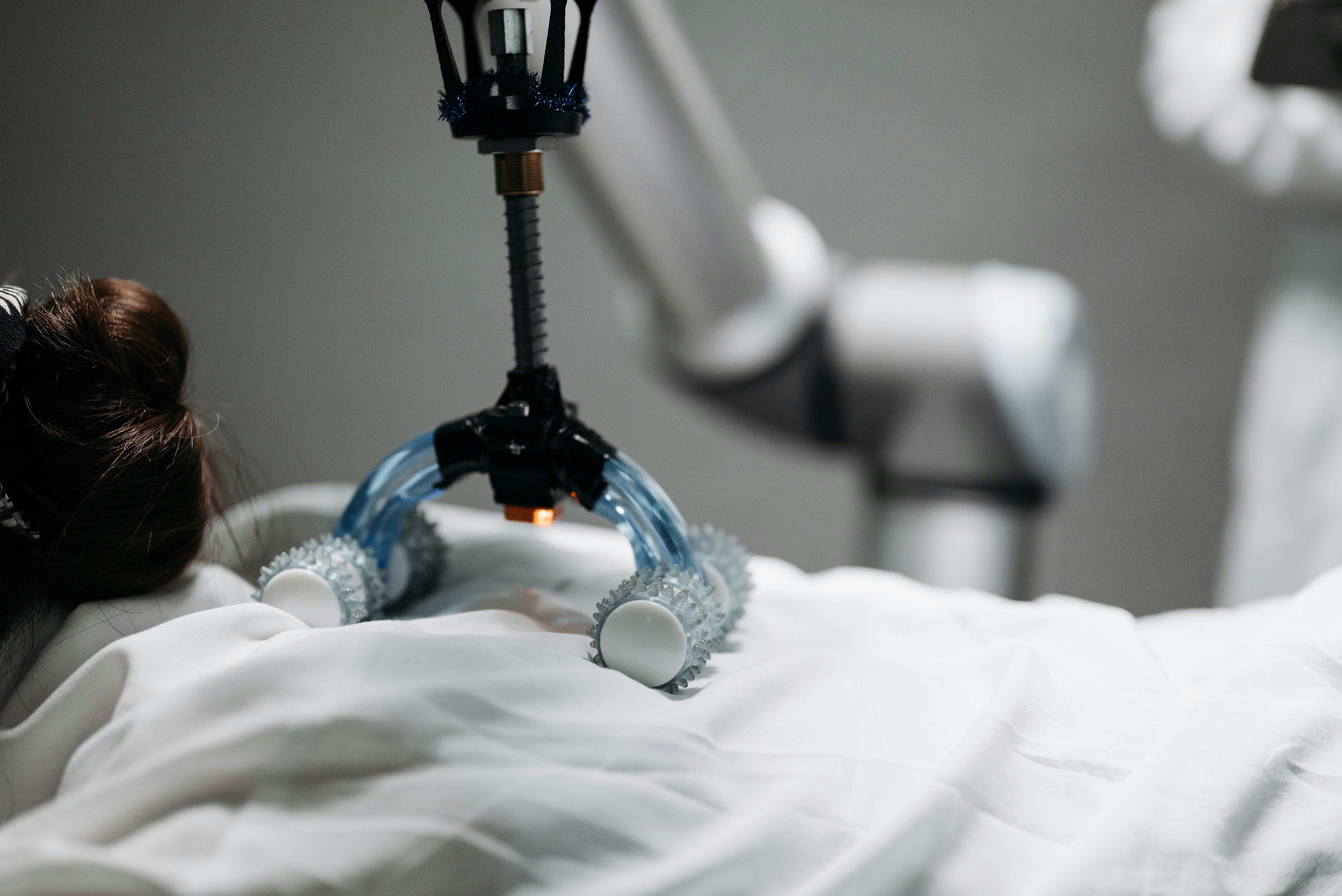
How AI is Transforming Healthcare
AI is being widely used to analyze large volumes of medical data quickly and accurately. This includes patient records, lab results, imaging scans, and genetic information. By identifying patterns that may not be visible to the human eye, AI supports faster and more accurate clinical decision-making. It also plays a key role in predictive analytics, helping doctors identify potential health risks early and prevent complications through timely intervention.
AI in Diagnosis and Treatment
One of the most impactful applications of AI is in medical diagnosis. Advanced algorithms can analyze X-rays, CT scans, and MRIs to detect diseases such as cancer, heart conditions, and neurological disorders with high accuracy. In many cases, AI tools assist doctors by highlighting abnormalities, reducing the chances of missed diagnoses.
AI also supports personalized treatment planning. By analyzing a patient’s medical history, genetics, and lifestyle factors, AI systems can suggest tailored treatment options. This reduces trial-and-error approaches and improves recovery outcomes.
Enhancing Patient Care and Monitoring
AI is making healthcare more patient-centered through remote monitoring tools and wearable devices. These technologies track vital signs in real time and send updates to healthcare providers, allowing early intervention when needed. Virtual assistants and chatbots also help patients with appointment scheduling, medication reminders, and basic health queries, improving access to care and reducing hospital workload.
Improving Hospital Efficiency and Reducing Costs
Hospitals and healthcare systems are using AI to streamline administrative tasks such as scheduling, billing, and patient record management. Automation reduces paperwork, minimizes human error, and improves efficiency.
AI also supports supply chain management by predicting demand for medicines and medical equipment, helping hospitals avoid shortages or overstocking. These improvements reduce operational costs and allow healthcare providers to focus more on patient care.
Ethical Challenges in AI Healthcare
Despite its benefits, AI in healthcare raises important ethical concerns. Data privacy is a major issue, as medical information must be protected from misuse. Another challenge is algorithmic bias, where AI systems may produce unfair results if trained on unbalanced datasets, potentially affecting certain populations more than others.
To address these concerns, strong regulations, transparency, and continuous monitoring of AI systems are essential. Ensuring fairness, accountability, and patient safety remains a priority as AI continues to expand in healthcare.
Impact on Healthcare Professionals
AI is changing the role of healthcare workers rather than replacing them. Many routine tasks are being automated, allowing professionals to focus more on patient interaction, critical thinking, and complex decision-making. At the same time, new roles are emerging in AI system management, data analysis, and digital health oversight.
This shift highlights the importance of AI literacy and ongoing training for medical staff to effectively work alongside intelligent systems.
Future of AI in Healthcare
The future of healthcare is expected to become even more personalized and data-driven. AI will continue to advance precision medicine by tailoring treatments to individual genetic profiles and health conditions. Stronger ethical frameworks and regulatory systems will also evolve to ensure safe and responsible use of AI technologies.
As AI continues to develop, collaboration between medical experts, technologists, and policymakers will be essential to ensure that innovation leads to better, safer, and more accessible healthcare for all.
Conclusion
Artificial Intelligence is fundamentally transforming healthcare by improving diagnosis, enhancing patient care, increasing efficiency, and enabling personalized treatment. While challenges such as privacy, bias, and regulation must be addressed, the overall impact of AI is highly positive. With responsible use and continuous development, AI is set to create a smarter, more efficient, and patient-focused healthcare system in the years ahead.
