
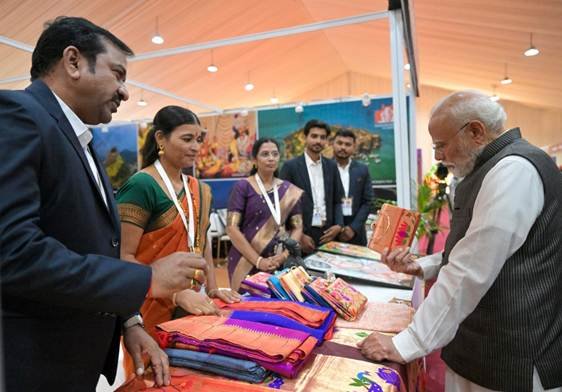
Nov 12: From traditional art and folk performances to regional cuisine and local products, the festival at Ekta Nagar is creating a national platform for India’s diverse cultural traditions.
India’s cultural diversity is taking centre stage at Ekta Nagar in Gujarat, where Bharat Parv 2026 is bringing together artisans, performers, traditional food producers and regional exhibitors from across the country. The festival offers visitors an opportunity to experience India’s many cultural traditions in one place while giving regional crafts and locally made products a wider platform.
Inaugurated by Prime Minister Narendra Modi on 30 October as part of the Rashtriya Ekta Diwas celebrations, the festival is being organised by the Ministry of Tourism in partnership with Gujarat Tourism, with support from States and Union Territories. Running until 15 November 2026, the event is being held under the theme ‘Ek Bharat Shreshtha Bharat’.
The festival features traditional handicrafts, textiles, folk art, music, dance, regional cuisines and live craft demonstrations. Its wider purpose is to celebrate the country’s cultural identity while connecting local traditions and creators with audiences from different parts of India.
Regional products and traditional crafts take the spotlight
A key attraction is the Theme Pavilion, which brings together 29 States and Union Territories, Incredible India and Central Cottage Industries. It showcases more than 100 One District One Product (ODOP) items, alongside traditional handicrafts, textiles, paintings and agricultural products.
The displays highlight the distinctive skills and local specialities associated with different regions. By presenting these products at a national event, Bharat Parv gives visitors a closer look at the craftsmanship behind locally made goods and the communities that continue to preserve these traditions.
The ODOP showcase also provides an opportunity to increase awareness of regional products and encourage appreciation of traditional skills. For artisans and craftspeople, such platforms can help bring their work to new audiences and strengthen the visibility of indigenous products.
The Incredible India pavilion adds another dimension to the experience, using digital presentations to highlight India’s heritage, festivals and cultural attractions.
Live demonstrations keep indigenous art forms alive
Visitors can also watch traditional artisans demonstrate their craft, offering a closer understanding of the techniques and knowledge passed down through generations.
The demonstrations include mask-making from Assam, Madhubani painting and Sikki craft from Bihar, Rogan art and traditional paintings from Gujarat, bamboo art from Chhattisgarh and coir-product making from Kerala. Odisha’s Pattachitra painting and silver filigree are also featured, alongside Aipan painting and Ringaal basket weaving from Uttarakhand and Sozni art from Jammu and Kashmir.
These live sessions make traditional craftsmanship more accessible to visitors. They also place the artisans themselves at the centre of the experience, allowing audiences to see the skill, patience and creative processes involved in producing indigenous art and handicrafts.
Folk music and dance reflect India’s cultural diversity
The cultural programme brings together folk and classical performances from several regions. Visitors can experience Kuchipudi from Andhra Pradesh, Bihu from Assam, Garba from Gujarat and traditional folk performances from Haryana.
The programme also includes Tholpavakoothu from Kerala, Ravanhatta instrumental music from Rajasthan, traditional dance forms from Tamil Nadu and Santoor performances from Jammu and Kashmir. Baul folk music and Purulia Chhau from West Bengal further add to the range of regional traditions on display.
Together, these performances create a lively presentation of India’s musical and artistic heritage, showing how different regions express their identities through distinctive forms of dance, music and storytelling.
Regional food adds another layer to the celebration
Food is another major part of Bharat Parv 2026. The festival’s Food Court features regional cuisines and traditional delicacies from 23 States and Union Territories, giving visitors the chance to explore India’s varied culinary traditions.
A specially curated Studio Kitchen, managed by the National Council for Hotel Management and Catering Technology (NCHMCT), hosts demonstrations of regional cooking practices and traditional food preparation techniques.
The Food Court also features daily cultural performances from 5:00 PM to 8:00 PM, with artists from 10 States performing each day. The combination of food, music and dance creates a shared cultural experience for visitors.
A platform for cultural exchange and local talent
Beyond its exhibitions and performances, Bharat Parv provides a common space for regional products, traditional art forms and performing artists to reach a wider audience. It brings together cultural practitioners from different parts of the country and encourages visitors to engage with traditions that may be unfamiliar to them.
The festival also draws attention to the value of preserving indigenous craftsmanship and supporting the people who keep these art forms alive. By bringing regional products, artisans, culinary traditions and cultural performances together, it presents India’s diversity as a shared national strength.
As Bharat Parv continues at Ekta Nagar until 15 November, it offers a reminder that India’s cultural heritage is not limited to monuments and historical sites. It also lives through its craftspeople, artists, regional cuisines and everyday traditions—each contributing to the country’s wider cultural identity
