
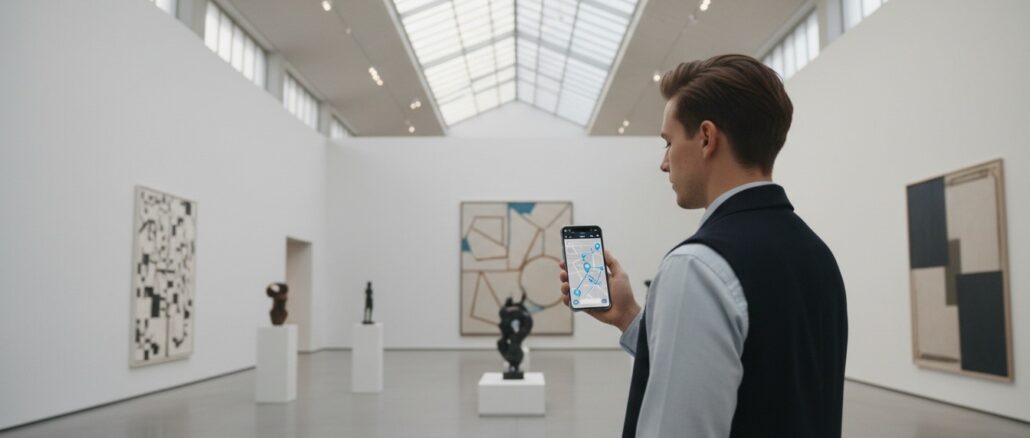

Navigating sprawling indoor spaces—whether it’s a bustling shopping mall, a complex airport terminal, or a multi-floor museum—can be overwhelming. Visitors frequently find themselves wandering aimlessly, frustrated by confusing signage and wasting precious time searching for their destinations. This common challenge affects millions of people daily, diminishing what should be enjoyable or efficient experiences. Enter indoor mapping technology: an innovative solution that’s revolutionizing how people interact with interior environments. This cutting-edge approach doesn’t just help visitors find their way; it fundamentally transforms their entire experience, making navigation intuitive, personalized, and genuinely engaging.
What is Indoor Mapping Technology?
Indoor mapping technology represents a sophisticated evolution in spatial navigation, specifically designed for interior environments where traditional GPS signals struggle to penetrate. Unlike outdoor GPS that relies on satellite connections, indoor positioning systems utilize a combination of technologies including Bluetooth beacons, WiFi triangulation, sensors, and augmented reality to pinpoint exact locations within buildings.
The system works by creating detailed digital floor plans that interact with positioning hardware installed throughout a venue. When visitors use their smartphones or dedicated devices, the application communicates with these installed components to determine their precise location, often accurate to within a few meters. Modern implementations feature intuitive user interfaces accessible through mobile applications that seamlessly integrate with existing building infrastructures. This technology doesn’t require massive structural changes—it adapts to current layouts while delivering powerful navigation capabilities that were previously impossible indoors.
Enhanced Navigation and Wayfinding
The most immediate transformation indoor mapping brings is superior navigation. Turn-by-turn directions guide visitors precisely from their current position to any desired destination, similar to how car navigation works outdoors. This eliminates the confusion and stress associated with deciphering complex building layouts. Visitors no longer need to study directory boards or ask staff for directions repeatedly—they simply follow clear visual guidance on their devices.
Multi-floor navigation addresses one of indoor spaces’ most challenging aspects: vertical movement. The technology seamlessly guides people through buildings with multiple levels, clearly indicating when to use elevators, stairs, or escalators. Advanced systems provide 3D visualizations of routes, helping visitors understand their journey before they begin and maintaining orientation throughout their movement between floors.
Accessibility features represent another crucial advancement. Indoor mapping platforms can generate routes specifically designed for wheelchair users, avoiding stairs and highlighting accessible entrances and facilities. Options for visually impaired visitors include voice guidance, while hearing-impaired guests benefit from visual alerts and information displays. This inclusive approach ensures everyone enjoys equal access to spaces, transforming venues into truly welcoming environments.
Personalized Visitor Experiences
Indoor mapping technology excels at customization. Rather than offering one-size-fits-all directions, modern systems analyze visitor preferences and deliver tailored recommendations. A museum visitor interested in Renaissance art receives a completely different suggested route than someone passionate about contemporary sculpture. This personalization transforms generic visits into unique, meaningful experiences aligned with individual interests.
Language and cultural adaptation further enhances accessibility. International visitors interact with interfaces in their native languages, with content adjusted to respect cultural contexts. This eliminates linguistic barriers that historically frustrated non-native speakers, making venues genuinely global in their welcome.
Time-saving route optimization represents another personalization dimension. Systems calculate the most efficient paths based on visitor priorities—whether maximizing the number of stops within limited time or creating leisurely routes with comfortable pacing. Algorithms identify congested areas and suggest alternatives, ensuring visitors spend time experiencing destinations rather than waiting in crowded corridors.
Real-Time Information and Updates
Static maps become obsolete with indoor mapping’s dynamic capabilities. Live crowd management features visualize current occupancy levels across different zones, allowing visitors to avoid packed areas and discover quieter alternatives. This intelligent redistribution of foot traffic enhances comfort for everyone while maximizing venue capacity utilization.
Dynamic updates keep visitors informed about changing conditions. If an exhibition hall closes unexpectedly or an event time shifts, the system immediately alerts affected visitors and suggests alternatives. These push notifications deliver relevant, timely information without overwhelming users with unnecessary alerts.
Wait time information transforms planning. Visitors see estimated queuing times for popular attractions, restaurants, or services before arriving, enabling informed decisions about when to visit specific locations. This transparency reduces frustration and empowers visitors to structure their time optimally.
Interactive and Engaging Features
Augmented reality integration elevates indoor mapping from purely functional to genuinely engaging. Pointing a device’s camera at physical spaces overlays digital information, historical context, or interactive elements onto the real-world view. This creates immersive experiences that blend physical and digital realms, making exploration feel like an adventure rather than simply getting from point A to point B.
Points of interest discovery highlights attractions visitors might otherwise miss. Rich multimedia content—photos, videos, audio guides—provides context and storytelling that deepens engagement. Instead of rushing past potentially fascinating locations, visitors discover hidden gems and appreciate spaces more fully.
Social sharing capabilities acknowledge that many visits are communal experiences. Families and friend groups coordinate through shared routes, ensuring everyone reaches meeting points efficiently. Visitors create digital memories of their journeys, sharing favorite discoveries on social platforms and extending venue marketing reach organically.
Benefits for Different Venues
Shopping malls leverage indoor mapping to drive retail performance. Shoppers locate specific stores instantly, while retailers push geo-targeted promotions when visitors pass nearby. This precision marketing improves conversion rates while enhancing shopper convenience—a genuine win-win scenario.
Airports and transportation hubs address traveler stress through reliable guidance. Passengers navigate confidently to gates, find amenities quickly, and manage tight connections with reduced anxiety. Companies like Visioglobe specialize in creating these sophisticated navigation solutions for complex transportation environments.
Museums and cultural institutions craft thematic pathways through collections, allowing visitors to follow curated narratives rather than wandering randomly. This structured yet flexible approach increases engagement with exhibitions and deepens cultural understanding.
Hospitals transform patient experiences by reducing anxiety associated with navigating unfamiliar medical facilities. Clear directions to departments, clinics, and services improve operational efficiency while supporting patients during potentially stressful visits.
Convention centers manage the complexity of temporary layouts during events. Attendees plan schedules, locate specific booths or sessions, and facilitate networking by finding colleagues within vast spaces.
Data-Driven Insights for Venue Operators
Beyond visitor benefits, indoor mapping generates valuable analytics. Venue operators gain unprecedented visibility into movement patterns, identifying high-traffic zones and underutilized areas. These insights inform layout optimization, staffing allocation, and strategic planning.
Performance metrics measure technology impact through engagement rates, user satisfaction scores, and return on investment calculations. Operators justify continued investment with concrete data demonstrating improved visitor experiences and operational efficiencies.
Continuous improvement becomes data-driven rather than speculative. Real-time information enables immediate adjustments to signage, staffing, or layout, while long-term trends guide major renovations and strategic decisions.
Implementation Considerations
Adopting indoor mapping requires thoughtful planning. Initial infrastructure investments vary based on venue size and complexity, but long-term benefits typically justify costs through improved visitor satisfaction, increased dwell time, and enhanced operational efficiency.
Technical requirements include installing positioning hardware, developing or customizing software applications, and ensuring ongoing maintenance. Reliable technical support proves essential for addressing issues quickly and keeping systems current with technological advances.
User adoption strategies determine success rates. Staff training ensures employees can assist visitors with the technology, while clear communication and intuitive design encourage spontaneous adoption. Some venues offer incentives—discounts, exclusive content, or gamified challenges—to motivate initial usage and build habits.
Indoor mapping technology represents far more than digital floor plans on smartphones. It fundamentally reimagines how people experience interior spaces, transforming confusion into confidence, frustration into delight, and generic visits into personalized journeys. As venues increasingly recognize these transformative benefits, indoor mapping shifts from competitive advantage to essential infrastructure for any organization serious about delivering exceptional visitor experiences in our increasingly digital world.
Fuente de las imágenes: Générée par IA