
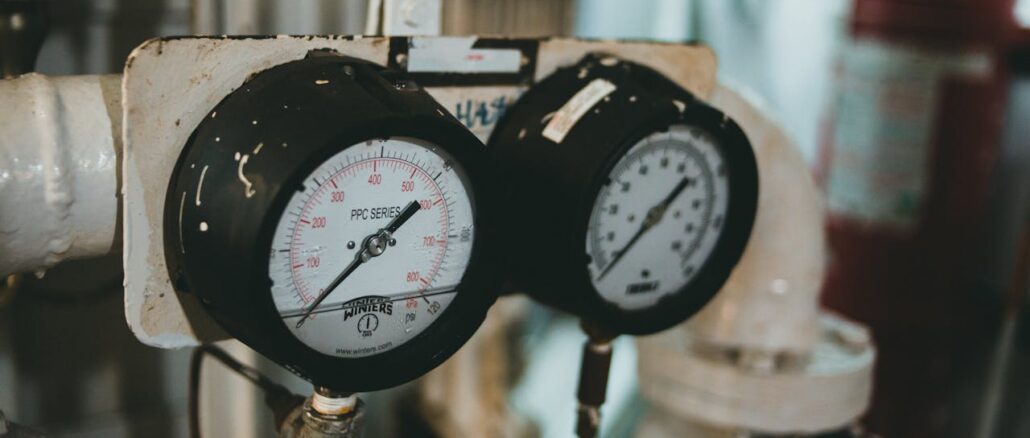

Pressure management is a daily challenge for engineers who transport crude oil, natural gas, and refined products through long networks of steel. Excessive internal pressure can deform pipe walls, accelerate corrosion, and trigger catastrophic ruptures that threaten worker safety, the environment, and company finances.
Because pressure excursions usually develop from a chain of small oversights rather than a single mistake, operators need a multilayered strategy that catches anomalies early and responds in real time. The most effective programs blend technology, disciplined work processes, and continuous training so that minor variances never escalate into dangerous spikes.
Proactive Monitoring With Smart Sensors
The first line of defense is a dense web of pressure, temperature, and flow sensors that transmit live data to a central control room. Advanced analytics flag subtle deviations from established operating envelopes, allowing technicians to intervene before thresholds are breached. A modern pipeline control center compares readings across adjacent segments, pumps, and valves, looking for signs of wax deposition, gas pocket formation, or unexpected shut-in events upstream.
Operators reference a pipeline inspection checklist during routine patrols to verify that instruments are calibrated, transmitters are free of moisture ingress, and communication links remain uncompromised by lightning or rodent damage. When every measuring device is reliable, trend models can predict pressure build-up hours or even days in advance, buying valuable time for corrective action.
Rigorous Maintenance Schedules and Pigging Operations
Even the most sophisticated sensing network is only as good as the mechanical condition of the pipe itself. Internal corrosion, scale, and paraffin accumulation gradually reduce effective diameter, increasing friction and static pressure. Regular cleaning pig runs scour the bore, while intelligent pigs map wall thickness and ovality so that engineers can prioritize repair campaigns long before safety margins evaporate.
External threats such as soil movement, frost heave, or accidental third-party strikes are mitigated through cathodic protection current checks and right-of-way surveillance flights. By embedding maintenance tasks in a strict calendar, companies avoid the temptation to defer non-critical work that could later magnify into an urgent integrity crisis.
Intelligent Pressure Control and Surge Relief Devices
Dynamic operating conditions—pump startups, emergency shutdowns, and batch product interfaces—can create rapid pressure transients that travel faster than sound down the line. Surge relief valves, pressure-reducing stations, and automatic line break valves act as safety nets, venting or isolating flow within milliseconds when set-points are exceeded.
Variable-speed drives on mainline pumps soften ramp-up profiles, while sophisticated control algorithms coordinate multiple stations so that no single unit inadvertently overpressurizes a downstream segment. Where terrain undulates sharply, strategically placed pressure-letdown valves equalize elevation-induced pressure differentials, maintaining a consistent envelope from inlet to delivery point.
Training and Emergency Response Readiness
Technology and hardware mean little without a workforce that understands them deeply. Control room personnel rehearse simulated high-pressure scenarios, so muscle memory guides them when seconds count. Field crews practice isolating segments, deploying portable surge tanks, and communicating across disciplines under incident-command protocols.
Lessons learned from near-misses are captured in post-event reviews and folded back into standard operating procedures. By fostering a culture that treats every anomaly as a teachable moment rather than a statistic, companies keep complacency at bay and ensure that pressure control remains a shared responsibility from the boardroom to the right-of-way.
Conclusion
Preventing pressure build-up is not a single device or software package; it is an integrated system that combines continuous monitoring, disciplined maintenance, engineered safeguards, and relentless human vigilance. When operators invest in each layer and keep them working in concert, pressure remains a controlled variable instead of an unpredictable threat, protecting people, profits, and the environment with equal rigor.