
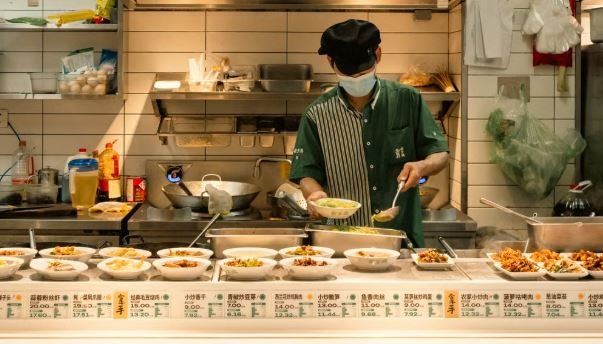
India’s cloud kitchen market is growing as more consumers turn to online food delivery for convenient and affordable meals. Changing food habits, rising smartphone usage and the expansion of digital ordering platforms are creating new opportunities for entrepreneurs and food businesses. The cloud kitchen business model allows operators to prepare and deliver food without maintaining a traditional dine-in restaurant, making it an attractive option for those looking to enter India’s expanding food service industry. However, the real challenge is not simply attracting orders but building a business that can generate consistent profits.
The market is estimated to be worth around USD 1.13 billion to USD 1.24 billion, with projections indicating further growth over the coming years. This expansion reflects the increasing role of online food delivery in urban consumption and the growing demand for different cuisines, quick meals and convenient dining options.
Cloud Kitchens Are Changing the Food Business
Traditional restaurants require investment in dining space, interiors, front-of-house employees and prime commercial locations. Cloud kitchens follow a different approach by focusing entirely on food preparation and delivery.
This model can reduce initial investment and allow entrepreneurs to use their resources more efficiently. Businesses can operate from smaller kitchen facilities, introduce specialised menus and serve customers across different neighbourhoods through online ordering platforms.
Another advantage is the ability to operate multiple food brands from one kitchen. For example, a single facility can prepare different cuisines or offer separate menus for breakfast, lunch, snacks and dinner. This can improve the use of equipment and kitchen space, provided operations are properly managed.
For entrepreneurs, the opportunity lies in identifying customer preferences and developing a focused food business rather than trying to serve every market segment.
Market Growth Is Creating Opportunities for Entrepreneurs
The expansion of India’s cloud kitchen market is opening opportunities for both new entrepreneurs and established food businesses. Consumers are increasingly looking for convenient meals, affordable food options and a wider choice of cuisines.
This creates room for businesses specialising in regional dishes, everyday meals, healthy food, office lunches and customised menus. Smaller operators can also build a customer base by focusing on specific neighbourhoods and understanding local food preferences.
A clear business identity and consistent food quality can help a cloud kitchen stand out in a competitive market. Rather than offering an unnecessarily large menu, operators can focus on dishes that customers regularly order and that can be prepared efficiently.
Cloud Kitchen Profitability Depends on Cost Management
One of the biggest attractions of the cloud kitchen business model is its relatively lower setup cost compared with traditional restaurants. Businesses can save on dining areas, expensive interiors and some front-of-house expenses.
However, lower investment does not automatically mean higher profits. Operators still need to manage ingredient costs, employee salaries, kitchen rent, electricity, packaging, marketing and delivery-related expenses.
Food delivery platform commissions and promotional discounts can also reduce earnings. A business may receive a high number of orders but still struggle to generate profits if its operating costs are not controlled.
This makes unit economics particularly important. Operators need to understand how much they earn from each order after accounting for food preparation, packaging, commissions and other expenses. Sustainable growth depends on improving the profitability of individual orders, not just increasing sales.
Dependence on Food Delivery Platforms Can Affect Margins
Online food delivery platforms provide cloud kitchens with access to customers, digital ordering facilities and established delivery networks. They also help new businesses gain visibility without having to develop their own delivery infrastructure.
However, relying heavily on third-party platforms can create financial pressure. Commission charges, advertising expenses and discounts may reduce the revenue retained from every order. Businesses may also find it difficult to build direct relationships with their customers.
A balanced approach can help. Operators can use delivery platforms to attract new customers while gradually developing direct ordering channels, loyalty programmes and customer engagement strategies.
Building repeat business is especially important because attracting new customers continuously can increase marketing costs. Consistent food quality, reliable delivery and reasonable pricing can encourage customers to order again.
Operational Efficiency Is Essential for Business Growth
Running a cloud kitchen requires strong operational management. Food quality must remain consistent, orders need to be prepared on time and packaging must protect meals during delivery.
Inventory management also plays an important role in controlling costs. Excess stock can lead to food wastage, while poor demand forecasting may result in shortages during busy periods.
Businesses operating multiple menus from one kitchen need to coordinate ingredients, employees and preparation schedules carefully. Without proper planning, the expected cost advantages of a shared kitchen can disappear.
Technology can support better management through inventory tracking, order management, sales analysis and demand forecasting. Standardised recipes, employee training and regular quality checks are equally important, particularly when a business plans to expand into multiple locations.
Competition Is Making Customer Retention More Important
The relatively accessible setup of cloud kitchens has encouraged more entrepreneurs to enter the market. As a result, competition is increasing, particularly in major urban centres.
Frequent discounts may attract customers initially, but they do not necessarily create long-term loyalty. Businesses that depend only on promotional offers can find it difficult to maintain healthy margins.
Customer retention should therefore be a key business priority. Consistent taste, dependable delivery, good packaging and responsive service can help build trust.
A focused menu and clear positioning can also make a difference. Businesses that understand their target customers and offer something distinctive are better placed to develop a recognisable identity in a crowded food delivery market.
Licences and Food Safety Compliance for Cloud Kitchens in India
Starting a cloud kitchen in India requires businesses to meet relevant food safety and regulatory requirements. Depending on the nature and scale of operations, these may include an appropriate Food Safety and Standards Authority of India (FSSAI) registration or licence, GST registration where applicable, municipal permissions, Shops and Establishments registration and relevant fire and safety clearances.
Food safety should remain a priority throughout the business. Proper ingredient storage, kitchen hygiene, employee training and regular quality checks help protect customers and maintain confidence.
As operations expand, maintaining consistent standards across different kitchens becomes more challenging. Clear procedures and regular monitoring can help businesses manage compliance and reduce operational risks.
New Business Opportunities in the Cloud Kitchen Industry
The next phase of India’s cloud kitchen market could create opportunities in several areas. Regional food businesses can introduce local cuisines to wider audiences, while meal subscription services can target working professionals and households seeking convenient everyday food.
There may also be opportunities in corporate meal programmes, office catering and institutional food services. These channels can help cloud kitchen operators diversify their revenue and reduce dependence on individual online orders.
Health-focused meals, specialised menus and affordable food options may also attract customers as businesses respond to changing consumption patterns.
For entrepreneurs and investors, the focus should be on the strength of the business model. Order volume is important, but repeat purchases, kitchen utilisation, customer acquisition costs, food wastage and operating margins provide a clearer picture of long-term potential.
Profitable Growth Will Shape the Future of India’s Cloud Kitchen Market
India’s cloud kitchen market offers significant opportunities as online food ordering becomes a regular part of consumer life. However, market expansion alone cannot guarantee business success.
Operators need to balance growth with cost control, improve kitchen productivity and build lasting customer relationships. Businesses that focus only on increasing order volumes or offering discounts may struggle to maintain profitability.
Cloud kitchens are becoming more than a low-investment alternative to traditional restaurants. They are evolving into organised, delivery-focused food businesses that require careful financial planning, efficient operations and a clear understanding of customer demand.
Ultimately, long-term success will depend on the ability to turn growing food delivery demand into a sustainable business with consistent quality, loyal customers and healthy operating margins.
