

Lumami, Nagaland May 18 : A Nagaland University study has documented the rich yet rapidly declining ethno-medicinal knowledge of Sonowal Kachari tribe of Assam, highlighting its potential to transform affordable healthcare and future drug discovery.
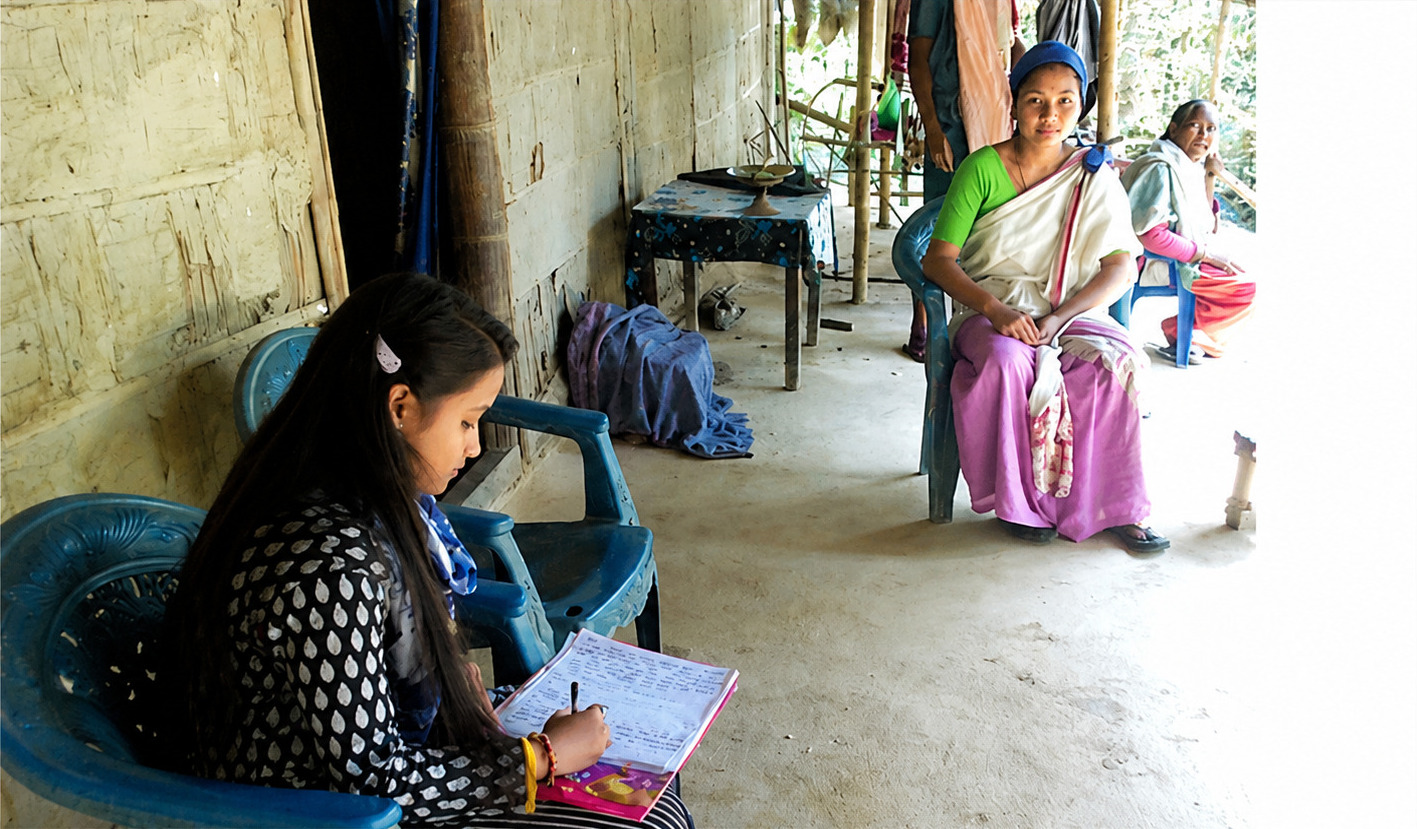
Focusing on 39 medicinal plant species and their applications, the study systematically records traditional herbal practices that have long been passed down orally within the Sonowal Kachari tribe. By engaging 180 elderly knowledge holders, the research captures a detailed and quantitative understanding of plant-based treatments used to manage a range of ailments.
One of the key findings of the study is the continued relevance of herbal medicine as a low-cost, accessible healthcare solution, particularly in rural and resource-constrained settings. The research also reveals a dual reliance among the community on both traditional remedies and allopathic medicine, pointing to opportunities for integrative healthcare models that combine the strengths of both systems.
The study highlights that many of the documented plant-based remedies are already used to treat common conditions such as fever, respiratory ailments, kidney stones, and skin disorders, indicating strong therapeutic relevance for primary healthcare systems. This reinforces the potential for developing validated, plant-derived formulations that can complement modern medicine, particularly in underserved regions where access to affordable treatment remains a challenge.
Highlighting the need for Indian academia to focus on indigenous and native healthcare solutions, Prof. Jagadish Kumar Patnaik, Vice-Chancellor, Nagaland University, said,
“Nagaland University’s study documenting Sonowal Kachari herbal knowledge highlights the immense value of indigenous wisdom in advancing low-cost healthcare and future drug discovery. The research reinforces that traditional herbal medicine remains an accessible, affordable, and effective healthcare option, especially for rural and resource-limited communities. This important work not only preserves cultural heritage but also opens new pathways for sustainable medical innovation.”
The findings were published in Journal of Ayurveda and Integrative Medicine (https://doi.org/10.1016/j.jaim.2025.101260), a peer-reviewed journal that publishes research bridging traditional Ayurvedic knowledge with modern biomedical science. The paper was co-authored by Pramod Chandra Dihingia, Wungsim Zimik and Prabhakar Sharma from Nagaland University and Deepika Borah from the Indian Council of Medical Research, Assam.
Elaborating on the key findings, Dr. Pramod Chandra Dihingia, Assistant Professor, Department of Agricultural Engineering and Technology, Nagaland University, said,
“This study underscores the urgent need to conserve both indigenous knowledge and medicinal plant biodiversity. With younger generations increasingly shifting away from traditional practices, the research warns of a potential loss of valuable ethnobotanical knowledge. To address this, the team proposes a conservation framework that supports knowledge preservation while promoting sustainable use of plant resources.”
Further, Prof. Prabhakar Sharma, Head, Department of Agricultural Engineering and Technology, Nagaland University, added,
“Beyond documentation, the findings open new avenues for pharmacological research, with several identified plants showing promise for future drug development. By bridging traditional wisdom with scientific validation, this study contributes to national priorities in affordable healthcare, biodiversity conservation, and innovation in natural product-based therapeutics.”
The researchers note that this work lays the groundwork for further interdisciplinary studies aimed at validating medicinal properties, exploring bioactive compounds, and developing community-driven conservation strategies.
The research also emphasises that systematic documentation and quantitative validation of such indigenous practices can accelerate bioprospecting and pharmacological screening of bioactive compounds, paving the way for future drug development pipelines.
By identifying species with repeated and consistent usage patterns, the study provides a scientific starting point for laboratory validation, clinical trials, and eventual integration into evidence-based medicine while also advocating equitable benefit-sharing with indigenous communities.