
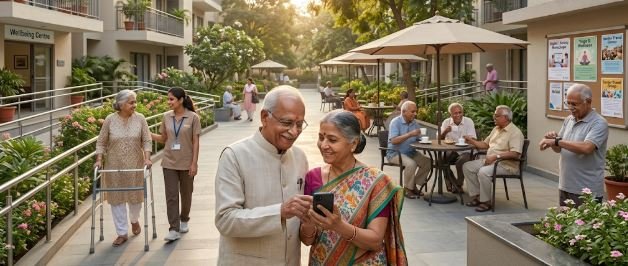
India’s economic growth story has traditionally been associated with its young population, rising middle class and expanding consumer market. Businesses have built their strategies around young professionals, working families and first-time buyers. However, another demographic shift is beginning to reshape the country’s business landscape: India is growing older.
With people living longer and family structures evolving, the number of senior citizens is increasing steadily. India’s population aged 60 and above is projected to reach approximately 230 million by 2036. This growing segment is not only changing the country’s social landscape but also creating demand for products, services and experiences designed specifically for older adults.
For businesses, this represents an emerging market with opportunities across multiple industries. From specialised healthcare and retirement housing to financial planning, assistive technology and senior-friendly travel, the ageing population is creating demand for an entirely new ecosystem of services.
Often described as the silver economy, this market is gradually gaining importance as businesses recognise that senior citizens represent more than a demographic group requiring care. They are also consumers with distinct preferences, purchasing power and lifestyle expectations.
A Changing Population Is Creating New Consumer Needs
One of the biggest factors driving this market is the transformation of Indian family structures.
Traditionally, elderly parents often lived with their children and received day-to-day support from family members. Today, migration to cities, overseas employment, smaller households and changing professional commitments have altered this arrangement.
Many senior citizens now live independently, sometimes far away from their children. Even when families remain closely connected, managing medical appointments, household responsibilities, medication and emergency situations can be difficult.
This has created a growing need for organised services that offer convenience, safety and dependable support.
For businesses, the opportunity lies in understanding these changing requirements and developing solutions that allow older adults to maintain their independence without compromising their quality of life.
Healthcare: The Foundation of the Silver Economy
Healthcare is expected to be one of the most important segments of India’s emerging senior-care market.
As people age, the need for regular medical attention, preventive healthcare and long-term management of chronic conditions becomes increasingly important. Conditions such as diabetes, hypertension, arthritis and cardiovascular diseases often require continuous monitoring and specialised assistance.
This is creating opportunities for home healthcare providers, geriatric clinics, rehabilitation centres and specialised medical services.
Home healthcare, in particular, has considerable potential. Services such as nursing assistance, physiotherapy, diagnostic testing, doctor consultations and post-hospitalisation care can help elderly patients receive treatment without frequent hospital visits.
Businesses can also explore subscription-based healthcare packages that include regular check-ups, medication management and coordinated medical support.
The opportunity is not limited to treating illnesses. Preventive healthcare, fitness programmes and wellness services can also become important parts of the senior-care ecosystem.
Companies that combine professional medical expertise with reliable service delivery will be well positioned to build long-term customer relationships.
Senior Living: A New Opportunity for India’s Real Estate Sector
The concept of retirement living is gradually evolving in India.
For many years, retirement homes were primarily associated with elderly individuals who lacked family support. Today, a different generation of seniors is emerging. Many want to remain independent, enjoy an active lifestyle and live in communities that offer comfort, security and access to healthcare.
This is creating opportunities for real estate developers and hospitality companies to explore specialised senior living projects.
Modern retirement communities can offer accessible residential units, housekeeping, emergency response systems, recreational facilities, dining services and medical assistance.
There is also growing scope for assisted-living facilities, senior-friendly rental housing and professionally managed retirement apartments.
For developers, the opportunity extends beyond selling residential properties. It involves creating an integrated living experience where housing, healthcare, hospitality and community engagement come together.
The success of these projects will depend on how effectively they address the everyday needs of residents. Accessibility, safety, affordability and quality of services will be just as important as location and property design.
Technology Is Making Independent Living More Accessible
Technology is opening another promising avenue for businesses serving older consumers.
As digital adoption increases, senior citizens are becoming more familiar with smartphones, online services and digital communication. However, many existing technologies are not designed with their specific requirements in mind.
This creates opportunities for companies to develop simpler, more accessible and practical solutions.
Wearable health devices, emergency alert systems, remote patient monitoring, medication reminders and telemedicine platforms can help senior citizens manage their everyday needs.
Artificial intelligence can further strengthen this ecosystem through voice-assisted applications, personalised health reminders and digital platforms that help families coordinate care.
For example, a technology company could develop a platform that allows family members to monitor medical appointments, coordinate caregivers and receive emergency notifications.
The real opportunity lies in creating technology that makes everyday life easier rather than adding another layer of complexity.
Simple interfaces, regional language support, voice commands and dependable customer assistance will be essential to wider adoption.
Financial Services: Meeting the Needs of a Longer Retirement
Living longer also means planning financially for a longer period of life.
For many senior citizens, retirement income comes from pensions, savings, investments, rental properties or financial support from family members. At the same time, healthcare costs and everyday living expenses can place pressure on retirement savings.
This creates opportunities for banks, insurance companies, wealth managers and financial technology businesses.
Specialised retirement planning, pension management, health insurance, estate planning and long-term care financing are some of the areas where demand could increase.
Financial institutions can also develop more accessible banking services, simplified digital platforms and dedicated advisory services for older customers.
Another emerging opportunity is helping families plan financially for the healthcare and assisted-living requirements of ageing parents.
However, trust will be particularly important in this segment. Senior citizens need transparent financial advice, products suited to their requirements and protection against misleading investment schemes.
Businesses that prioritise financial security and customer confidence can establish lasting relationships with this growing consumer group.
Travel, Hospitality and Lifestyle: The Rise of Active Ageing
The business potential of India’s ageing population goes far beyond healthcare and assisted living.
Many senior citizens remain active, financially independent and interested in exploring new experiences. They want to travel, pursue hobbies, participate in social activities and maintain healthy lifestyles.
This is creating opportunities for the travel and hospitality industries.
Travel companies can introduce senior-friendly holiday packages with comfortable transportation, accessible accommodation, carefully planned itineraries and medical assistance where required.
Hotels and resorts can develop wellness retreats, extended-stay packages and recreational programmes designed around older travellers.
Fitness and wellness businesses can introduce specialised yoga classes, low-impact exercise programmes, physiotherapy-led fitness sessions and preventive wellness packages.
There is also potential for senior activity clubs, hobby centres, cultural programmes and community-based recreational services.
Businesses that recognise the aspirations of older consumers, rather than focusing exclusively on their limitations, can tap into a broader lifestyle market.
Nutrition and Personal Care: Opportunities in Everyday Consumption
Food, nutrition and personal care are additional areas where the needs of senior citizens are creating opportunities.
Older adults may require meals that account for specific dietary preferences and health considerations. This creates demand for nutritious meal delivery services, customised diet plans and convenient food products.
Entrepreneurs can explore subscription-based meal services, dietitian-led nutrition programmes and specialised food offerings for retirement communities.
Personal care is another promising segment. Products such as adult hygiene solutions, comfortable footwear, ergonomic furniture, supportive mattresses and mobility aids can improve everyday comfort and convenience.
Indian businesses also have an opportunity to develop products that reflect regional food habits, local preferences and different income groups.
Rather than creating entirely new product categories, companies can adapt existing products to make them more accessible, comfortable and suitable for older consumers.
Where Entrepreneurs and Small Businesses Can Find Opportunities
The silver economy is not a market limited to large corporations, established healthcare groups or real estate developers. Small businesses and startups can also participate by solving specific problems faced by senior citizens and their families.
For example, an entrepreneur could establish a professionally managed home-assistance service in a city. Another business could offer transportation for elderly patients who need to attend regular medical appointments.
Startups could develop emergency response applications, while local healthcare enterprises could provide physiotherapy and rehabilitation services at home.
Some promising business models include:
- Home healthcare: Monthly subscriptions for nursing, medical assistance and physiotherapy.
- Senior assistance services: Household support, appointment management and everyday assistance.
- Retirement housing: Managed apartments, assisted living and senior-friendly residential communities.
- Senior travel: Specialised holiday packages and wellness retreats.
- Assistive products: Sales and rentals of mobility equipment and everyday support devices.
- Nutrition services: Customised meal plans and regular food delivery.
- Digital health solutions: Remote monitoring, medication management and emergency alert systems.
- Senior activity centres: Membership-based recreational, fitness and social programmes.
The most promising opportunities may emerge from businesses that address relatively simple but recurring problems. Reliability, convenience and consistent service quality can become powerful competitive advantages.
The Challenges Businesses Cannot Afford to Ignore
Despite its potential, India’s senior-care market faces several challenges.
Affordability remains one of the most important considerations. The financial circumstances of senior citizens vary significantly. While some can afford premium healthcare and retirement communities, many depend on pensions, savings or support from their families.
Businesses must therefore develop solutions for different income segments instead of concentrating exclusively on premium customers.
The availability of trained caregivers is another concern. Professional elderly care requires specialised skills, patience and an understanding of age-related physical and emotional needs. Building a dependable workforce will be essential for the industry’s expansion.
Trust is equally important. Families need confidence in the quality of caregivers, the qualifications of healthcare professionals and the reliability of service providers.
Companies must also focus on transparent pricing, customer support, emergency response systems and responsible handling of personal and medical information.
The businesses that succeed will be those that treat service quality and customer confidence as fundamental parts of their operating model.
The Road Ahead: Building a Sustainable Silver Economy
India’s ageing population is creating opportunities for a more organised ecosystem of businesses catering to older consumers.
Healthcare providers, property developers, technology companies, insurance businesses, hospitality brands and specialised service providers will increasingly have opportunities to serve this segment.
The market is likely to evolve as awareness grows and families become more comfortable using professional services for elderly care and independent living.
For established businesses, this is an opportunity to diversify and develop new customer segments. For startups, it offers scope to build innovative solutions around unmet needs. For investors, it represents a market supported by a long-term demographic shift.
However, sustainable growth will depend on understanding that senior citizens are not a uniform consumer group.
Their financial capacity, health requirements, lifestyles and expectations differ considerably. Some may require extensive medical support, while others may simply want better travel experiences, convenient services or opportunities to remain socially active.
Businesses must build their strategies around these differences.
Conclusion: A New Market Built Around Better Living
India’s growing senior population is reshaping the country’s economic and consumer landscape. What was once viewed primarily as a social responsibility is gradually emerging as a significant business opportunity.
From healthcare and retirement housing to financial services, technology, nutrition and lifestyle solutions, the possibilities extend across multiple industries.
The companies that recognise this shift early will have an opportunity to build businesses around needs that are likely to become increasingly important in the coming years.
But the real opportunity goes beyond commercial growth. It lies in creating products and services that help older adults remain independent, secure, healthy and socially connected.
As India’s demographic profile changes, the silver economy could become an important part of the country’s next phase of business development.
The future of this market will belong to businesses that understand one simple idea: ageing is not just about living longer; it is about having the opportunity to live better.
