
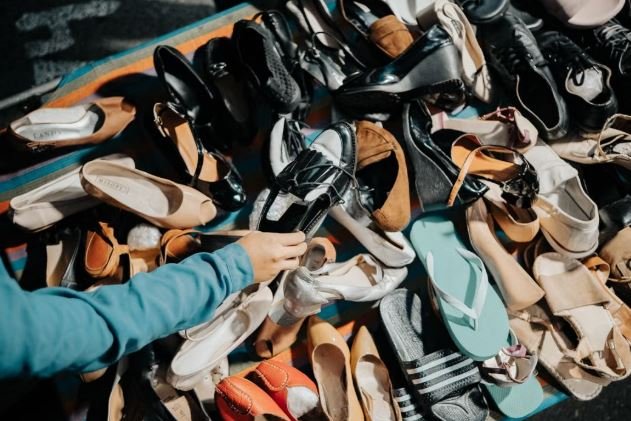
The fashion industry is undergoing a significant shift as consumers increasingly look beyond traditional retail for clothing and accessories. Second-hand fashion, once largely associated with thrift shops, charity stores and budget-conscious shopping, is becoming a recognised part of the modern retail market. From pre-owned designer handbags and vintage clothing to everyday apparel sold through digital resale platforms, previously owned fashion products are finding a wider audience.
At its core, second-hand fashion refers to clothing, footwear and accessories that have been purchased and used before but are resold, exchanged or passed on to another owner. Instead of following the conventional retail model, where products are bought, used and eventually discarded, this approach gives garments a longer commercial life. It allows consumers to purchase items at more accessible prices while helping reduce unnecessary textile waste and making better use of existing resources.
The growing popularity of this market reflects changing consumer priorities. Rising living costs have encouraged shoppers to look for value, while younger generations are showing greater interest in individual style, affordability and more responsible consumption. Digital marketplaces have made it easier to discover, compare and purchase pre-owned products, bringing second-hand shopping into the mainstream retail experience.
For the fashion industry, this change represents more than a new consumer trend. It is creating an opportunity to rethink how products generate value after their first sale. Resale, clothing rental, repair, refurbishment and recycling are gradually becoming important elements of a broader circular retail model. As a result, fashion brands, retailers, technology providers and independent entrepreneurs are exploring new ways to participate in a market that connects commercial growth with more responsible resource use.
Why Demand for Second-Hand Fashion Is Growing
The expansion of second-hand fashion is being driven by a combination of economic, social and technological changes.
Affordability remains a major factor. Consumers can often find quality clothing, branded products and premium accessories at prices below their original retail value. In a period when household budgets face pressure from everyday expenses, pre-owned fashion offers an alternative without requiring shoppers to compromise entirely on style or product quality.
Changing attitudes among younger consumers are also influencing demand. Gen Z and millennials increasingly view resale as a way to discover distinctive pieces, experiment with personal style and make more considered purchasing decisions. Vintage clothing, limited-edition products and pre-owned luxury items can offer a sense of individuality that mass-market retail does not always provide.
Sustainability is another important consideration. The conventional fashion model depends heavily on the production of new garments, which requires raw materials, energy, water and transportation. Extending the useful life of existing clothing can reduce the need for premature disposal and support more efficient resource use. Although resale alone cannot resolve the fashion industry’s environmental challenges, it offers a practical route towards more circular consumption.
Digital platforms have accelerated this shift. Consumers can now browse pre-owned collections, upload products for resale, compare prices and connect with buyers without visiting physical thrift stores. This convenience has helped make second-hand shopping more accessible and socially accepted.
How Second-Hand Fashion Is Reshaping the Fashion Industry
The growth of resale is challenging the traditional assumption that a fashion product generates value only when it is first sold. In a circular retail model, a garment can move through several ownership cycles, creating opportunities for additional sales and services.
This is encouraging fashion businesses to reconsider product design, quality, durability and after-sales engagement. Products that retain their condition and appeal over time may have stronger resale potential. Brands can also develop services that help customers repair, maintain, exchange or resell items rather than dispose of them.
The shift could influence several parts of the fashion value chain, including sourcing, manufacturing, inventory management, distribution and customer service. Retailers that understand how products perform beyond their first purchase may be better positioned to develop long-term relationships with customers.
It also introduces a new competitive dimension. Traditional retailers are no longer competing only with other brands selling new collections. They are increasingly sharing consumer spending with resale platforms, independent vintage sellers and peer-to-peer marketplaces.
Circular Retail: Turning Used Products into Business Value
Circular retail is a business approach that aims to keep products and materials in use for longer through resale, repair, rental, refurbishment and recycling. In fashion, it offers an alternative to the traditional take-make-dispose model.
For retailers, this creates opportunities to develop additional revenue channels while strengthening customer engagement.
-
Resale and buy-back programmes: Brands can encourage customers to return previously purchased products in exchange for store credit or other benefits. Suitable items can then be inspected, refurbished and resold.
-
Clothing rental services: Rental models allow customers to access occasion wear, premium clothing and designer collections without purchasing every item outright.
-
Repair and refurbishment: Alteration, restoration and maintenance services can extend garment life and create additional customer touchpoints.
-
Recycling and material recovery: Products that are no longer suitable for resale may be directed towards recycling or other material-recovery processes, depending on their condition and composition.
These models can help businesses recover value from products that might otherwise leave the retail ecosystem. They also provide opportunities to build customer loyalty through services that continue after the initial purchase.
Digital Resale Platforms Are Creating a New Retail Ecosystem
Technology is playing a central role in the expansion of second-hand fashion. Online marketplaces have reduced the barriers to buying and selling pre-owned clothing by connecting individual sellers, professional resellers and consumers through digital platforms.
For businesses, the opportunity extends beyond simply listing products online. Resale platforms need systems for product categorisation, condition assessment, pricing, secure payments, logistics and customer support. These requirements are creating demand for specialised technology and service providers.
Artificial intelligence can also support parts of the resale process. Image recognition and automated categorisation can help sellers list products more efficiently, while data analytics can assist with price recommendations and demand forecasting. Digital inventory systems can improve product tracking, and verification services can help address concerns about authenticity.
However, the resale experience depends heavily on trust. Buyers need accurate product descriptions, clear photographs, reliable delivery and fair return policies. For higher-value products, authentication and quality checks are particularly important.
Businesses that can combine convenience with transparency are more likely to build repeat customers in an increasingly competitive resale market.
New Business Opportunities for Fashion Brands and Retailers
The second-hand fashion market is creating opportunities for both established retailers and emerging businesses.
For established fashion brands, resale programmes can provide a way to retain customer relationships even after the original product has been sold. Instead of losing contact with a customer when an item is no longer needed, a brand can offer trade-in services, resale support or repair options.
Independent entrepreneurs can explore opportunities in curated vintage stores, pre-owned luxury products, online resale platforms and specialised clothing categories. Businesses that understand sourcing, product quality and customer preferences can build distinctive market positions.
There is also potential for service-based businesses. Authentication providers, garment repair specialists, cleaning and restoration services, logistics companies, inventory management platforms and resale technology providers can all support the expanding circular retail ecosystem.
For small and medium-sized enterprises, the market may offer a relatively flexible entry point compared with conventional fashion manufacturing. However, commercial success will depend on sourcing reliable inventory, controlling operating costs, establishing customer trust and managing product quality.
Challenges That Could Influence Market Growth
Despite its potential, second-hand fashion is not without commercial challenges. Product quality can vary significantly, making inspection and grading essential. Counterfeit products, inaccurate descriptions and inconsistent seller standards can undermine consumer confidence.
Logistics can also become complicated. Unlike conventional retail, where products are often stored in standardised sizes and quantities, resale businesses handle individual items with different conditions, styles and availability. This can increase the cost of sorting, photographing, storing and processing inventory.
Profitability is another consideration. Businesses must balance sourcing costs, cleaning, repairs, authentication, platform fees, delivery and customer service against the final resale price. Not every pre-owned garment will have enough market value to justify the cost of resale.
Retailers also need to consider how circular services fit into their existing business models. Resale can create additional revenue, but it may also compete with sales of new products if pricing, product positioning and customer incentives are not carefully managed.
Addressing these challenges will require consistent quality standards, transparent pricing, efficient logistics and a clear understanding of consumer demand.
The Future of Fashion Retail Will Depend on Longer Product Life Cycles
The rise of second-hand fashion signals a broader change in how consumers evaluate products and how retailers approach long-term value. The market is moving beyond the idea that fashion consumption must always begin with a new purchase. Instead, resale, repair, rental and refurbishment are creating additional ways for products to remain commercially useful.
For fashion brands, circular retail offers an opportunity to strengthen customer engagement and develop new revenue streams. For entrepreneurs and technology providers, it opens space for specialised services across resale, authentication, logistics and product management. For consumers, it provides greater choice, affordability and access to distinctive products.
The next stage of growth will depend on the industry’s ability to make second-hand shopping as reliable and convenient as buying new. Businesses that invest in product quality, transparent transactions and efficient resale operations can turn changing consumer preferences into sustainable commercial opportunities.
Second-hand fashion is no longer simply an alternative to conventional shopping. It is becoming an important part of the fashion industry’s evolving business model, where extending a product’s life can create value for consumers, retailers and the wider economy.
