

July 17: As geopolitics increasingly influences trade, technology, investments and global supply chains, business schools are recognising that understanding world affairs is no longer optional for future managers.
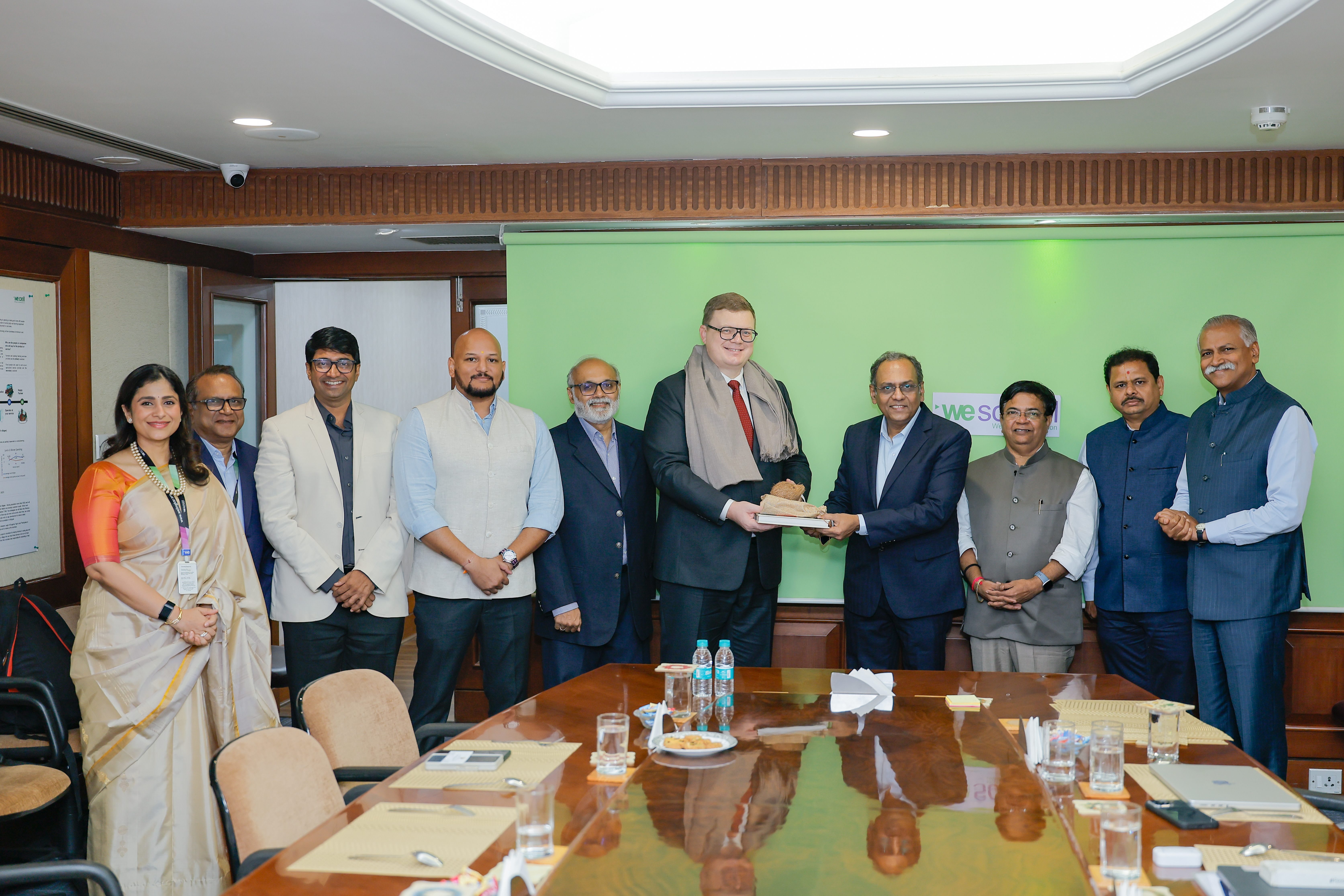
That was the premise of an engaging session at Prin. L. N. Welingkar Institute of Management Development & Research , Mumbai, where students interacted with H.E. Mr. Aliaksandr Matsukou, Consul General of the Republic of Belarus, during a discussion on “India–Belarus Partnership: A BRICS Perspective”.
Introducing the session, Prof. Dr. Pankaj Ramesh Natu, Prin. L N Welingkar Institute of Management Development and Research, Director, WeSchool, remarked,
“Management education is as much about understanding the world as it is about understanding business. Exposure to global leaders enables students to develop a broader perspective on the forces shaping tomorrow’s economy.”
Rather than a conventional diplomatic address, the session offered students a window into how international relations shape economic opportunities. Speaking about Belarus’ strategic location between Europe and Asia, the Consul General outlined the country’s longstanding ties with India and highlighted opportunities for collaboration across agriculture, manufacturing, higher education, healthcare and technology. He also shed light on Belarus’ recent BRICS Partner Country status, describing the grouping as an evolving platform built on mutual respect, collaboration and shared growth among emerging economies.
The conversation became especially engaging during the interactive Q&A, where students raised questions on entrepreneurship, global careers and the future of India–Belarus relations. Responding to a question on the role of young entrepreneurs, the Consul General emphasised that while academic learning provides the foundation, practical experience is what transforms knowledge into meaningful impact. He encouraged students to stay curious, embrace diverse cultures, develop a global outlook and continuously learn from the world around them.
The interaction reflected a broader shift in management education. As businesses become more interconnected and global developments increasingly influence boardroom decisions, future leaders will need more than technical expertise. They will need the ability to understand geopolitical shifts, navigate international markets and build relationships across borders. Sessions like these reinforce that tomorrow’s managers must be prepared not just for the world of business, but for the world itself.