
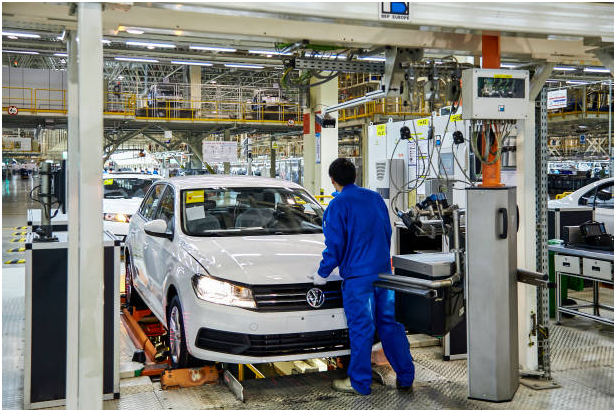


Volkswagen parts rarely fail without warning. Most components show early signs of wear long before they stop working completely, such as unusual noises when braking, difficulty starting the engine, warning lights on the dashboard, excessive vibrations, or uneven tire wear. Recognizing these signals can help you avoid expensive repairs, improve safety, and keep your vehicle running smoothly.
Atlanta, Georgia, is one of the country’s busiest transportation hubs. Daily commuting often involves heavy traffic and frequent stop-and-go driving, which can place additional stress on vehicle components. The city’s hot summers can also accelerate wear on parts like batteries, brakes, and tires.
If you’re looking for a trusted VW repair shop in Atlanta, getting familiar with these warning signs can help you know when it’s time to schedule an inspection.
1. Pay Attention to Everyday Changes
Your car will tell you when something isn’t right. New noises, unusual vibrations, slower acceleration, difficulty starting, or warning lights on the dashboard should never be ignored. Even small changes in performance may indicate that a component is reaching the end of its service life.
2. Watch for Tire Wear
Tires naturally wear over time, but uneven tread, cracks, bulges, repeated air loss, or noticeable vibration deserve immediate attention. Worn tires reduce traction, increase stopping distances, and can negatively affect fuel economy.
3. Don’t Ignore Brake Problems
Squealing, grinding, a soft brake pedal, or longer stopping distances usually indicate that brake pads or related components need replacement. Drivers who spend a lot of time in city traffic should pay especially close attention since frequent braking accelerates wear.
4. Battery and Electrical Warning Signs
If your vehicle struggles to start, headlights appear dim, electrical accessories behave unpredictably, or the battery warning light appears, the battery or charging system may need attention. Replacing failing electrical components early helps reduce the risk of unexpected breakdowns.
5. Engine and Ignition Issues
Rough idling, engine hesitation, poor acceleration, or frequent misfires often point to worn spark plugs or ignition components. If left unresolved, these issues can reduce fuel efficiency and place additional strain on the engine.
6. Suspension and Handling Changes
A bouncy ride, excessive vibration, unusual clunking noises, or poor handling over bumps may indicate worn shocks, struts, or suspension components. Visiting a trusted VW repair shop in Atlanta can help identify suspension problems before they affect vehicle safety or cause uneven tire wear.
7. Never Ignore Dashboard Warning Lights
Modern Volkswagens continuously monitor important vehicle systems. Warning lights related to the engine, oil pressure, battery, temperature, or traction control should always be inspected promptly. Addressing these alerts early often prevents much larger repairs later.
Why is Preventive Maintenance Important?
Routine inspections allow technicians to replace worn parts before they damage surrounding components. Staying ahead of maintenance not only improves performance but also helps extend the life of your Volkswagen while reducing unexpected repair costs.
Final Takeaways
- Most Volkswagen parts provide warning signs before failing.
- New noises and vibrations should never be ignored.
- Worn brakes and tires directly affect safety.
- Battery and ignition problems often worsen over time.
- Dashboard warning lights deserve prompt attention.
- Preventive maintenance helps reduce costly future repairs.
- Replacing worn parts early keeps your Volkswagen reliable and efficient.