
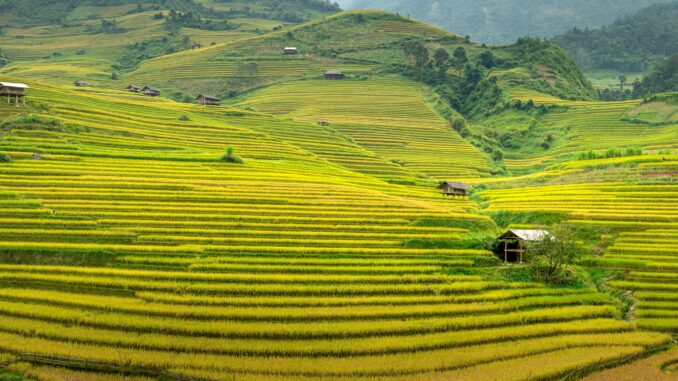

Discover the beauty of Sapa, Vietnam, through scenic treks across iconic terraced rice fields, authentic village experiences, and meaningful interactions with local ethnic communities.
Why Sapa Should Be on Every Traveler’s Bucket List
Nestled in the misty mountains of northern Vietnam, Sapa is a destination that effortlessly combines breathtaking landscapes with rich cultural experiences. Famous for its emerald-green terraced rice fields, towering mountain peaks, and vibrant ethnic communities, Sapa offers travelers a chance to slow down, reconnect with nature, and experience a way of life that has remained largely unchanged for generations.
While many destinations promise adventure, Sapa delivers something more meaningful. Here, trekking is not simply about reaching a viewpoint—it’s about discovering hidden villages, sharing conversations with local families, and gaining a deeper appreciation for the traditions that shape this remarkable region.
Whether you’re an avid hiker, a photography enthusiast, or a traveler seeking authentic cultural experiences, Sapa is one of Vietnam’s most rewarding destinations.
The Magic of Sapa’s Terraced Rice Fields
One of Sapa’s most iconic attractions is its spectacular terraced rice fields. Carefully carved into steep mountainsides over centuries, these cascading fields create a mesmerizing patchwork of colors that transform throughout the year.
During the planting season, the terraces shimmer with water, reflecting the sky like giant mirrors. By summer, they burst into vibrant shades of green, while autumn brings golden hues as the rice ripens for harvest.
Beyond their visual appeal, these terraces represent the ingenuity and resilience of local farming communities. Generations of ethnic minority groups have cultivated these lands using traditional agricultural methods that work in harmony with the natural landscape.
For many visitors, witnessing these breathtaking terraces firsthand becomes one of the highlights of their journey through Vietnam.
Trekking Through Sapa: An Adventure for Every Traveler
Sapa’s extensive network of trekking trails offers something for everyone, from casual walkers to experienced hikers.
Short treks typically lead visitors through nearby villages such as Cat Cat, where travelers can enjoy scenic views while learning about local traditions. Longer routes venture deeper into the valleys and mountains, passing through remote settlements, bamboo forests, and stunning rice terraces.
Popular trekking routes include:
- Lao Chai and Ta Van Villages – Known for spectacular rice terraces and authentic cultural encounters.
- Cat Cat Village – Ideal for first-time visitors looking for an easy trek.
- Ta Phin Village – Famous for its Red Dao community and traditional herbal baths.
- Fansipan Trails – Offering adventurous hikers the chance to explore the region surrounding Vietnam’s highest peak.
Every trail reveals a different side of Sapa’s natural beauty, making each trek a unique experience.
Meeting the People Behind the Landscape
What truly sets Sapa apart is its people.
The region is home to several ethnic minority communities, including the Hmong, Dao, Tay, and Giay groups. These communities have preserved their distinct customs, languages, clothing, and traditions despite the rapid modernization taking place elsewhere.
Trekking through Sapa provides opportunities to interact directly with local families, visit traditional homes, and learn about daily life in the mountains. Travelers often find that these personal encounters become the most memorable part of their journey.
From watching artisans create intricate handicrafts to learning about traditional farming techniques, visitors gain valuable insights into cultures that have flourished in this region for centuries.
Why Local Guides Enhance the Experience
Hiring a local guide can transform a simple trek into an immersive cultural journey.
Local guides possess intimate knowledge of the terrain, weather conditions, and hidden trails that many tourists would otherwise miss. More importantly, they offer valuable perspectives on local customs, traditions, and community life.
Their stories bring the landscape to life, helping travelers understand the deep connection between the people and the land they call home.
Choosing a local guide also supports the local economy, ensuring that tourism benefits the communities that make Sapa such a special destination.
Sustainable Tourism in Sapa
As Sapa continues to attract international visitors, sustainable tourism has become increasingly important.
The growing popularity of trekking brings economic opportunities but also presents environmental challenges. Responsible travel practices help preserve the natural beauty of the region while supporting local livelihoods.
Visitors can contribute by:
- Staying on designated trekking trails.
- Respecting local customs and traditions.
- Reducing plastic waste.
- Supporting locally owned accommodations and businesses.
- Hiring local guides and purchasing authentic handicrafts directly from artisans.
Small actions can make a significant difference in protecting Sapa’s unique cultural and environmental heritage for future generations.
Best Time to Visit Sapa
Sapa is beautiful year-round, but the scenery changes dramatically with the seasons.
March to May
Spring brings pleasant temperatures, blooming flowers, and lush landscapes, making it an excellent time for trekking.
June to August
The rice terraces are at their greenest, creating some of the region’s most photogenic scenery.
September to October
Harvest season transforms the hills into a sea of golden rice fields, offering arguably the most spectacular views of the year.
November to February
Cooler temperatures and occasional fog create a mystical atmosphere, though some trekking routes can become more challenging.
What to Pack for a Sapa Trek
Preparation is key to enjoying your trekking adventure.
Essential items include:
- Comfortable hiking shoes
- Lightweight waterproof jacket
- Reusable water bottle
- Sunscreen and insect repellent
- Camera or smartphone for photography
- Small backpack for daily essentials
Layered clothing is recommended, as mountain weather can change quickly throughout the day.
A Taste of Sapa’s Local Cuisine
After a day of trekking, Sapa’s culinary scene offers the perfect reward.
Visitors can enjoy local specialties such as grilled mountain pork, sticky rice dishes, fresh vegetables grown in the highlands, and traditional hotpots. Many homestays also provide home-cooked meals, allowing travelers to experience authentic local flavors while sharing stories with host families.
Food in Sapa reflects the region’s agricultural heritage and diverse cultural influences, adding another layer to the travel experience.
More Than a Trekking Destination
Sapa is far more than a place to hike. It is a destination where dramatic landscapes meet living traditions, where every trail tells a story, and where genuine human connections enrich every journey.
From walking through world-famous terraced rice fields to sharing moments with local communities, Sapa offers experiences that stay with travelers long after they leave.
For those seeking adventure, cultural discovery, and some of Southeast Asia’s most stunning scenery, Sapa remains one of Vietnam’s most unforgettable destinations.