
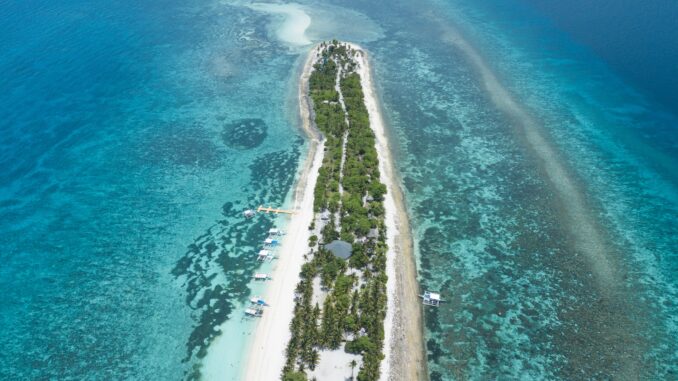

Some beaches are defined by luxury resorts, beach clubs and crowded promenades. Kalanggaman Island offers almost the opposite experience. Located off the coast of Leyte in the Philippines, the small island is known for its long white sandbar, clear turquoise waters and remarkably undeveloped setting.
That natural character has gained international attention. In 2026, Kalanggaman Island was placed at No. 25 on the World’s 50 Best Beaches list, marking its first appearance on the ranking. The selection considered factors including uniqueness, wildlife, untouched nature, calm waters, crowd levels and the overall idyllic quality of a beach.
Where Is Kalanggaman Island?
Kalanggaman is located in Palompon, Leyte, in the Eastern Visayas region of the Philippines. The island is reached by boat, with Palompon serving as one of the main access points.
The Philippine Department of Tourism describes Kalanggaman for its turquoise waters and distinctive long sandbars. Visitors can enjoy swimming, snorkeling, kayaking, photography and beach picnics, making the destination suitable for a relaxed day by the sea.
Unlike highly developed beach destinations, Kalanggaman does not have large resort complexes lining the shore. That limited development is an important part of its appeal.
The Sandbar That Defines Kalanggaman
The island’s most recognizable feature is its long, narrow white sandbar stretching into the surrounding sea.
Its appearance can change with tides and weather conditions, which means the shape and extent of the sandbar may look different from one visit to another. The contrast between the bright sand and shallow blue-green water creates the postcard-like scenery for which Kalanggaman has become known.
The name itself is associated with the local word “langgam,” meaning bird, reflecting the island’s bird-like shape.
More Than a Beautiful Beach
Kalanggaman is visually striking, but its appeal extends beyond photography.
The surrounding waters provide opportunities for swimming and snorkeling, while kayaking offers another way to experience the coastline. For visitors who prefer a slower pace, simply walking along the sandbar, sitting beside the water or enjoying a picnic can be enough.
There is also something refreshing about the absence of a busy commercial strip. The experience is centered largely on the landscape rather than entertainment infrastructure.
How to Reach Kalanggaman Island
Most visits to Kalanggaman are planned as boat trips from nearby areas of Leyte or from Cebu. Palompon is an important gateway, with tourism facilities supporting visitor access and boat arrangements.
Because the island is relatively small and does not function like a conventional resort destination, visitors should plan their transportation, food, water and other essentials in advance rather than expecting extensive facilities on arrival.
This is one of the practical differences between visiting Kalanggaman and staying at a conventional beach resort.
Why Kalanggaman Still Feels Unspoiled
The island’s limited infrastructure is central to its character. The Philippine Department of Tourism notes that Kalanggaman has no large resorts, while Palompon manages visitor numbers to help control pressure on the destination.
The World’s 50 Best Beaches also highlights the island’s limited infrastructure and boat-only access as factors that naturally keep visitor numbers in check.
That balance matters. A beach can become a victim of its own popularity when visitor numbers grow faster than the destination’s ability to manage waste, transport, water use and environmental pressure.
What to Do on Kalanggaman Island
Walk the Sandbar
Walking along the white sandbar is one of the simplest ways to experience the island. Its narrow shape provides changing views of the sea on both sides.
Swim in the Clear Waters
The shallow, turquoise waters around the island are among its biggest attractions. Sea conditions can vary, so visitors should always follow local guidance before entering the water.
Try Snorkeling
The surrounding marine environment offers opportunities to explore underwater life. Snorkeling also provides a different perspective of Kalanggaman beyond its famous shoreline.
Go Kayaking
Kayaking allows visitors to experience the coast from the water and enjoy views that are difficult to appreciate from the sandbar alone.
Take Photographs
Kalanggaman’s white sand, blue-green water and open horizon make it naturally photogenic. Early or later hours can also provide softer light and a different atmosphere.
When Is the Best Time to Visit Kalanggaman?
The ideal time depends largely on sea and weather conditions. Because access is by boat, checking the local forecast and sea conditions before travelling is particularly important.
Rather than planning a visit around photographs alone, visitors should check local tourism advisories and transportation conditions before setting out.
A Destination That Needs Careful Tourism
International recognition can bring new attention, but it can also create new pressure.
Local officials have welcomed the 2026 global recognition while emphasizing the need to balance tourism opportunities with environmental protection. The Philippine Information Agency reported that the recognition has generated optimism around tourism and livelihoods in Eastern Visayas, alongside concerns about protecting the island’s natural resources.
For visitors, responsible tourism can be straightforward: avoid leaving waste behind, respect designated areas, follow local visitor rules, avoid damaging marine life and take only photographs and memories.
Why Kalanggaman Island Is Gaining Global Attention
Kalanggaman’s appearance on the 2026 World’s 50 Best Beaches list gives it a new level of international visibility. But the recognition is notable because the island’s appeal is not based on luxury infrastructure or a long list of attractions.
Its strength lies in simplicity: a striking sandbar, clear water, relatively limited development and a landscape that remains closely connected to nature.
That combination is increasingly valuable at a time when many popular beach destinations are dealing with overcrowding and rapid development.
A Beach Worth Protecting
Kalanggaman Island demonstrates that a destination does not need extensive infrastructure to become globally recognizable. Its white sandbar and turquoise waters have created an international identity, while its relatively untouched character remains one of its greatest attractions.
The challenge now is maintaining that character as more people discover the island.
For those planning a visit, the most memorable experience may not be about ticking off activities. It may simply be walking along the sandbar, looking across the clear water and experiencing a Philippine beach before large-scale development changes its character.
Kalanggaman’s growing fame makes that natural beauty more visible to the world. Protecting it will determine how long that beauty remains its defining feature.