
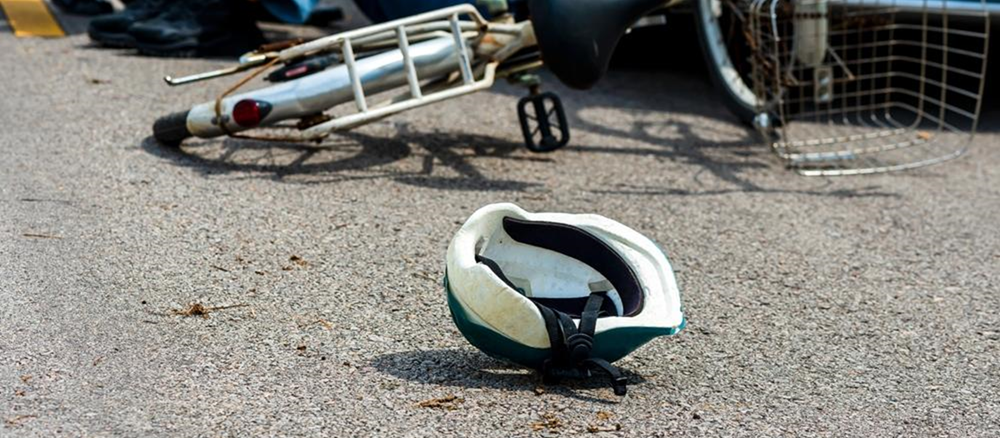

Roads are built on decisions. Every person moving through traffic is constantly making choices about speed, distance, direction, and timing. Most of these choices feel routine because they happen hundreds of times during a normal trip. That is what makes bicycle collisions so interesting. They often appear sudden, yet the path toward them usually begins much earlier.
A glance in a mirror, a turn into traffic, or an assumption about another road user can quietly shape what happens next. For someone injured in a bicycle accident, those brief decisions often become part of a much larger story worth looking at more closely.
The Decision to Turn Before Fully Checking Surroundings
Intersections create some of the busiest decision-making on the road. Drivers watch traffic lights, check approaching vehicles, and look for openings to make a turn. At the same time, cyclists may be moving through the same space while following their own path.
A turn often takes only a few seconds to begin. During that short period, attention may focus heavily on cars and trucks while a cyclist receives less notice. The road does not stop moving while these choices are being made. Vehicles continue forward, cyclists continue riding, and available space changes quickly.
What makes these situations important is that the collision itself is not usually the first event. The first event is often the decision to move before every surrounding detail has been fully observed. That small choice can shape everything that follows.
The Choice Between Speed and Time to React
Speed affects more than how fast someone reaches a destination. It also affects how much time exists to notice changes and respond to them.
Road users constantly make decisions about pace. Sometimes traffic encourages faster movement. Other times, people simply feel comfortable maintaining a certain speed because the road seems clear. The challenge is that conditions can change quickly, especially in places where bicycles and motor vehicles share space.
A small increase in speed may reduce the amount of time available to react. What feels manageable one second can feel very different the next. A cyclist entering view, a vehicle changing direction, or a sudden need to brake can all become harder to manage as reaction time becomes shorter.
Many collisions are connected to timing as much as movement. A few extra seconds to notice something can completely change the outcome of a situation.
Assumptions Made in Shared Road Spaces
Roads function smoothly because people develop expectations. Drivers expect traffic to move in predictable ways. Cyclists expect others to notice their presence. Most of the time, these expectations work well, but problems can develop when assumptions replace observation.
A driver may believe a lane is clear because it appeared empty moments earlier. A cyclist may expect a nearby vehicle to continue straight because its position suggests that direction. Neither person is acting carelessly. They are simply relying on information that may no longer be accurate.
Shared road spaces require constant adjustment because conditions change from one moment to the next. Expectations can help people move efficiently, but they can also create blind spots when reality shifts unexpectedly.
This is one reason bicycle collisions often involve details that seem small at first. A simple assumption can influence several decisions in a row before anyone realizes conditions have changed.
Split-Second Decisions During Lane Changes and Passing
Small Choices With Big Effects
Lane changes and passing maneuvers require several judgments within a short period. Drivers must estimate speed, distance, spacing, and traffic flow before moving.
The following details often influence these decisions:
- Vehicle position
- Available space
- Traffic speed
- Road conditions
- Cyclist visibility
- Reaction time
Cyclists occupy less physical space than larger vehicles, which can make them easier to overlook during quick decisions. A driver may check mirrors, evaluate traffic, and begin moving within only a few seconds. If a cyclist is not fully accounted for during that process, the available space can change very quickly.
These situations show how bicycle collisions are often connected to a chain of decisions rather than a single action. Each choice builds upon the one before it.
Why Bicycle Collisions Are Often Reviewed Through Small Details?
After a collision, attention often turns to the final point of contact. Yet many reviews focus on the moments leading up to that point because those moments help explain how events developed.
Investigators may examine vehicle movement, visibility, road layout, traffic flow, and available reaction time. They look at how individual choices fit together rather than viewing the collision as one isolated event.
For someone injured in a bicycle accident, these details can become part of understanding how the incident unfolded. The answers are often found in the small decisions made seconds earlier rather than in the collision itself.
Looking Beyond the Point of Contact
Bicycle collisions rarely begin with a single dramatic action. They usually develop through a series of choices that seem ordinary at the time. A turn, a speed adjustment, a lane change, or an assumption about another road user can all influence what happens next.
Looking closely at these moments creates a clearer picture of how collisions take shape. Roads are filled with decisions every day, and sometimes the smallest ones carry the biggest consequences.