
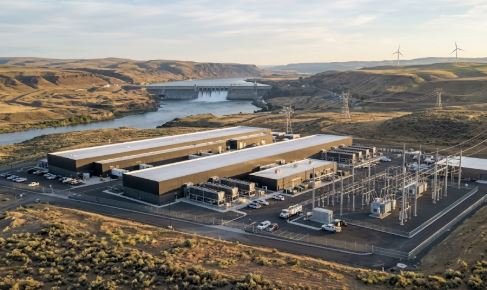
Washington is emerging as an attractive destination for data centre investment in the United States, supported by affordable hydropower, expanding digital infrastructure and growing demand for cloud computing and artificial intelligence. The rapid development of data centres is creating opportunities across construction, renewable energy, engineering, real estate and technology services while strengthening the state’s position in the digital economy.
The growing use of artificial intelligence, cloud applications and online services is creating an enormous demand for computing infrastructure. From businesses storing customer information to financial institutions processing transactions and companies running AI applications, much of today’s digital activity depends on data centres operating continuously behind the scenes.
As this demand increases, businesses are investing in larger and more advanced facilities to ensure reliable computing capacity. Washington is attracting attention in this market because of its access to relatively affordable electricity, established technology ecosystem and strong digital connectivity.
The state’s advantage is particularly evident in central and eastern Washington, where abundant hydropower and available industrial land offer favourable conditions for large infrastructure projects. An estimated $12.9 billion construction pipeline highlights the scale of investment interest and the growing importance of data centres to the regional economy.
For Washington, this development represents more than an expansion of technology infrastructure. It is creating a wider business ecosystem that can support local employment, attract private investment and generate demand for services across multiple industries.
Affordable Hydropower Gives Washington a Competitive Advantage
Electricity is one of the biggest operating expenses for data centres. These facilities run continuously and require substantial power to operate servers, networking equipment and cooling systems.
Washington has an important advantage through its established hydroelectric power infrastructure. Access to relatively affordable hydropower, particularly in central and eastern parts of the state, makes the region attractive for energy-intensive computing operations.
The availability of renewable electricity also supports the sustainability objectives of businesses looking to reduce the environmental impact of their digital infrastructure.
Location is another advantage. Washington benefits from its connection to a well-developed technology and telecommunications ecosystem, while areas outside major urban centres offer opportunities for large-scale industrial development.
Together, electricity availability, connectivity and infrastructure are helping the state attract investment in cloud computing and advanced data processing facilities.
Large-Scale Projects Are Transforming the Infrastructure Landscape
Washington’s data centre industry is expanding through established facilities and a growing pipeline of proposed developments.
The state has more than 120 data centre facilities and active projects, representing approximately 3.1 gigawatts of reported or announced power capacity. This reflects the increasing scale of infrastructure required to support cloud services, enterprise computing and artificial intelligence.
Central Washington has become an important location for large computing campuses, while additional developments are being planned in other parts of the state.
One proposed development in Walla Walla County covers approximately 554 acres and is expected to support around 300 megawatts of computing capacity. Projects of this scale require substantial investment in land, construction, electricity infrastructure, cooling systems and telecommunications.
Such developments create business opportunities for construction contractors, electrical engineers, equipment suppliers and infrastructure specialists.
The commercial impact also continues after construction. Data centres require regular maintenance, equipment upgrades, security services and technical support, creating opportunities for businesses that can provide specialised services over the long term.
Construction and Real Estate Businesses Benefit From Growing Demand
The expansion of data centres is creating new opportunities for the construction and commercial real estate sectors.
Unlike conventional office buildings, data centres require specialised infrastructure, including reinforced facilities, high-capacity electrical systems, backup power arrangements and advanced cooling equipment.
This creates demand for civil engineering, industrial construction, electrical installation and project management services.
Landowners and commercial property developers may also benefit from growing interest in locations with suitable electricity connections, fibre-optic networks and infrastructure access.
However, not every industrial site is suitable for data centre development. Businesses must consider power availability, water resources, connectivity and local planning requirements before making investments.
For regional contractors and suppliers, the growing construction pipeline offers an opportunity to participate in large infrastructure projects and build long-term relationships with data centre operators.
Data Centres Are Supporting Employment and Regional Economic Growth
The economic impact of data centre development extends beyond the technology industry.
Construction projects create demand for engineers, electricians, equipment operators, transport providers and other skilled workers. Once facilities become operational, they require employees to manage electrical infrastructure, cooling systems, cybersecurity and technical operations.
Washington’s data centre industry is estimated to contribute approximately $6.82 billion to the state economy and support nearly 9,000 direct jobs.
Local governments can also benefit through property tax revenues and increased economic activity. For smaller communities, large infrastructure developments can create new business opportunities and strengthen the local tax base.
The industry also supports indirect employment through suppliers, maintenance contractors, professional services and other businesses involved in the infrastructure supply chain.
For regional economies, the challenge will be to ensure that these investments translate into lasting benefits through local employment, workforce training and opportunities for smaller businesses.
Artificial Intelligence Is Increasing Demand for Computing Infrastructure
Artificial intelligence is becoming one of the strongest drivers of data centre expansion.
Modern AI applications require powerful computing systems to process large volumes of information, train models and deliver services to users. These activities demand advanced servers, reliable electricity and sophisticated cooling infrastructure.
As businesses across healthcare, finance, manufacturing, retail and logistics adopt AI, the need for computing capacity is increasing.
This creates an important opportunity for Washington’s data centre market. Facilities that can support demanding computing workloads are becoming increasingly valuable to businesses seeking reliable digital infrastructure.
The growth of AI also creates demand for specialised equipment, networking systems, power management solutions and advanced cooling technologies.
For technology suppliers and engineering companies, this represents an opportunity to serve a market that is expanding alongside the wider adoption of artificial intelligence.
Renewable Energy and Cooling Technologies Create New Business Opportunities
While data centres support digital growth, their increasing electricity and cooling requirements also create new infrastructure challenges.
Servers generate substantial heat during operation, making efficient cooling essential for equipment performance and reliability. Operators must also ensure that facilities receive a consistent electricity supply.
This is encouraging investment in advanced cooling systems, energy-efficient equipment, battery storage and improved power management.
Water consumption is another important consideration, particularly for facilities that depend on water-intensive cooling methods. Businesses need to evaluate local water availability and adopt efficient systems to manage resource consumption.
These requirements are creating opportunities for renewable energy developers, electrical equipment suppliers, environmental technology companies and engineering specialists.
For Washington, the ability to expand data centre capacity while managing energy and water resources responsibly will be important to maintaining its investment appeal.
Small Businesses Can Participate in the Data Centre Supply Chain
Although major infrastructure operators account for much of the investment, smaller businesses also have opportunities to benefit from the industry’s growth.
Data centres require a wide range of supporting services, including electrical maintenance, security, cleaning, equipment transportation, facility management and specialised construction work.
Local SMEs can participate by supplying materials, providing technical services or supporting ongoing facility operations.
Companies involved in industrial automation, cooling equipment, energy monitoring and cybersecurity can also explore opportunities as data centre operators modernise their infrastructure.
For smaller service providers, developing technical capabilities and meeting industry quality and safety requirements can help establish long-term business relationships.
This makes the data centre industry relevant not only to large technology companies but also to regional contractors, specialist suppliers and emerging service businesses.
Power Availability and Environmental Concerns Remain Major Challenges
Despite strong investment potential, rapid data centre development brings challenges that businesses and policymakers must address.
Electricity demand is one of the biggest concerns. Large facilities require substantial and uninterrupted power, and the expansion of computing capacity can place pressure on existing electricity networks.
New substations, transmission lines and supporting infrastructure may be needed to accommodate future demand. Developing these systems requires time, investment and coordination with utilities.
Permitting and environmental approvals can also influence project timelines. Local communities may raise concerns about electricity consumption, water usage, land development and the impact of large industrial facilities on existing resources.
These challenges create opportunities for businesses working in grid modernisation, renewable energy, energy storage and resource-efficient cooling.
For investors and developers, understanding these infrastructure limitations is essential when evaluating the long-term commercial potential of individual projects.
Investment Opportunities Extend Across the Digital Infrastructure Market
Washington’s data centre expansion is creating opportunities across several connected industries.
Construction and real estate businesses can benefit from new campus developments, while energy providers and equipment manufacturers can serve growing electricity and infrastructure requirements.
Technology companies can explore opportunities in cloud infrastructure, cybersecurity, data management and advanced cooling systems. Engineering consultants and maintenance providers can also benefit from the growing need for specialised technical services.
For investors, the opportunity extends beyond the ownership and operation of data centres. Businesses supplying the essential infrastructure that supports these facilities may also benefit from increasing demand.
However, successful investment will depend on factors such as electricity availability, construction costs, regulatory approvals and long-term demand for computing services.
Companies that offer reliable, energy-efficient and cost-effective solutions are likely to find stronger opportunities as the market develops.
Washington’s Data Centre Growth Is Creating a New Economic Opportunity
The expansion of data centres is changing the role of digital infrastructure in regional economic development. Washington’s access to hydropower, established connectivity and growing investment pipeline are helping it attract projects that support cloud computing, artificial intelligence and modern business services.
For local communities, these developments can generate employment, strengthen tax revenues and create opportunities for supporting industries. For SMEs, they offer new avenues to supply goods and services to large infrastructure projects. For investors, the sector provides exposure to a growing market connecting technology, energy, construction and real estate.
The next phase of growth will depend on how effectively the state balances investment opportunities with electricity availability, environmental responsibilities and community needs.
As artificial intelligence and cloud computing become increasingly important to businesses, data centres are emerging as essential economic infrastructure. Washington has an opportunity to turn its energy advantages and expanding digital ecosystem into a long-term source of investment, employment and business growth.
