
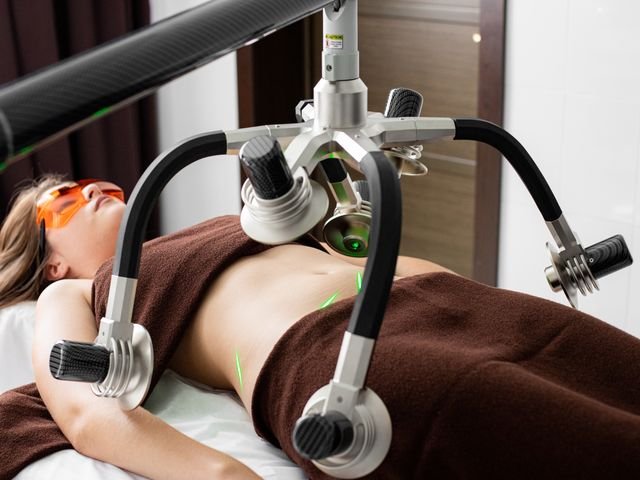
Maintaining firm, elastic skin as you age feels a lot like managing structural integrity in a growing software application. As collagen production naturally slows down over time, underlying dermal layers gradually lose their elasticity, leading to surface laxity that surface creams and lotions simply cannot fix.
Restoring long-term skin tightness requires targeting deep collagen fibres with controlled thermal energy rather than relying on superficial topical treatments. If you are researching non-invasive energy options for onda pro in Singapore, understanding how targeted microwave energy warms deep dermal tissue while cooling surface skin gives you a solid framework for your care plan. Setting up a realistic treatment timeline protects your skin’s collagen architecture while keeping your daily routine undisturbed.
The Biomechanics of Dermal Collagen Tightening
Your skin relies on a dense matrix of collagen and elastin fibres located in the deep dermis. When heat energy reaches this layer at precise therapeutic temperatures, existing collagen helixes contract immediately, tightening the surrounding tissue network.
Over the following two to three months, this controlled thermal stimulation activates fibroblast cells, triggering the production of fresh, springy collagen. Because the new collagen matrix builds up gradually from within, your skin develops smooth, natural-looking firmness without sudden artificial shifts.
The High Energy Surface Temperature Trade Off
Standard cosmetic guides often claim that higher surface energy levels always yield faster, more dramatic tightening results. The non-obvious trade-off is that firing high-frequency energy through the outer skin layer creates intense surface heat, risking epidermal burns and forcing lengthy recovery periods.
Choosing targeted sub-dermal microwave frequencies trades aggressive surface heat for deep thermal penetration coupled with active contact cooling. This selective energy delivery passes straight through the top skin layer without overheating it, focusing thermal energy where collagen resides while keeping your outer skin completely cool and comfortable.
The Superficial Cream Treatment Mistake
The most common and expensive mistake people make is spending thousands of pounds on luxury tightening creams to fix deep structural sagging. People fall into this trap because aggressive marketing promises that topical peptides can penetrate deep into the dermis.
In reality, the outer stratum corneum layer of your skin acts as a protective barrier specifically designed to block large molecules from entering deeper tissues. Topical creams only hydrate the very top layer of dead skin cells, yielding zero structural impact on stretched collagen networks and delaying effective deep-tissue treatment for years.
Calculating Real Three Year Skin Care Economics
Let us examine a concrete worked example comparing ongoing topical cream purchases against a targeted dermal energy protocol over a three-year period. Consider an individual spending 180 pounds monthly on high-end firming serums and topical skin-tightening lotions.
Over three years, buying topical products accumulates 6,480 pounds in recurring out-of-pocket expenses while producing zero permanent structural change in deep collagen layers. In contrast, a series of four targeted sub-dermal energy sessions costs 2,200 pounds total and stimulates genuine collagen synthesis that maintains firm skin texture for up to eighteen months. Sourcing a deep thermal protocol upfront saves 4,280 pounds over three years while delivering visible structural improvement.
Core Habits for Protecting Skin Elasticity
Supporting your body’s collagen synthesis during deep thermal treatment requires establishing simple, repeatable care habits at home. Giving your dermal cells raw building blocks helps new collagen matrix fibres form tightly.
Keep these essential operational habits in mind:
- Boost daily vitamin C intake: Take one thousand milligrams of vitamin C daily to support active collagen peptide synthesis.
- Apply broad spectrum sun protection: Wear SPF 50 sunscreen every morning to prevent ultraviolet rays from breaking down fresh collagen.
- Maintain consistent daily hydration: Drink two to three litres of water daily to keep dermal tissue plump and responsive to heat.
A Clear Rule for Thermal Treatment Timing
You do not need a medical degree to evaluate whether your skin requires superficial hydration or deep thermal energy remodelling. You can apply a straightforward decision rule called the pinch-and-rebound test during your morning routine.
Gently pinch a fold of skin on your cheek or neck between two fingers, hold it for two seconds, and release it. If the skin snaps back into place instantly in under one second, your internal collagen structure is healthy, and routine daily hydration is sufficient. If the skin takes longer than two seconds to smooth out or leaves a lingering crease, your dermal matrix requires targeted thermal energy treatment to restore its elastic foundation.
Restoring your skin’s structural firmness is ultimately about choosing a sustainable strategy that respects your body’s natural biology. By avoiding expensive topical cream traps, understanding the balance between surface cooling and deep heating, and following clear self-assessment rules, you protect both your dermal health and your personal finances. Approach your skin care planning with calm strategy, rely on solid biological facts, and move forward with quiet confidence in your personal decisions.
