

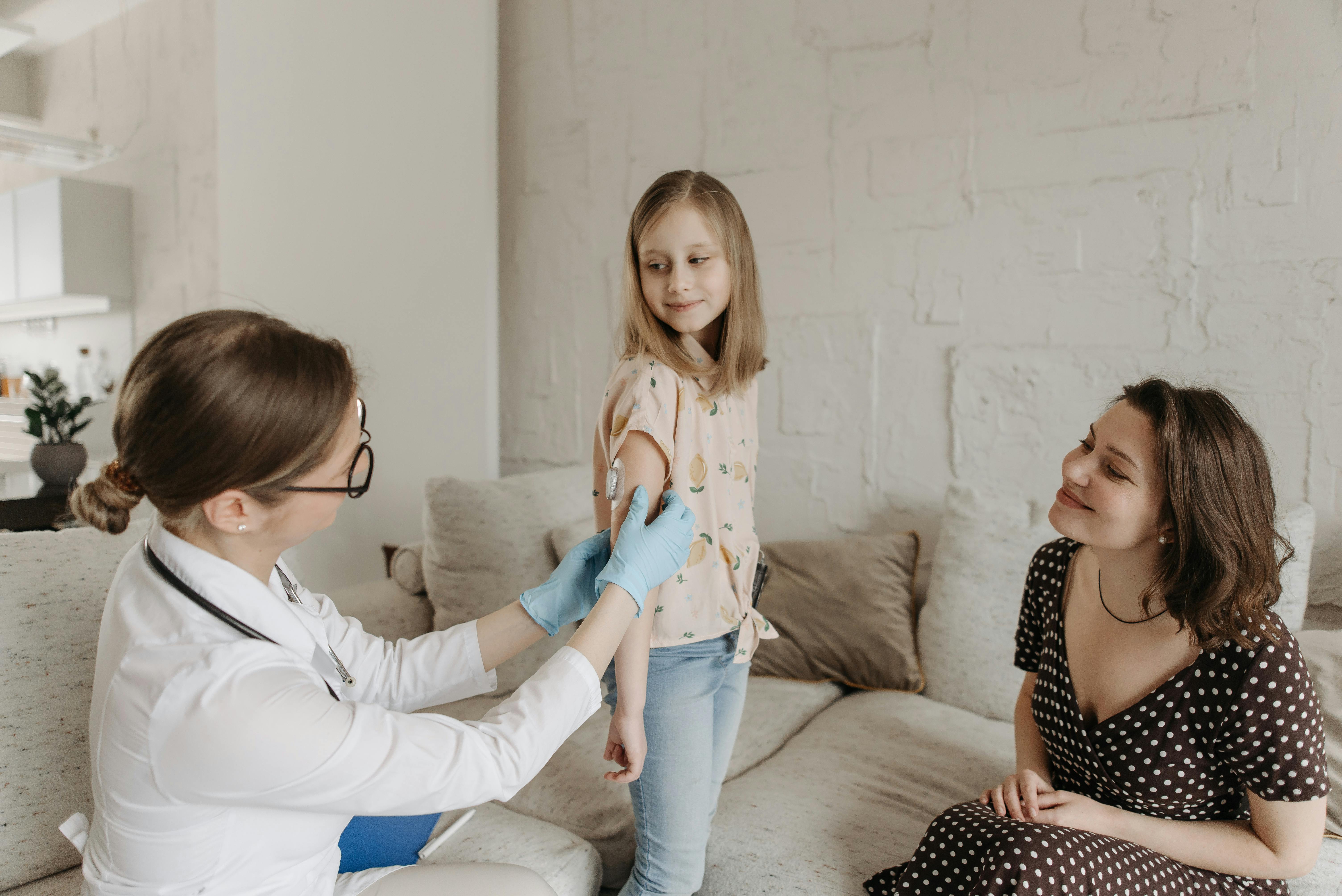
Why Early Health Shapes the Entire Future
Child health does not only mean being healthy. It is all about establishing a good foundation, physically, mentally, and emotionally, as early as in childhood up to the teenage years.
The events of these years have a direct influence on development, learning capacity, self-confidence and future happiness. The balanced approach to child health is as vital as ever in India, where lifestyles are changing, pressure on academic performance and exposure to digital media are mounting.
Growth and Brain Development Nutrition and Supplements
A child’s body and brain develop rapidly from infancy to adolescence. Good nutrition is a must.
Most essential nutrients should be ideally supplied in a balanced diet. This comprises proteins, healthy fats, carbohydrates, vitamins, and minerals. Nonetheless, certain children might need supplements because of the discrepancies in the style of life and diet.
Key nutrients include:
Protein for muscle growth and tissue repair
Strong bones and teeth: Calcium and Vitamin D.
Iron to develop the brain and to prevent fatigue.
Omega-3 to improve memory and cognitive abilities.
Immunity and general growth: zinc and B vitamins.
Supplements are not to be administered randomly. They are most appropriate when administered under the supervision of the doctor particularly in growing children.
Sources of these Nutrients
Natural food is always the best source.
A good nutritional foundation is given by home-cooked meals containing a combination of grains, pulses, vegetables, fruits, dairy, nuts, and seeds. When properly balanced, traditional Indian diets already have many of these nutrients.
Pediatricians may prescribe supplements to children with deficiencies or special needs. They are found in pharmacies and health care providers.
Government interventions such as mid-day meals, nutrition programs also contribute to better child health in various segments of the society.
Physical Health and Active Lifestyle
The children nowadays are more inactive than ever.
Exercise is not only necessary to maintain fitness but also mental health. Simple daily movement, sports, and outdoor play are beneficial in enhancing immunity, coordination, and strength.
Growing children are advised to take at least one hour of physical activity in a day. This minimizes the chances of obesity and lifestyle related problems in the future.
Mental Health and Building Confidence
Mental health is not given much attention in children yet it is equally vital as the physical health.
Confidence does not come naturally. It is influenced by the environment, communication and experiences. Children should feel listened to, supported and encouraged.
Simple practices can make a difference:
Promoting communication within the family.
Enabling children to give opinions.
Valuing hard work, not only outcomes.
Not necessarily being compared to others.
Teaching problem-solving and decision-making skills
Both the schools and the parents have a part to play in ensuring a safe and conducive environment.
The Role of Vaccination
One of the best methods of safeguarding children against severe illnesses is vaccination.
The Universal Immunization Programme in India is an initiative that immunizes children with the required vaccines at various developmental stages. These are immunity to diseases like polio, measles, hepatitis among others.
Vaccination is not only effective in protecting the individual child, but also in promoting the health of the community at large through prevention of infectious diseases.
Parents are advised to adhere to the suggested vaccination plan and update healthcare providers.
Education on Social Awareness at an Early Age
Health is not physical or mental, but is also social.
Children have to know about their environment, interactions, and duties. Social consciousness enables them become responsible and understanding individuals.
Key areas to concentrate on are:
Personal hygiene and cleanliness
Respect for others and diversity
Basic safety awareness (both physical and digital)
Knowledge of boundaries and consent.
When these lessons are taught at a tender age, they become life long habits.
Striking a Balance between Screen Time and Real Life
Digital exposure is now a part of childhood.
Although technology can be used to facilitate learning, too much screen time can influence sleep, attention span, and mental health. It is significant to establish boundaries and promote offline activities.
An activity routine with a combination of study, playing, sleep and family time can keep the general wellness.
A Comprehensive Child Health Approach
Child health is not something that can be done in bits. All of them are related to nutrition, physical activity, mental well-being, and social awareness.
Concentrating on a single aspect and neglecting others is unbalanced. An integrated strategy will make sure that children develop into healthy, confident, and capable individuals.
The Real Takeaway
It is more than ever that we need to be more aware of raising a healthy child.
It does not concern perfection. It is concerning consistency-balanced nutrition, physical activity, emotional support, healthcare on time, and good values.
Childhood is not a phase.
It forms the basis of all the other things.
