
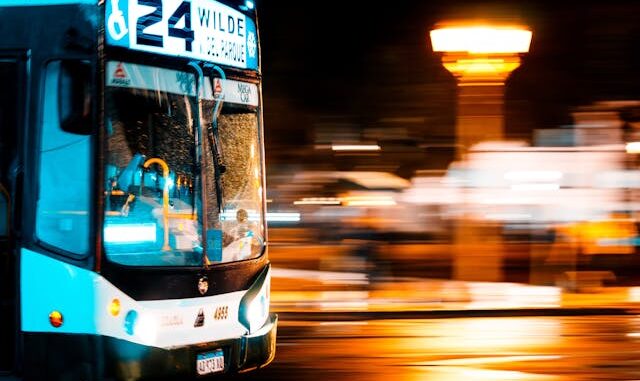

May 14: India is set to witness a major transformation in its public transport sector, with the share of electric buses projected to increase from around 7 per cent of annual bus sales at present to approximately 35–40 per cent by FY2035.
The shift reflects the country’s accelerating transition toward clean and sustainable mobility, supported by policy initiatives, infrastructure expansion, and growing adoption by public transport operators.
Electric buses are increasingly being preferred by state transport undertakings and city mobility providers due to their lower operating costs, improved energy efficiency, and reduced dependence on fossil fuels.
Officials and industry observers note that the growth of electric buses will be closely linked to the expansion of charging infrastructure, advancements in battery technology, and continued government support for green transport initiatives.
Significance of the Transition
The rising penetration of electric buses is expected to play a key role in reducing urban air pollution and cutting greenhouse gas emissions from the transport sector. This is particularly important for densely populated cities where public transport forms a major part of daily commuting.
The transition also supports India’s broader climate and energy goals by lowering diesel consumption and promoting cleaner mobility solutions.
In addition, the expansion of the electric bus ecosystem is expected to stimulate domestic manufacturing, create employment opportunities, and encourage investment in allied sectors such as charging infrastructure and battery production.
The development marks a significant step toward building a more sustainable, efficient, and future-ready public transport system in India.