
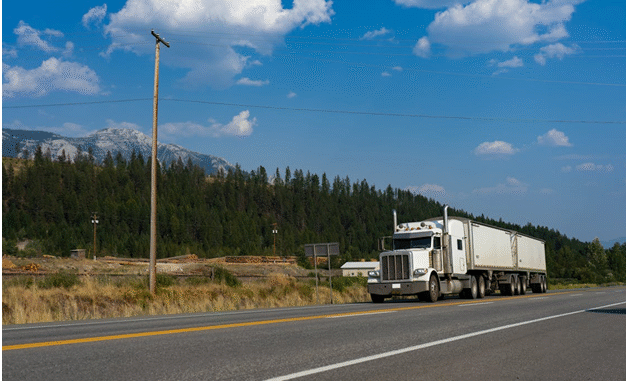

Image Source: pexels
A jackknife truck crash can cause life-changing injuries and overwhelming financial stress. When a large commercial truck folds at the trailer and blocks multiple lanes, the impact can be severe. Victims often face long recovery periods and significant medical costs. Filing a personal injury claim allows victims to get compensation for their losses.
Jackknife accidents are among the most dangerous types of truck collisions because they frequently involve multiple vehicles. The size and weight of the truck increase the force of impact. As a result, injuries tend to be more serious than in standard car accidents.
Common Injuries in a Jackknife Truck Crash
The force of a jackknife collision can cause both visible and hidden injuries. Some victims require emergency surgery, while others may not feel symptoms until days later.
Common injuries include:
- Traumatic brain injuries.
- Spinal cord injuries.
- Broken bones.
- Internal bleeding.
- Severe burns.
- Soft tissue injuries.
In some cases, victims suffer permanent disability. Emotional trauma and post-traumatic stress are also common after such crashes.
Why These Injuries Are Often Severe
Commercial trucks can weigh up to 80,000 pounds when fully loaded. When a trailer swings out and blocks traffic, smaller vehicles have little protection.
The sudden stop and twisting motion can trap or crush nearby cars. Multi-vehicle pileups are also more likely, which increases the number of injured people.
Because of this scale, medical treatment is often extensive and costly.
Medical Costs and Financial Impact
After a jackknife crash, medical expenses can grow quickly. Victims may face emergency room bills, surgeries, hospital stays, and ongoing rehabilitation.
Other financial losses may include:
- Lost wages from missed work.
- Reduced earning capacity.
- Ongoing physical therapy.
- Prescription medications.
- Home modifications for disabilities.
Even with insurance, out-of-pocket costs can become overwhelming.
Types of Compensation Available
Victims of a jackknife truck crash may be entitled to several types of compensation. The goal is to cover both financial losses and personal suffering.
Compensation may include:
- Medical expenses
- Future medical care
- Lost income
- Pain and suffering
- Emotional distress
- Property damage
In rare cases involving extreme negligence, punitive damages may also be awarded.
Proving Your Right to Compensation

Image Source: pexels
To recover compensation, you must prove that another party was legally responsible for the crash. This often requires showing that the truck driver, trucking company, or another party acted negligently.
Evidence may include police reports, black box data, driver logs, and witness statements. In many cases, accident reconstruction experts are needed to explain how the crash happened.
Because trucking companies act quickly to protect themselves, gathering evidence early is critical.
Shared Fault and Comparative Negligence
In some cases, insurance companies argue that the injured person shares part of the blame. Most states follow a comparative negligence rule.
Under this system, compensation can be reduced based on the percentage of fault assigned. For example, if a victim is found 20 percent responsible, the total award may be reduced by that amount.
Understanding your state’s laws is important because it directly affects your recovery.
Long-Term Impact on Victims
Beyond physical injuries, a jackknife crash can disrupt every part of life. Some victims cannot return to their previous jobs. Others may require ongoing medical support.
Emotional recovery can take just as long as physical healing. Anxiety, sleep problems, and fear of driving are common after serious truck accidents.
Because the impact can last for years, compensation should reflect both current and future needs.
Key Takeaways
- Jackknife truck crashes often cause severe and lasting injuries.
- Medical costs and lost income can create major financial strain.
- Victims may recover compensation for medical bills, lost wages, and pain and suffering.
- Strong evidence is needed to prove liability.
- Comparative negligence laws can affect the final compensation amount.
- Early legal action helps protect your right to full recovery.