
Why Socotra, Yemen Is Emerging as the World’s Most Unique Travel Destination

In a world where popular tourist destinations are often overcrowded, modern travelers are seeking remote, untouched landscapes that offer authenticity and adventure. One such extraordinary destination rising in global travel searches is Socotra — an island so surreal that it feels like stepping onto another planet. Often described as the “Galápagos of the Indian Ocean,” Socotra is gaining attention among adventure travelers, nature photographers, and eco-tourism enthusiasts looking for truly unique travel experiences in 2026. Where Is Socotra? Socotra is part of Yemen, located in the Arabian Sea, closer to the Horn of Africa than mainland Yemen. Despite its remote geography, the island has slowly opened up to carefully managed tourism, attracting travelers who crave raw, unfiltered natural beauty. What makes Socotra stand out globally is its biodiversity. Nearly one-third of its plant life cannot be found anywhere else on Earth. The Iconic Dragon’s Blood Trees The island’s most famous natural wonder is the alien-looking Dragon’s Blood Tree. These umbrella-shaped trees, scientifically known as Dracaena cinnabari, create landscapes unlike anywhere else in the world. Their red sap, historically used as medicine and dye, gives them their mythical name. Walking through these ancient forests feels cinematic—like exploring a prehistoric ecosystem frozen in time. For photographers and content creators, this alone makes Socotra one of the most Instagram-worthy yet undiscovered destinations globally. Pristine Beaches Without the Crowds Unlike commercial island destinations, Socotra’s beaches remain largely untouched. Powder-white sand dunes at Arher Beach Turquoise waters of Qalansiyah Beach Dramatic limestone cliffs overlooking the sea Natural infinity pools formed by freshwater streams There are no mega-resorts or crowded promenades—just nature in its purest form. For travelers seeking digital detox retreats or eco-conscious adventures, Socotra offers unmatched serenity. A UNESCO-Recognized Natural Treasure Socotra is recognized by UNESCO as a World Heritage Site due to its extraordinary biodiversity. The island hosts: 700+ endemic species Rare bird populations Unique marine ecosystems Distinct limestone cave systems This ecological significance positions Socotra among the world’s most important conservation destinations. Adventure Activities for Explorers Socotra is ideal for experiential travel rather than luxury tourism. Popular activities include: Hiking across the Haggier Mountains Camping under star-filled desert skies Snorkeling in crystal-clear coral reefs Exploring Hoq Cave’s ancient stalactites Off-road jeep expeditions across dunes Adventure tourism is one of the fastest-growing global travel segments, and Socotra fits perfectly into this trend. Why Socotra Is Trending in 2026 Several factors are contributing to Socotra’s growing popularity: Rising demand for offbeat destinations Increased interest in eco-tourism Social media exposure of rare landscapes Travelers seeking crowd-free alternatives Growth in sustainable travel movements As overtourism impacts traditional hotspots, destinations like Socotra are becoming highly desirable for conscious travelers. Is Socotra Safe for Tourists? Tourism to Socotra is conducted through organized tours with local guides. While mainland Yemen faces political challenges, Socotra operates separately in terms of tourism logistics and remains relatively stable for guided travel groups. Travelers are advised to: Book through authorized operators Follow updated travel advisories Respect environmental conservation guidelines Travel in organized groups Responsible tourism is essential to preserving the island’s fragile ecosystem. Sustainable Travel Matters Here Socotra’s untouched beauty is also its greatest vulnerability. Sustainable travel practices are strictly encouraged: Avoid plastic waste Respect wildlife habitats Support local communities Choose eco-conscious tour operators Travelers who visit Socotra become part of a growing movement to preserve rare ecosystems while experiencing extraordinary landscapes. Final Thoughts: A Destination Unlike Any Other In 2026, travel is no longer just about visiting landmarks—it’s about discovering places that redefine perspective. Socotra offers an experience that feels raw, rare, and transformative. For those searching for a truly unique travel destination far from mainstream routes, Socotra stands unmatched. As global travelers shift toward immersive, eco-conscious adventures, this hidden island gem may not remain secret for long.

Feb 27: In a world where popular tourist destinations are often overcrowded, modern travelers are seeking remote, untouched landscapes that offer authenticity and adventure. One such extraordinary destination rising in global travel searches is Socotra — an island so surreal that it feels like stepping onto another planet.

Often described as the “Galápagos of the Indian Ocean,” Socotra is gaining attention among adventure travelers, nature photographers, and eco-tourism enthusiasts looking for truly unique travel experiences in 2026.

Where Is Socotra?

Socotra is part of Yemen, located in the Arabian Sea, closer to the Horn of Africa than mainland Yemen. Despite its remote geography, the island has slowly opened up to carefully managed tourism, attracting travelers who crave raw, unfiltered natural beauty.

What makes Socotra stand out globally is its biodiversity. Nearly one-third of its plant life cannot be found anywhere else on Earth.

The Iconic Dragon’s Blood Trees

The island’s most famous natural wonder is the alien-looking Dragon’s Blood Tree. These umbrella-shaped trees, scientifically known as Dracaena cinnabari, create landscapes unlike anywhere else in the world.

Their red sap, historically used as medicine and dye, gives them their mythical name. Walking through these ancient forests feels cinematic—like exploring a prehistoric ecosystem frozen in time.

For photographers and content creators, this alone makes Socotra one of the most Instagram-worthy yet undiscovered destinations globally.

Pristine Beaches Without the Crowds

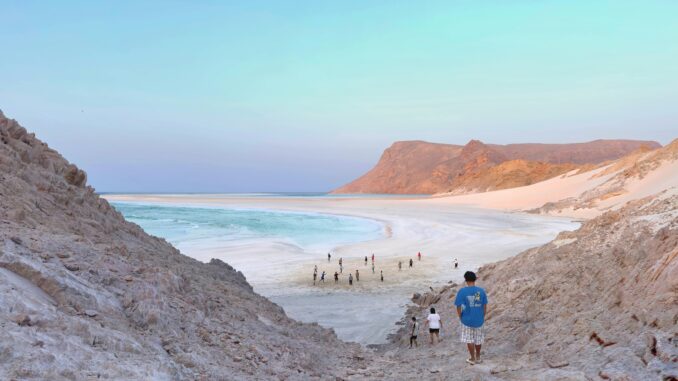
Unlike commercial island destinations, Socotra’s beaches remain largely untouched.

  • Powder-white sand dunes at Arher Beach
  • Turquoise waters of Qalansiyah Beach
  • Dramatic limestone cliffs overlooking the sea
  • Natural infinity pools formed by freshwater streams
  • There are no mega-resorts or crowded promenades—just nature in its purest form.

For travelers seeking digital detox retreats or eco-conscious adventures, Socotra offers unmatched serenity.

A UNESCO-Recognized Natural Treasure

Socotra is recognized by UNESCO as a World Heritage Site due to its extraordinary biodiversity. The island hosts:

  • 700+ endemic species
  • Rare bird populations
  • Unique marine ecosystems
  • Distinct limestone cave systems

This ecological significance positions Socotra among the world’s most important conservation destinations.

Adventure Activities for Explorers

Socotra is ideal for experiential travel rather than luxury tourism. Popular activities include:

  • Hiking across the Haggier Mountains
  • Camping under star-filled desert skies
  • Snorkeling in crystal-clear coral reefs
  • Exploring Hoq Cave’s ancient stalactites
  • Off-road jeep expeditions across dunes

Adventure tourism is one of the fastest-growing global travel segments, and Socotra fits perfectly into this trend.

Why Socotra Is Trending in 2026

Several factors are contributing to Socotra’s growing popularity:

  • Rising demand for offbeat destinations
  • Increased interest in eco-tourism
  • Social media exposure of rare landscapes
  • Travelers seeking crowd-free alternatives
  • Growth in sustainable travel movements

As overtourism impacts traditional hotspots, destinations like Socotra are becoming highly desirable for conscious travelers.

Is Socotra Safe for Tourists?

Tourism to Socotra is conducted through organized tours with local guides. While mainland Yemen faces political challenges, Socotra operates separately in terms of tourism logistics and remains relatively stable for guided travel groups.

Travelers are advised to:

  • Book through authorized operators
  • Follow updated travel advisories
  • Respect environmental conservation guidelines
  • Travel in organized groups

Responsible tourism is essential to preserving the island’s fragile ecosystem.

Sustainable Travel Matters Here

Socotra’s untouched beauty is also its greatest vulnerability. Sustainable travel practices are strictly encouraged:

  • Avoid plastic waste
  • Respect wildlife habitats
  • Support local communities
  • Choose eco-conscious tour operators

Travelers who visit Socotra become part of a growing movement to preserve rare ecosystems while experiencing extraordinary landscapes.

Final Thoughts: A Destination Unlike Any Other

In 2026, travel is no longer just about visiting landmarks—it’s about discovering places that redefine perspective. Socotra offers an experience that feels raw, rare, and transformative.

For those searching for a truly unique travel destination far from mainstream routes, Socotra stands unmatched.

As global travelers shift toward immersive, eco-conscious adventures, this hidden island gem may not remain secret for long.