
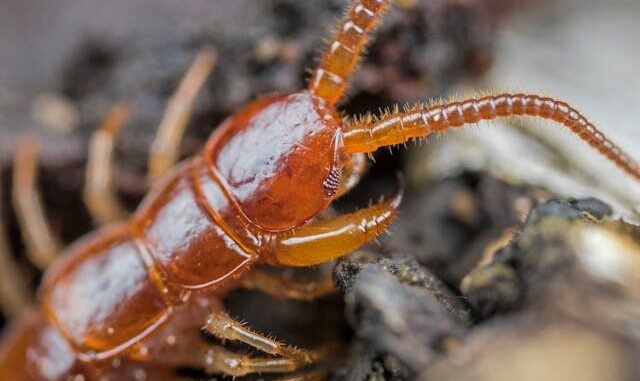

Centipedes are common household intruders that usually appear in search of food, moisture, and shelter. While they are not highly dangerous, their sudden appearance can be alarming. The good news is that with the right home maintenance practices, you can effectively prevent them from entering and spreading indoors.
Why Centipedes Enter Your Home
1. Searching for Food
Centipedes are predators that feed on other insects such as ants, spiders, cockroaches, and silverfish. If these pests are present in your home, centipedes are likely to follow.
2. Moist and Humid Environments
They are strongly attracted to damp areas. Bathrooms, kitchens, basements, and areas near leaking pipes provide ideal conditions for survival and breeding.
3. Dark and Hidden Spaces
Centipedes are nocturnal creatures and prefer darkness. They hide in cracks, corners, under furniture, and inside storage spaces where they are not easily disturbed.
4. Weather Changes
Extreme weather conditions like heavy rain, humidity, or sudden temperature shifts can force centipedes indoors in search of stable shelter.
How to Prevent Centipedes at Home
1. Control Other Household Pests
- Eliminate ants, cockroaches, and spiders
- Keep food sealed properly
- Dispose of garbage regularly
Reducing their food source automatically discourages centipedes.
2. Reduce Moisture and Humidity
- Use dehumidifiers in damp rooms
- Fix leaking taps and pipes immediately
- Ensure proper ventilation in bathrooms and kitchens
- Wipe wet surfaces regularly
Dry environments are less attractive to centipedes.
3. Seal Entry Points
- Close cracks in walls and floors
- Seal gaps around windows and doors
- Check openings near plumbing and electrical lines
Blocking entry routes prevents them from getting inside.
4. Maintain Clean and Clutter-Free Spaces
- Clean behind furniture and appliances
- Organize storage rooms and basements
- Avoid leaving dark, unused piles of clothes or boxes
Less clutter means fewer hiding places.
5. Improve Lighting in Hidden Areas
- Install proper lighting in basements and storerooms
- Use bright lights in damp corners
Centipedes prefer darkness, so reducing it helps discourage them.
6. Use Natural Deterrents
- Essential oils like peppermint or tea tree oil
- Vinegar sprays in corners and drains
- Natural repellents around entry points
These methods help reduce centipede movement indoors.
Conclusion
Centipedes are usually a sign of moisture or other insect problems inside the home. By controlling humidity, sealing cracks, eliminating pests, and maintaining cleanliness, you can significantly reduce their presence.
Consistent home maintenance is the key to keeping your space clean, dry, and centipede-free for the long term.