
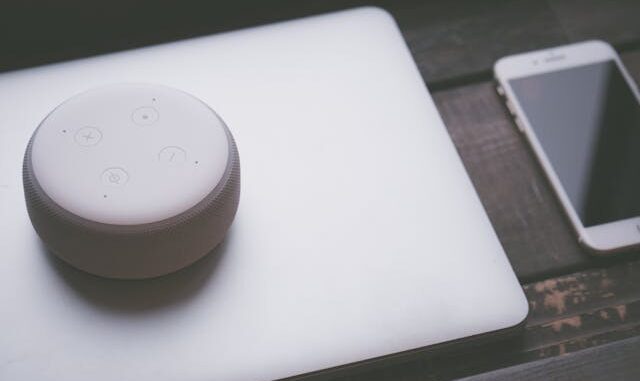

In 2026, technology is no longer something we consciously interact with—it is something that quietly runs in the background of daily life. From smart homes to wearable health devices, AI-powered gadgets are becoming deeply integrated into how people live, work, and manage their routines.
The modern home is no longer just a physical space. It has evolved into an intelligent environment that adapts to human behaviour, learns preferences, and responds automatically to everyday needs.
When you wake up, your smart speaker may already have completed a morning briefing—weather updates, calendar reminders, traffic conditions, and even personalised suggestions for the day. Meanwhile, connected devices in your home are already working in sync: lights adjust to natural daylight, coffee is prepared automatically, and your wearable device has already analysed your sleep quality.
This seamless coordination between devices reflects a major shift in consumer technology—towards automation, personalisation, and predictive intelligence.
Smart Homes in 2026: From Connected to Intelligent
Smart homes have moved far beyond simple voice commands or remote-controlled devices. Today, they function as adaptive systems that respond to patterns and behaviour.
Thermostats automatically adjust temperature based on time of day and usage habits. Smart lighting systems respond to natural light and room activity. Even refrigerators are now capable of tracking food usage, suggesting recipes, and notifying users about low stock or expiry dates.
Home security has also become more advanced. Modern systems can recognise familiar faces, detect unusual activity, and send real-time alerts with context, improving both safety and convenience.
The result is a home that does not just respond—it anticipates.
Wearable Technology: From Fitness Tracking to Health Intelligence
Wearable devices have evolved significantly beyond simple step counting or fitness tracking.
In 2026, smartwatches and health bands act as continuous health monitoring systems. They track heart rate, oxygen levels, stress patterns, sleep cycles, and daily activity in real time.
More importantly, these devices now interpret data rather than just collect it. Subtle changes in body patterns can trigger alerts, encouraging users to rest, hydrate, or seek medical attention when needed.
This shift has turned wearables into proactive health companions that support long-term wellness and early awareness.
Smartphones: The Central Hub of Digital Life
Despite the rise of new devices, smartphones remain at the core of the digital ecosystem.
In 2026, smartphones function as personal AI assistants that manage schedules, control smart home devices, and optimise daily routines. They learn user habits and provide predictive suggestions to improve productivity and convenience.
Advanced AI features allow phones to adjust settings automatically based on environment, reduce notification overload, and recommend actions based on context.
Camera systems have also become highly intelligent, offering professional-quality photography with AI enhancement. Augmented reality features now support shopping, navigation, education, and real-world interaction.
The smartphone is no longer just a communication device—it is a personal intelligence centre.
AI-Powered Gadgets: Everyday Devices That Learn and Adapt
Artificial intelligence has become the backbone of modern consumer gadgets.
From robotic vacuum cleaners to smart kitchen appliances, devices are now capable of learning user behaviour over time. They adapt to routines, optimise performance, and reduce manual effort.
A coffee machine can prepare beverages based on daily patterns. A vacuum cleaner can map a home and clean efficiently without supervision. Lighting systems adjust automatically based on activity and time.
These devices are not just smart—they are increasingly autonomous.
Health Tech: Continuous Monitoring and Early Insights
Health technology has shifted from occasional tracking to continuous monitoring.
Modern devices now analyse sleep quality, hydration levels, stress patterns, and cardiovascular indicators throughout the day. This allows users to gain deeper insights into their health without frequent clinical visits.
Early warning systems can detect unusual patterns and encourage preventive action, marking a major shift toward proactive healthcare.
Connected Ecosystems: Where Everything Works Together
The most significant change in 2026 technology is not individual devices, but how they connect.
Smart homes, wearables, smartphones, and appliances now operate as part of a unified ecosystem. Data flows between devices to create a seamless user experience.
This integration reduces manual effort, improves efficiency, and creates a more personalised lifestyle where technology adapts continuously to human needs.
Conclusion: The Rise of Invisible Technology
The defining feature of modern technology is its invisibility. In 2026, the most advanced systems are not the ones that demand attention, but those that quietly enhance everyday life.
As artificial intelligence becomes more embedded in consumer devices, technology is shifting from being a tool we control to a system that collaborates with us—making life smoother, smarter, and more intuitive than ever before.