

A stay in a traditional ryokan is one of the most authentic ways to experience the rich cultural heritage of Japan. More than just accommodations, ryokans represent centuries-old Japanese traditions rooted in hospitality, simplicity, mindfulness, and harmony with nature. These traditional inns offer travelers a peaceful retreat where every detail — from architecture to dining — reflects the essence of Japanese culture.
Originally established during the Edo period, ryokans served as resting places for travelers journeying across Japan. Today, they continue to preserve their timeless charm while offering guests an immersive cultural experience that modern hotels often cannot replicate.
Whether located near mountain landscapes, hot springs, or tranquil gardens, ryokans provide visitors with a deeper understanding of Japanese hospitality and lifestyle.
What Makes a Ryokan Unique?
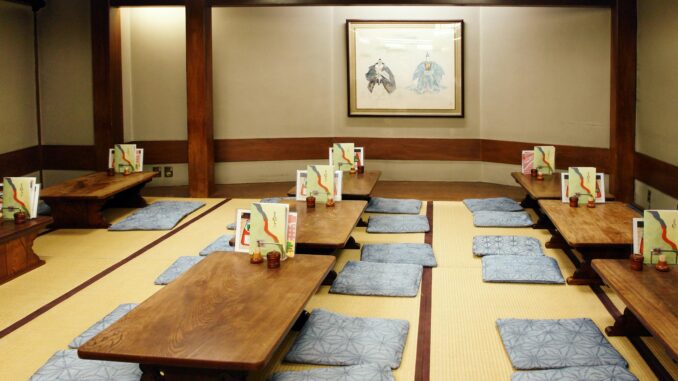
Unlike conventional hotels, ryokans are designed to create a calming and authentic atmosphere. Traditional interiors feature tatami mat flooring, sliding shoji doors, wooden furnishings, and minimalist décor that emphasize balance and serenity.
Guests typically sleep on futon bedding laid out on tatami floors, experiencing a style of living deeply connected to Japanese tradition. Many ryokans also provide yukatas, lightweight cotton robes that guests wear throughout their stay, adding to the cultural immersion.
The architectural simplicity of ryokans reflects the Japanese philosophy of appreciating beauty through minimalism and natural materials. Soft lighting, handcrafted interiors, and peaceful surroundings encourage relaxation and mindfulness.
The Art of Japanese Hospitality
Japanese hospitality, known as omotenashi, is at the heart of every ryokan experience. Staff members prioritize attentiveness, respect, and personalized service to ensure guests feel welcomed and comfortable.
From the moment visitors arrive, they are greeted warmly and guided through the customs of the inn. Every interaction is thoughtful and intentional, reflecting a deep cultural emphasis on care and hospitality.
The ryokan experience is not centered on luxury in the conventional sense but rather on creating harmony, comfort, and emotional connection. This level of service allows guests to fully unwind and appreciate the peaceful environment.
Kaiseki Dining: A Culinary Masterpiece
One of the highlights of staying in a ryokan is enjoying a traditional kaiseki meal. Kaiseki is a multi-course Japanese dining experience that showcases seasonal ingredients, artistic presentation, and refined culinary techniques.
Each course is carefully prepared to balance flavor, texture, color, and nutritional harmony. Ingredients are selected based on seasonal availability, allowing guests to experience the freshest local produce and regional specialties.
Typical kaiseki meals may include sashimi, grilled fish, simmered vegetables, rice dishes, miso soup, and delicately crafted desserts. Every dish is presented with exceptional attention to detail, transforming the meal into both a culinary and visual experience.
Kaiseki dining reflects Japan’s appreciation for nature, seasonality, and artistic expression, making it an unforgettable part of a ryokan stay.
Relaxation in Onsen Hot Springs
Many ryokans are located near natural hot springs, known as onsens, which are considered an essential part of Japanese wellness culture.
Soaking in an onsen provides numerous therapeutic benefits, including stress relief, muscle relaxation, and improved circulation. The mineral-rich waters, combined with peaceful surroundings, create a deeply rejuvenating experience.
Ryokans often feature both indoor and outdoor baths. Outdoor onsens, or rotenburo, allow guests to relax while enjoying scenic views of forests, mountains, rivers, or gardens. The soothing sound of flowing water and natural landscapes further enhance the sense of tranquility.
The onsen experience encourages mindfulness and relaxation, allowing travelers to disconnect from busy routines and reconnect with nature.
Understanding Ryokan Etiquette
Experiencing a ryokan also involves understanding and respecting Japanese customs and etiquette.
Guests are usually asked to remove their shoes before entering living areas, maintaining the cleanliness of tatami floors. Proper etiquette in communal baths includes washing thoroughly before entering the onsen and maintaining a quiet, respectful atmosphere.
Dining etiquette is equally important. Meals are often served in-room or in communal dining spaces, and guests are encouraged to appreciate the presentation and seasonal significance of each dish.
Simple gestures such as greeting staff politely and observing local customs contribute to a more meaningful and respectful cultural experience.
Immersive Cultural Experiences
Many ryokans offer activities that allow guests to engage more deeply with Japanese traditions. Visitors may participate in tea ceremonies, calligraphy workshops, kimono experiences, or guided cultural tours.
Traditional tea ceremonies introduce guests to the principles of harmony, respect, purity, and tranquility that define Japanese culture. Calligraphy sessions provide insight into the artistic elegance of Japanese writing.
Ryokans located near historic towns and temples often organize excursions that showcase local heritage, craftsmanship, and spiritual landmarks. These immersive experiences enrich the journey and create lasting memories.
Scenic Surroundings and Natural Beauty
One of the most enchanting aspects of staying in a ryokan is its connection to nature. Many ryokans are situated in breathtaking locations surrounded by mountains, forests, rivers, or coastal landscapes.
In Kyoto, traditional ryokans are often located near historic temples and bamboo groves, offering serene cultural surroundings. In mountain regions, guests can enjoy panoramic views of the Japanese Alps, while coastal ryokans provide peaceful oceanfront retreats.
The harmonious integration of architecture and natural scenery creates an atmosphere of calmness that enhances the overall experience.
Choosing the Perfect Ryokan
Selecting the right ryokan depends on personal preferences, travel goals, and budget. Some ryokans focus on luxury and private onsens, while others emphasize simplicity and traditional authenticity.
Travelers should consider factors such as location, meal options, bathing facilities, and nearby attractions. Ryokans located near hot spring towns or cultural landmarks often provide the most immersive experiences.
Reading guest reviews and researching available amenities can help visitors find accommodations that align with their expectations and desired level of comfort.
Why Staying in a Ryokan Is Unforgettable
A ryokan stay offers more than accommodation — it provides a meaningful cultural journey into the heart of Japan. The experience combines traditional hospitality, exceptional cuisine, natural beauty, and centuries-old customs in a way that leaves a lasting impression.
By embracing the simplicity and mindfulness of ryokan life, travelers gain a deeper appreciation for Japanese values and traditions. Whether enjoying a peaceful onsen bath, savoring a beautifully prepared kaiseki meal, or relaxing in a tatami room overlooking a garden, every moment contributes to a sense of tranquility and cultural connection.
For anyone visiting Japan, staying in a traditional ryokan is an unforgettable experience that captures the true spirit of Japanese hospitality.
