
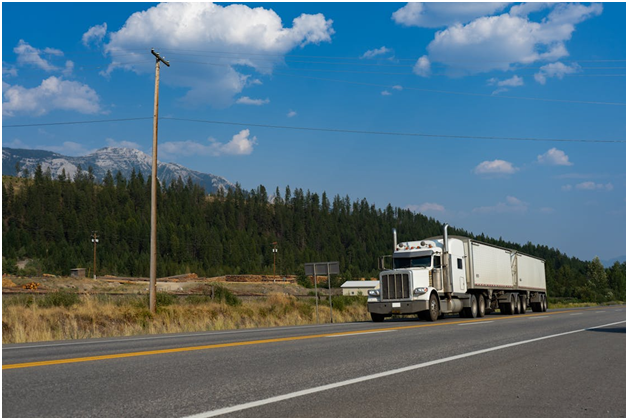

The Australian road freight sector is the backbone of the national supply chain, moving millions of tonnes of cargo across vast distances every year. As freight volumes continue to grow in a highly competitive market, logistics executives face the critical task of upgrading their heavy transport fleets to meet escalating consumer demands. Making the right capital investments in commercial vehicles and heavy-duty trailers is a strategic business decision that impacts everything from daily operational efficiency to long-term corporate profitability. Executives must navigate shifting environmental regulations, supply chain bottlenecks, and persistent economic pressures to ensure their fleets remain robust, adaptable, and financially sustainable. Understanding how to balance these factors is essential for any modern transport enterprise looking to expand its reach.
Integrating Physical Assets with Digital Logistics
Upgrading a commercial fleet is no longer just about replacing aging machinery with newer models. Today, physical equipment upgrades must work in tandem with the modernisation of fleet management strategies. Advanced software, real-time tracking, and predictive analytics have completely transformed how managers oversee scheduling, route optimisation, and preventive maintenance. Adopting new technologies alongside fresh fleet investments ensures that operators achieve maximum efficiency across the board. For example, utilising an AI co-pilot in modern supply chains drastically reduces logistical workloads and supports agile decision-making. When state-of-the-art vehicles are paired with these intelligent digital systems, companies can better monitor vehicle health, prevent unexpected breakdowns, and ensure that their expensive physical assets are performing at their absolute best.
Defining the Right Specifications for Your Fleet
When expanding or replacing physical equipment, decision-makers must rigorously evaluate durability, tare weight, and payload capacity. Australia features notoriously harsh conditions, from extreme outback heat to unpredictable coastal weather, which can rapidly degrade subpar machinery. These diverse environments demand heavy-duty transport bodies and tipping equipment that can withstand constant punishment over thousands of kilometres without compromising on driver safety or mechanical performance. Fleet managers need to closely align their specific operational requirements with the exact specifications of the equipment they intend to purchase. When evaluating the commercial market and comparing various truck trailers for sale, it is crucial to look beyond standard factory options and carefully consider custom-engineered solutions. Tailored transport configurations can significantly increase load volumes per trip, reducing the total number of journeys required to fulfil large contracts. Over time, this targeted approach significantly cuts down on fuel consumption, reduces unnecessary tyre wear, and minimises expensive labour hours, delivering a rapid return on investment.
Evaluating the Total Cost of Ownership
A major pitfall in transport procurement is placing far too much emphasis on the initial purchase price rather than the broader financial picture. Seasoned logistics executives know that a comprehensive lifecycle analysis is a far more accurate metric for measuring capital investment success. Evaluating total cost of ownership requires a holistic look at the full life cycle costs of the vehicle, from initial acquisition, financing, and insurance to daily running expenses, fuel efficiency, and eventual resale value. This methodology demonstrates that direct maintenance costs must be weighed alongside indirect operational impacts, a point frequently reinforced by safety and compliance data from authorities such as the National Heavy Vehicle Regulator. Excessive vehicle downtime or reduced cargo capacity caused by frequent breakdowns can quickly erode any perceived savings gained from buying cheaper equipment upfront. Prioritising long-term reliability and premium build quality ensures that the fleet remains consistently active and capable of generating revenue year after year.
Core Strategies for Equipment Procurement
To successfully navigate a fleet upgrade, corporate transport divisions should establish clear guidelines and strategic frameworks for procurement. Standardising the acquisition process helps mitigate financial risks and guarantees that all new assets align seamlessly with broader company goals. Consider the following critical steps when planning your next major fleet investment:
- Assess current fleet performance: Identify recurring maintenance issues and logistical bottlenecks in your existing lineup to understand exactly what mechanical improvements are necessary.
- Consult with drivers and operators: Frontline staff spend the most time with the equipment and can provide invaluable feedback on the ergonomics, handling, and safety features required for new purchases.
- Prioritise compliance and safety: Ensure all new acquisitions meet or exceed the latest heavy vehicle safety, weight distribution, and emissions standards regulated in Australia.
- Plan for future scalability: Invest in modular or adaptable transport solutions that can grow alongside your expanding logistics network and customer base.
Strategic capital investment in heavy transport equipment is absolutely essential for maintaining a competitive edge in today’s demanding logistics industry. By aligning new physical assets with modern digital management systems, thoroughly assessing the true total cost of ownership, and focusing on customisable durability, transport businesses can effectively future-proof their operations. Ultimately, a well-planned fleet upgrade improves supply chain resilience, boosts daily operational efficiency, and ensures that commercial logistics providers can confidently meet the escalating demands of a growing national market.