
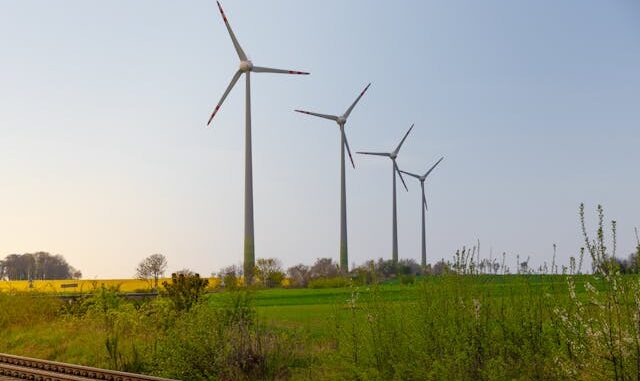

May 25: Rajasthan is fast emerging as a strategic centre for India’s drive toward energy self-reliance, with large-scale developments underway in critical minerals exploration and renewable energy expansion.
The state’s desert and adjoining regions are being recognised for their significant geological potential, including deposits of rare earth elements (REEs) in districts such as Balotra and surrounding hard-rock terrains. These minerals are essential for advanced technologies used in aerospace, defence systems, and clean energy applications.
The Siwana Ring Complex in Balotra is also drawing attention for its mineral richness, with elements such as niobium, zirconium, and hafnium—key inputs for nuclear energy systems and high-end industrial applications. In addition, lithium reserves identified in parts of Nagaur are expected to support India’s growing electric vehicle and battery manufacturing ecosystem.
Alongside mineral development, Rajasthan is strengthening its position as a renewable energy leader. With abundant sunlight throughout the year, the state hosts major solar energy projects, including large-scale solar parks in regions such as Jodhpur and upcoming integrated solar and battery storage projects in the Thar Desert.
Under its clean energy roadmap, Rajasthan aims to significantly expand renewable capacity by 2030, supporting India’s broader transition away from fossil fuels and improving long-term energy security.
The development push is being supported through national initiatives such as the Critical Mineral Mission, along with policy reforms that encourage private sector participation in mineral exploration and mining activities.
Officials said these combined efforts are positioning Rajasthan as a key contributor to India’s industrial, energy, and technological self-reliance goals, while also creating new opportunities for investment and employment in the region.