

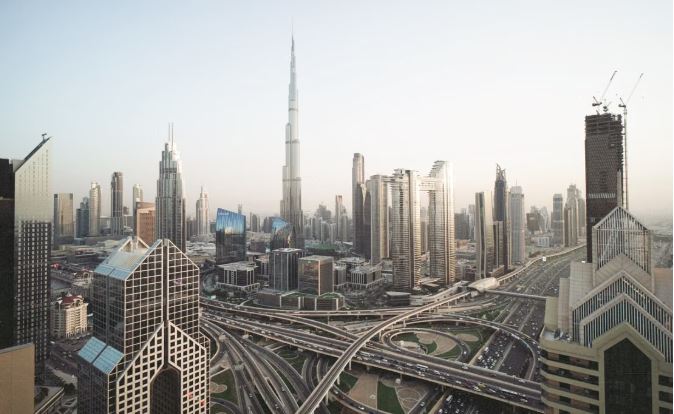
Dubai’s growing investment in smart city technology is creating new opportunities for businesses across artificial intelligence (AI), real estate, transport, construction and energy management. As the city expands its digital infrastructure, companies are finding new ways to use technology to improve services, reduce operating costs and develop new products.
The smart city initiative is part of Dubai’s wider economic development plans, which aim to attract investment, support innovation and strengthen the city’s position as a global business centre.
AI and Digital Services Drive Business Growth
Artificial intelligence is becoming an important part of Dubai’s business landscape. Companies are using AI to automate routine tasks, analyse data, improve customer service and make faster business decisions.
This creates opportunities for technology startups and established firms offering AI software, cloud services, cybersecurity and business automation tools. Small and medium-sized businesses can also benefit from these solutions by improving efficiency and reducing manual work.
Dubai’s startup ecosystem, supported by innovation hubs and business development programmes, is helping entrepreneurs develop and test new ideas.
Smart Buildings Create Opportunities in Real Estate
Technology is also changing Dubai’s real estate sector. Developers and property managers are increasingly looking at smart building systems that can monitor energy use, improve security and manage facilities more efficiently.
Digital tools such as property management platforms, virtual property tours and building monitoring systems are creating opportunities for businesses working in property technology, commonly known as PropTech.
For developers, these technologies can help control operating costs and improve the experience of residents and tenants. For technology companies, they offer a growing market for software, sensors and connected devices.
Transport and Construction Enter a New Phase
Dubai’s plans to expand autonomous transport and improve urban mobility are opening new areas for investment. Businesses working in transport technology, traffic management, electric mobility and connected infrastructure could benefit as the city develops more technology-driven services.
Construction is another important area. Digital design tools, automation and smart monitoring systems can help companies manage projects, reduce delays and use materials more efficiently. These solutions are particularly relevant as Dubai continues to develop residential, commercial and infrastructure projects.
Energy Efficiency Becomes a Business Priority
Smart city development also places greater emphasis on managing electricity and water consumption. Smart meters, automated building controls and energy monitoring systems can help businesses identify waste and lower utility bills.
Companies providing renewable energy solutions, efficient cooling systems and water management technology may find opportunities as demand grows for more sustainable buildings and infrastructure.
Challenges Remain for Businesses
Despite the opportunities, adopting smart city technology requires investment, skilled workers and reliable digital systems. Companies must also address cybersecurity risks and ensure that new technologies work with existing infrastructure.
For smaller businesses, the initial cost of adopting advanced systems can be a barrier. Affordable solutions, access to finance and partnerships with technology providers will be important in encouraging wider adoption.
A Growing Market for Innovation
Dubai’s smart city development is creating opportunities beyond large technology companies. Startups, construction firms, property managers and service providers can all benefit by offering practical solutions to everyday urban challenges.
As the city continues to invest in digital infrastructure, demand is likely to grow for technologies that improve efficiency, reduce costs and make urban services more reliable. For businesses, the opportunity lies not only in developing advanced technology but also in making it useful, affordable and accessible to a wider range of customers.
