
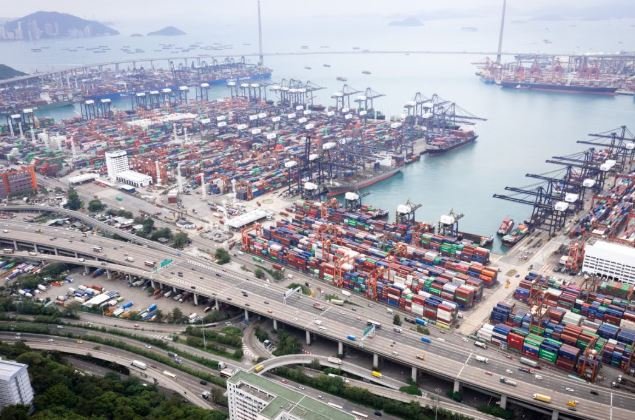
Singapore’s logistics industry is entering a new phase of digital transformation as artificial intelligence (AI) and automation reshape the movement, storage and management of goods. As one of the world’s important trade and logistics hubs, Singapore depends on efficient supply chains to support international commerce, manufacturing, retail and e-commerce. Businesses are increasingly turning to smart logistics solutions to manage operational pressures, improve productivity and strengthen their competitiveness.
The shift is being driven by several business challenges. Limited land availability, workforce constraints, rising operating expenses and the need for faster deliveries are encouraging logistics companies to rethink traditional operating models. AI-powered systems, warehouse robotics, automated transport and connected data platforms are helping businesses manage these demands with greater precision.
For logistics operators, the objective is not simply to introduce advanced technology. It is to reduce avoidable costs, make better use of infrastructure, improve delivery performance and create supply chains that can respond quickly to changing market conditions.
1. Smart Warehousing: Improving Storage Capacity and Productivity
Warehousing is one of the areas where automation is making a significant difference to Singapore’s logistics sector. With industrial space at a premium, companies need to maximise the use of available facilities while managing growing volumes of goods.
AI-powered warehouse management systems, robotics and automated storage solutions are helping businesses improve how products are stored, picked, sorted and dispatched.
Autonomous mobile robots can move goods across warehouse floors, while automated storage and retrieval systems use machinery, sensors and software to manage inventory. These technologies reduce the need for repetitive manual handling and help warehouse teams process orders more systematically.
High-density and vertical storage systems also allow businesses to make better use of limited floor space. Instead of expanding warehouse facilities, operators can improve storage capacity within existing buildings.
For companies handling large volumes of products, these improvements can support faster order fulfilment, more accurate inventory management and better use of warehouse resources.
However, automation requires investment in equipment, software integration and employee training. Businesses must assess whether the expected productivity gains justify the initial and ongoing costs.
2. Predictive Analytics: Making Supply Chains More Responsive
Managing inventory is a constant challenge for logistics companies, retailers and manufacturers. Excess stock increases storage and working capital costs, while shortages can disrupt deliveries and affect customer relationships.
AI-powered predictive analytics is helping businesses make more informed inventory decisions. By analysing historical sales, order patterns, seasonal demand and supply chain information, these systems can help companies estimate future requirements.
For logistics operators, better forecasting can improve warehouse planning, transportation schedules and resource allocation. Retailers and manufacturers can also use demand insights to coordinate purchasing and replenishment more effectively.
This is particularly valuable in Singapore, where businesses often manage goods moving through regional and international supply networks. Delays at one point in the supply chain can affect inventory availability and delivery commitments elsewhere.
AI does not eliminate uncertainty, but it can help businesses identify potential disruptions earlier and respond with better information.
3. Cold-Chain Logistics: Protecting Sensitive Products
Cold-chain logistics is another important area where connected technologies are improving supply chain management. Pharmaceuticals, medical supplies, food products and other temperature-sensitive goods require carefully controlled storage and transportation conditions.
IoT sensors can monitor temperature, humidity and other handling conditions throughout the journey. When connected with AI-powered analytics, these systems can help identify unusual changes and alert operators before products are exposed to potentially damaging conditions.
For businesses, this can reduce the risk of product loss, improve shipment visibility and support more reliable quality control.
The benefits are especially relevant to pharmaceutical distributors, healthcare suppliers, food companies and logistics providers handling specialised cargo.
As customers and business partners place greater importance on product safety and traceability, investment in reliable cold-chain monitoring can also strengthen commercial relationships.
4. AI-Powered Route Optimisation and Fleet Management
Transportation is a major component of logistics operating costs. Fuel consumption, vehicle utilisation, traffic conditions, delivery schedules and maintenance requirements all influence profitability.
AI-powered route optimisation tools can help logistics companies plan journeys more efficiently by considering traffic patterns, delivery locations, vehicle capacity and scheduling requirements.
Better planning can reduce unnecessary travel, improve vehicle utilisation and help businesses meet delivery commitments. Digital platforms can also support cargo matching and asset sharing, helping operators identify opportunities to reduce underused transport capacity and avoid unnecessary empty trips.
Fleet management systems provide additional operational visibility by tracking vehicle activity, delivery progress and maintenance requirements.
Singapore is also exploring the potential of autonomous mobility and connected transport technologies. Such developments could eventually support selected logistics operations, although wider adoption will depend on safety, infrastructure, regulation and commercial viability.
The business case for fleet automation is therefore broader than reducing travel time. It involves improving asset utilisation, managing delivery expenses and building more predictable transportation operations.
5. Digital Platforms and Paperless Trade: Connecting the Supply Chain
Singapore’s position as an international trading hub depends on the smooth movement of goods across ports, warehouses, customs systems and transport networks. Managing information across these activities can be complex when businesses rely on disconnected systems and manual documentation.
Digital logistics platforms are helping companies share shipment information, coordinate operations and improve visibility across supply chains.
Cloud-based systems can connect suppliers, logistics providers, transport operators and customers through more organised data exchanges. Digital documentation and automated processes can also reduce paperwork and help businesses manage trade-related information more efficiently.
For logistics companies, better data sharing can improve shipment tracking, reduce communication delays and make it easier to identify operational bottlenecks.
Paperless processes can also support businesses managing international shipments, where accurate documentation and timely information are essential.
The wider opportunity lies in creating a more connected logistics ecosystem in which different participants can coordinate activities using reliable and timely information.
6. Sustainability: Making Logistics More Efficient and Resource-Conscious
Sustainability is becoming an important consideration for logistics businesses as customers, regulators and commercial partners pay greater attention to environmental performance.
AI and automation can support this transition by helping companies optimise transport routes, improve vehicle utilisation, manage warehouse energy consumption and reduce unnecessary movement of goods.
Electric commercial vehicles and smarter fleet management systems can also contribute to efforts to reduce transport-related emissions. In warehouses, automated lighting, energy monitoring and more efficient equipment management can help operators understand and control energy consumption.
For businesses, these measures can offer both environmental and operational benefits. Better resource utilisation may reduce fuel and energy expenses while helping companies respond to growing demand for more sustainable supply chain services.
However, the environmental benefits depend on how technologies are implemented. The energy requirements of automated facilities, battery production, equipment replacement and digital infrastructure should also be considered when evaluating the overall impact.
7. Business Opportunities for Logistics Technology Providers
The adoption of AI and automation is creating opportunities beyond established logistics operators. Technology companies, software developers, engineering firms and specialist service providers can contribute to Singapore’s evolving logistics ecosystem.
Some promising areas include:
Warehouse automation solutions: Businesses can develop or supply robotics, automated storage systems, warehouse management software and equipment integration services.
AI-powered logistics software: Software providers can create platforms for route planning, shipment tracking, inventory forecasting and supply chain analytics.
IoT and cold-chain monitoring: Companies can offer connected sensors and monitoring solutions for pharmaceuticals, food and other sensitive products.
Fleet management technology: Technology providers can develop systems that help transport operators monitor vehicle performance, plan routes and manage maintenance.
Supply chain consulting: Specialist firms can help logistics businesses assess automation opportunities, integrate digital systems and improve operational processes.
Employee training and technical support: As logistics operations become more technology-driven, demand may grow for professionals who can operate, maintain and manage automated systems.
For startups and SMEs, these opportunities offer ways to participate in logistics innovation without necessarily operating large warehouses or transportation networks.
8. What Logistics Businesses Should Consider Before Investing in AI
Although AI and automation offer significant potential, adopting these technologies requires careful planning. High equipment costs, integration challenges, cybersecurity risks and employee training needs can affect the success of a project.
Businesses should begin by identifying the operational problems they want to solve. A warehouse struggling with order processing may benefit from automation, while a transport operator may achieve greater value through route optimisation and fleet management software.
A practical adoption strategy should include:
- Identify operational bottlenecks: Review where delays, unnecessary costs and manual errors are affecting performance.
- Assess the investment: Compare implementation costs with expected improvements in productivity, delivery performance and resource utilisation.
- Choose compatible systems: Ensure new technology can work with existing warehouse, transport and business management platforms.
- Prepare employees: Provide training so workers can operate and manage technology effectively.
- Protect business data: Strengthen cybersecurity and establish appropriate controls for connected systems and shared information.
- Measure results: Track operating costs, order accuracy, delivery times, warehouse productivity and asset utilisation.
For smaller logistics businesses, starting with targeted automation can be more practical than investing in a complete technology overhaul.
The Future of Singapore’s Logistics Industry
AI and automation are expected to become increasingly important to Singapore’s logistics and supply chain operations. As trade volumes, customer expectations and operational demands evolve, businesses will need more accurate information, better coordination and efficient use of infrastructure.
The next phase of development is likely to involve greater integration between warehouses, transport networks, inventory platforms and digital trade systems. This could give businesses better visibility across the supply chain and help them respond more quickly to disruptions.
For logistics companies, technology adoption will increasingly influence operating efficiency and competitiveness. For technology providers and startups, it will create opportunities to develop solutions for warehousing, fleet management, data analytics and supply chain visibility.
However, the success of this transformation will depend on more than advanced equipment. Businesses will need skilled employees, reliable infrastructure, effective data management and commercially sound investment decisions.
Conclusion
AI and automation are changing Singapore’s logistics industry by improving warehouse productivity, strengthening inventory planning, optimising transportation and connecting supply chain operations. These developments can help businesses manage operating costs, make better use of limited resources and deliver more reliable services.
For logistics operators, the opportunity lies in using technology to solve practical challenges rather than adopting automation simply to follow industry trends. For startups and technology providers, the shift is opening new areas for innovation and business growth.
Ultimately, the future of Singapore’s logistics industry will depend on how effectively businesses combine AI, automation and human expertise. Companies that make this transition thoughtfully will be better positioned to build efficient, resilient and competitive supply chains.
