
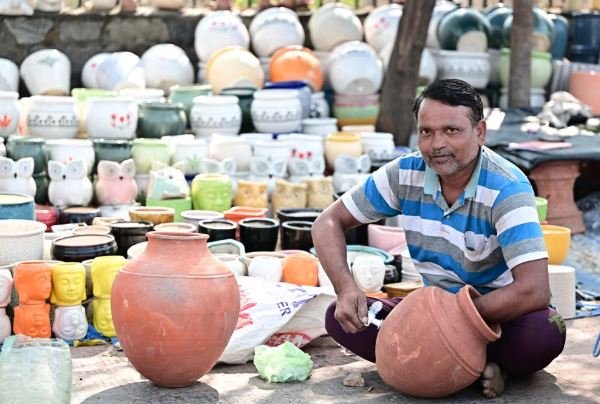
For many small businesses in Odisha, finding regular customers is one of the biggest challenges. A manufacturer may have the capacity to produce quality goods, a food-processing unit may be ready to expand its supply network, and a local enterprise may offer services that meet institutional needs. Yet reaching large buyers and securing consistent orders is not always easy.
Government procurement offers another route to business growth. Departments, public-sector organisations, educational institutions and local bodies regularly purchase products and services to meet their operational requirements. These purchases create opportunities for businesses that can meet the required standards, pricing and delivery conditions.
However, government tenders can appear complicated to first-time applicants. Registration procedures, technical documents, eligibility conditions and financial requirements often discourage smaller enterprises from participating. Odisha’s procurement preference policy and national digital platforms are intended to make this market more accessible to eligible businesses.
For local entrepreneurs, understanding government procurement for Odisha MSMEs can be the first step towards reaching a wider customer base, securing institutional orders and building long-term business credibility.
Why Government Procurement Matters for Odisha’s Small Businesses
A government order can mean more than a one-time sale for a small enterprise. It can help a business plan production, manage inventory, maintain employment and build a track record with institutional customers.
Consider a small manufacturing unit supplying furniture, uniforms, electrical equipment or other essential goods. An institutional contract can provide an opportunity to increase production and develop relationships with suppliers, transporters and workers. Similar opportunities exist for eligible enterprises across food processing, engineering, textiles and other manufacturing activities.
Odisha has a large base of registered small businesses. As of February 2026, approximately 24.37 lakh enterprises were registered through the Udyam and Udyam Assist platforms in the state, according to the Ministry of MSME. This combined figure includes formal MSMEs and informal micro enterprises registered through Udyam Assist.
Connecting more of these businesses with institutional demand could help strengthen local supply chains and encourage enterprises to grow beyond their traditional markets.
Odisha’s Procurement Policy Gives Local Manufacturers an Opportunity
One of the important steps towards improving market access is the Odisha Procurement Preference Policy for Micro and Small Manufacturing Enterprises, notified in January 2024.
The policy is designed to encourage government departments and specified public institutions to purchase eligible goods from local manufacturing enterprises. It provides procurement preferences to qualifying Odisha-based micro and small manufacturers that meet the prescribed conditions.
Eligible enterprises must have valid Udyam registration and satisfy the applicable investment and turnover requirements. The policy specifies limits of up to ₹10 crore in plant and machinery investment and annual turnover of up to ₹50 crore, subject to its other eligibility conditions.
The preference mechanism can give local manufacturers an opportunity even when they are not initially the lowest bidder. In specified open tenders, an eligible Odisha manufacturer whose quotation falls within the prescribed price range may be allowed to match the lowest bid and receive a share of the order, subject to the policy’s allocation rules.
Certain products are also covered under exclusive purchase arrangements for eligible local enterprises.
For small manufacturers, these provisions can improve access to public-sector demand. However, the policy is specifically relevant to eligible goods manufactured by qualifying local enterprises. It should not be treated as a blanket preference for every service or works contract.
GeM Is Making Government Purchasing More Accessible
Finding government buyers once required businesses to depend heavily on tender notices, departmental contacts and manual processes. Digital procurement has changed the way many public-sector purchases are conducted.
The Government e-Marketplace, commonly known as GeM, provides an online platform where government buyers can purchase eligible goods and services. Registered sellers can list products, respond to bids and explore opportunities from different government organisations.
The platform’s growing role is reflected in national procurement figures. MSME procurement through GeM reached approximately ₹2.37 lakh crore in FY 2025–26, compared with around ₹1.96 lakh crore in FY 2024–25. These are national figures, but they indicate the scale of institutional purchasing available to MSME suppliers across India.
For an Odisha-based business, GeM can provide access to buyers beyond its immediate district or local market. A manufacturer that previously supplied only nearby retailers may be able to explore institutional demand from other parts of the country.
Odisha has also clarified that its procurement preference policy should apply to eligible purchases by state government authorities irrespective of the procurement method, including purchases through GeM. This is an important point for local manufacturers because participation through a digital platform does not automatically remove applicable state-level procurement preferences.
Financial Relaxations Can Make Tender Participation Easier
For smaller businesses, the cost of participating in a government tender can be a major concern. Tender fees, earnest money deposits, performance security and eligibility requirements can put pressure on limited financial resources.
Odisha’s procurement policy provides specified relaxations for eligible local manufacturers. These include concessions relating to past work experience, turnover requirements and performance security.
Such measures can make it easier for smaller and newer enterprises to compete for suitable orders. They can also help businesses that have the production capability but have not yet built an extensive institutional supply record.
However, exemptions are not automatic across all government tenders. Their availability depends on the applicable procurement rules, the type of purchase and the conditions stated in the tender document. Businesses should verify their eligibility before submitting a bid.
How MSMEs Can Get Started with Government Procurement
Entering the government procurement market does not have to begin with a large contract. Businesses can start by completing the necessary registrations and identifying tenders that match their actual capabilities.
1. Obtain Udyam Registration
Udyam registration establishes an enterprise’s MSME status under the central registration framework. Businesses should ensure that their details and classification are accurate and updated.
2. Register on GeM
Eligible businesses can create seller accounts on the Government e-Marketplace and complete the required onboarding formalities. Product details, service descriptions, banking information and other required documents should be submitted accurately.
3. Understand Odisha’s procurement policy
Local manufacturers should review the Odisha Procurement Preference Policy and confirm whether their enterprise and products qualify. They should pay particular attention to the local manufacturing requirements and prescribed documentation.
4. Track suitable tenders
Businesses should regularly monitor GeM, the Odisha MSME Department, the Finance Department and relevant government agency websites. Rather than applying for every available opportunity, they should focus on contracts that match their products, workforce and production capacity.
5. Prepare documents and calculate costs
Before submitting a bid, businesses should organise their registration certificates, financial records, product specifications and quality documents. Pricing should account for raw materials, labour, transportation, taxes, packaging and other delivery expenses.
6. Deliver consistently
Winning a tender is only the beginning of the business relationship. Meeting quality standards, following delivery schedules and maintaining clear communication can help suppliers build credibility and improve their chances of securing future orders.
Working Capital Remains an Important Business Consideration
Even when a small business wins a government contract, fulfilling the order can require considerable upfront spending. Manufacturers may need to purchase raw materials, pay workers, arrange packaging and cover transportation costs before receiving payment.
This makes working capital planning essential.
Recent policy measures are seeking to improve access to finance for MSMEs. The Union Budget 2026–27 announced steps involving the Trade Receivables Discounting System (TReDS), including measures to strengthen invoice discounting and integrate GeM with the platform. These initiatives are intended to improve financing opportunities against eligible receivables.
For MSMEs, such developments could make it easier to manage cash flow after supplying goods to institutional buyers. However, businesses should check the applicable implementation arrangements and eligibility requirements before relying on these facilities.
The Benefits Can Reach Beyond the Business Winning the Contract
When a local enterprise receives a government order, the economic impact can extend to several other businesses. A furniture manufacturer may purchase materials from local suppliers and depend on transport operators for delivery. A textile unit may generate work for stitching workers, fabric suppliers and packaging businesses.
This creates a wider network of economic activity around public procurement.
Stronger local purchasing can also encourage manufacturers to improve product quality, invest in equipment and build more organised production systems. Over time, these improvements may help businesses compete not only for government contracts but also for larger private-sector customers.
For Odisha, improving the participation of local enterprises in public procurement can therefore support employment, entrepreneurship and the development of local manufacturing capabilities.
Turning Procurement Opportunities into Sustainable Growth
Government procurement should not be viewed simply as another tendering process. For Odisha’s MSMEs, it can provide access to a large institutional market and create opportunities to build stronger businesses.
The state procurement preference policy, GeM and emerging financing initiatives provide useful support, but businesses must be prepared to make the most of them. Accurate registrations, proper documentation, realistic pricing and dependable delivery remain essential.
Government procurement for Odisha MSMEs has the potential to become a meaningful growth channel when policy support is matched by business readiness. By learning how the system works and participating in suitable tenders, local enterprises can reach new buyers, strengthen their operations and create opportunities for employment.
The larger opportunity is to ensure that more of Odisha’s small businesses are not just aware of government schemes but are also equipped to become reliable suppliers in the state’s growing economy.
