
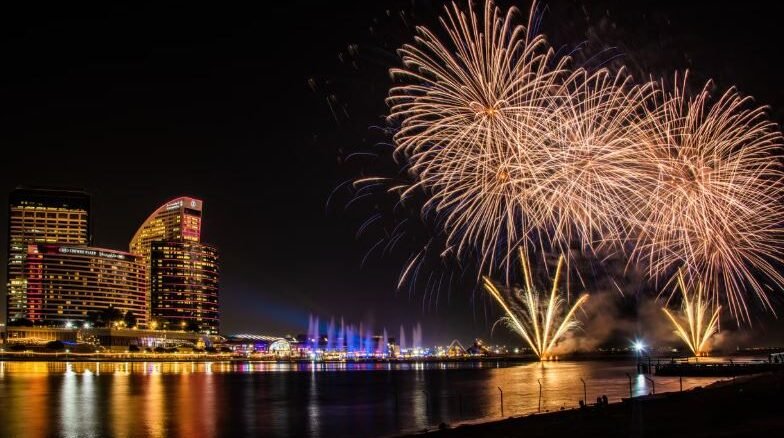
Dubai is increasingly using international events and entertainment to strengthen its position as one of the world’s leading tourism and business destinations. What was once widely recognised for luxury shopping, iconic attractions and high-end hospitality is now developing into a year-round destination for music festivals, sporting competitions, cultural celebrations, exhibitions and large-scale entertainment experiences.
This transformation is creating a wider economic impact beyond the tourism industry. As more international visitors travel to Dubai for concerts, festivals and sporting events, demand is increasing across hotels, restaurants, retail outlets, transportation, event management and other supporting services. For businesses, the growing events market offers opportunities to reach new customers, increase revenue and develop services around changing visitor preferences.
The expansion of the Dubai festival economy also reflects the emirate’s broader strategy of diversifying tourism and strengthening its international appeal. Instead of relying only on traditional holiday travel, Dubai is attracting visitors through experiences that encourage longer stays, higher consumer spending and repeat visits.
Dubai welcomed approximately 19.59 million international overnight visitors in 2025, representing a 5% increase over the previous year. Hotel occupancy reached 80.7%, highlighting the continued strength of the city’s hospitality sector. The growing calendar of international events is contributing to this tourism momentum while creating commercial opportunities across the wider economy.
International Events Are Reshaping Dubai’s Tourism Industry
International events have become an important part of Dubai’s tourism development. The city hosts a diverse range of programmes throughout the year, including shopping celebrations, live music performances, fitness campaigns, cultural gatherings and international sporting competitions.
Established events such as the Dubai Shopping Festival, Dubai Summer Surprises and Dubai Fitness Challenge attract residents and overseas visitors while encouraging spending across different consumer categories.
For the tourism industry, this approach creates opportunities to attract travellers beyond traditional holiday periods. Visitors planning trips around particular festivals or competitions bring additional demand for accommodation, restaurants, transportation and local experiences.
This also changes how tourism businesses approach their customers. Hotels can introduce event-related accommodation packages, travel operators can develop customised itineraries, and restaurants can create special dining experiences to attract visitors.
The commercial value lies in connecting entertainment with the wider visitor experience. A concert or festival may attract people to Dubai, but their spending across accommodation, shopping, dining and leisure activities generates economic activity for several industries.
Tourism Spending Is Creating a Wider Business Ecosystem
The economic contribution of Dubai’s events industry extends far beyond ticket sales and event venues. Every major gathering creates demand for a network of businesses involved in planning, organising and delivering the visitor experience.
Hotels, restaurants, cafés, transport operators, shopping centres and travel agencies are among the direct beneficiaries. At the same time, businesses providing security, cleaning, logistics, equipment rental, advertising and technical support also participate in the event supply chain.
The scale of this opportunity is reflected in the business events industry. In 2025, major events hosted at Dubai World Trade Centre generated an estimated AED25 billion in economic output. The impact extended across hospitality, transportation, retail, food services and other supporting sectors.
For businesses, this demonstrates the importance of event-led consumer activity. A successful international event can generate demand for services across multiple industries, creating opportunities for established companies as well as smaller service providers.
The expansion of this ecosystem is also encouraging businesses to develop specialised offerings. Companies that provide event logistics, temporary staffing, digital ticketing, customer management and visitor transportation can benefit from increasing demand for professional event services.
Retail and Hospitality Are Benefiting from Festival-Led Spending
Retail and hospitality remain two of the most important sectors benefiting from Dubai’s expanding festival calendar.
Shopping celebrations encourage consumers to explore malls, discover new brands and participate in seasonal promotions. For retailers, these events offer opportunities to increase footfall, introduce new products, attract international shoppers and improve sales during key trading periods.
Dubai’s 2026 retail calendar features 18 citywide events, bringing together shopping, entertainment and lifestyle experiences. Such programmes strengthen the relationship between tourism and retail by giving visitors additional reasons to explore commercial destinations.
Hotels are also benefiting from the growing demand for event-related travel. Accommodation providers can introduce promotional packages, premium experiences and extended-stay offers to attract different categories of visitors. Restaurants and cafés can use festivals and major events to launch special menus, themed dining experiences and promotional campaigns.
Smaller businesses can participate through temporary retail outlets, food stalls, merchandise, pop-up stores and event-related services. These platforms provide emerging brands with an opportunity to introduce their products to larger audiences without immediately committing to permanent retail locations.
However, businesses must balance revenue opportunities with operational expenses. Higher customer demand can also increase inventory requirements, staffing costs, marketing expenditure and temporary rental charges. Effective planning and cost management are therefore essential to maintaining profitability during major festival periods.
Music, Sports and Cultural Entertainment Are Expanding Market Opportunities
Dubai’s entertainment industry is becoming increasingly diverse, helping the city attract visitors with different interests and spending preferences.
International concerts, live performances, sporting competitions, cultural festivals and gaming events are broadening the city’s appeal. This diversification is important because it allows tourism businesses to target different customer segments throughout the year.
Music enthusiasts may travel specifically for international performances, while families may choose Dubai for seasonal celebrations and lifestyle festivals. Sports enthusiasts and participants may plan their visits around major competitions.
This growing demand is supporting opportunities for event organisers, production agencies, marketing companies, creative professionals and technical service providers.
Businesses involved in sound engineering, stage construction, lighting, security, photography and crowd management are becoming important parts of the wider entertainment supply chain. International productions also create opportunities for local creative professionals to work with global organisers and reach new audiences.
Digital entertainment is adding another dimension to this market. Esports, gaming competitions and technology-driven experiences are attracting younger audiences while creating opportunities in sponsorship, advertising, digital content and event technology.
As the entertainment market expands, businesses that can combine creativity with reliable service delivery are likely to find opportunities across different event categories.
Small Businesses and Startups Can Tap into Dubai’s Festival Economy
The expansion of Dubai’s events industry is not limited to large hotel groups, shopping destinations or international entertainment companies. Small businesses and startups can also participate by supplying products and services required before, during and after major events.
Entrepreneurs can explore opportunities in catering, photography, merchandise, transportation, temporary retail, event staffing, travel assistance and digital marketing. Businesses developing ticketing platforms, customer engagement software and event management solutions can also benefit as organisers increasingly depend on technology to manage visitors and improve operations.
For smaller companies, partnerships can provide a practical entry point. Working with established hotels, event organisers, tourism operators and retail destinations can help startups access customers without taking on the financial burden of organising large events independently.
There is also potential for local food brands, fashion labels, handicraft businesses and creative entrepreneurs to use temporary event spaces to introduce their products to international visitors.
However, entering this market requires proper commercial planning. Businesses need to understand licensing requirements, participation costs, supplier agreements and customer expectations. They must also have sufficient operational capacity to manage sudden increases in demand.
For startups, the strongest opportunities may come from solving specific problems within the event ecosystem rather than competing directly with established organisers.
Digital Marketing Is Strengthening the Commercial Value of Events
Digital platforms are changing how international events are promoted and how businesses connect with visitors.
Social media campaigns, influencer collaborations, online ticketing and targeted advertising allow organisers to reach potential audiences across international markets. Visitors increasingly discover festivals and entertainment experiences through online videos, travel content, reviews and recommendations.
This creates additional opportunities for hotels, restaurants, retailers and tourism companies to promote their offerings alongside major events.
For example, a hotel can target visitors searching for accommodation during a concert, while restaurants can promote dining packages to people attending nearby entertainment venues. Retailers can also use digital campaigns to attract festival visitors to seasonal shopping offers.
Technology is improving the customer experience as well. Digital ticketing, cashless payments, mobile applications and personalised event information help make large gatherings more convenient.
For businesses, these tools can provide useful insights into customer preferences, purchasing behaviour and campaign performance. Such information can support better marketing decisions and help companies build longer-term relationships with visitors.
Business Events Are Attracting Investors and International Companies
Dubai’s events economy is not driven by entertainment alone. International exhibitions, trade fairs, conferences and professional gatherings are also strengthening the city’s position as a global business destination.
These events bring together investors, entrepreneurs, corporate executives, industry professionals and international delegations. Their spending extends beyond event participation to include hotels, restaurants, transportation, business services and leisure activities.
Dubai secured 504 successful bids for international business events in 2025. These events are expected to attract more than 272,000 delegates through 2029, creating a strong pipeline of activity for the hospitality and business services sectors.
For companies, international business gatherings offer opportunities to establish partnerships, meet potential investors, identify suppliers and explore new markets. Startups can use these platforms to present their solutions, connect with industry leaders and build commercial relationships.
The combination of business and leisure tourism further strengthens Dubai’s appeal. Visitors attending professional gatherings may extend their stays to explore the city, while corporate delegations can combine meetings with entertainment and hospitality experiences.
This creates a commercial environment in which tourism, investment and business networking increasingly support one another.
Challenges That Could Affect Business Growth
Although Dubai’s festival economy offers considerable commercial potential, businesses must also consider the challenges associated with operating in a competitive events market.
Organising large-scale festivals requires investment in infrastructure, technology, security, logistics, staffing and promotion. Event organisers must coordinate multiple service providers while maintaining visitor safety and service quality.
For participating businesses, higher footfall does not necessarily guarantee stronger profits. Temporary rental charges, inventory expenses, marketing costs and additional staffing requirements can put pressure on margins.
Competition is another important factor. As more brands participate in major festivals, businesses need to differentiate their products and services. Heavy discounting alone may not create customer loyalty or sustainable revenue growth.
Sustainability is also becoming an important consideration. Large events generate significant requirements for transportation, energy, food services and waste management. Organisers and participating companies need to adopt responsible operating practices while ensuring smooth visitor experiences.
Businesses that prepare realistic budgets, understand customer demand and maintain consistent service standards will be better positioned to manage these challenges.
The Future of Dubai’s Festival and Entertainment Economy
Dubai’s expanding events calendar is creating a business ecosystem in which tourism, hospitality, retail, entertainment and international investment increasingly work together.
The city’s ability to attract international visitors through diverse experiences is opening opportunities for businesses across established industries as well as emerging sectors. From hotel operators and retailers to event technology startups and local creative enterprises, a growing number of companies can participate in this expanding market.
The next stage of growth will depend on attracting high-quality international events, strengthening partnerships between public and private stakeholders, improving digital engagement and creating greater opportunities for local businesses.
For entrepreneurs and investors, the festival economy presents opportunities to develop specialised services, establish commercial partnerships and respond to the changing expectations of international travellers.
Ultimately, the success of Dubai’s events industry cannot be measured only by attendance figures or ticket revenue. Its wider economic contribution is reflected in hotel bookings, restaurant sales, retail spending, employment opportunities, business partnerships and investment activity.
As Dubai continues to strengthen its global position as a tourism and entertainment destination, its festival economy is becoming an increasingly important contributor to commercial growth, creating opportunities that extend well beyond the event venues themselves.
