
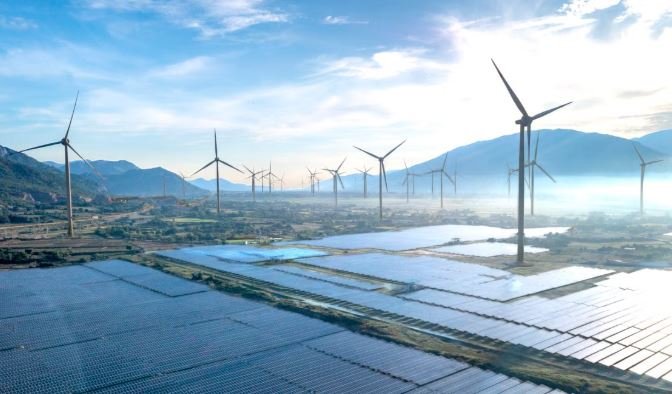
Ireland’s renewable energy market is creating a new wave of business opportunities as industries seek reliable, affordable and cleaner sources of electricity. Growing power consumption from data centres, manufacturing, commercial buildings and transport is increasing the need for investment in solar generation, wind farms and energy storage. For businesses, this shift represents more than an environmental transition. It is opening up opportunities across infrastructure, technology, engineering, equipment supply and energy services.
Ireland has set a target of generating 80% of its electricity from renewable sources by 2030. Reaching this ambition will require significant investment in new generation capacity, stronger grid connections and technologies that can balance electricity supply with changing demand. As a result, renewable energy is becoming an increasingly important part of the country’s industrial and investment landscape.
Industrial Demand Is Creating a Stronger Market for Clean Energy
The growth of energy-intensive industries is changing Ireland’s electricity requirements. Data centres, advanced manufacturing facilities and large commercial operations need substantial amounts of power to maintain continuous business activity. At the same time, companies face pressure to manage operating costs, improve energy efficiency and meet environmental commitments.
This is encouraging businesses to explore different ways of securing electricity. Some are considering direct investment in renewable energy installations, while others are entering long-term power purchase agreements with energy producers. These arrangements can help companies manage exposure to electricity price fluctuations and make their energy supply more sustainable.
The increasing demand for clean power also creates a wider market for developers, equipment suppliers, engineering contractors and technology companies. Businesses that can provide practical solutions to industrial energy requirements are well positioned to participate in this changing market.
Solar Energy Is Opening New Opportunities for Commercial Properties
Ireland’s solar sector has moved beyond small residential installations and is attracting growing interest from commercial and industrial users. With installed capacity surpassing 3 GW, the market is developing across utility-scale projects, business premises and rooftop systems.
For factories, warehouses, retail centres and logistics facilities, rooftop solar offers an opportunity to generate electricity close to where it is consumed. This can reduce reliance on grid electricity during daylight hours and help businesses manage a portion of their operating expenses.
The opportunity extends well beyond the sale and installation of solar panels. Businesses need electrical components, mounting systems, inverters, monitoring software, maintenance services and performance assessments. This creates room for smaller contractors and specialist suppliers to secure work as commercial solar adoption increases.
There is also potential for companies to develop integrated energy solutions. Combining rooftop solar with battery storage and intelligent energy management systems can help industrial users make better use of the electricity they generate.
Wind Power Is Attracting Long-Term Infrastructure Investment
Wind energy remains one of the most important pillars of Ireland’s renewable electricity system. Onshore wind already contributes significantly to power generation, while offshore development offers considerable scope for future investment.
One opportunity lies in upgrading existing onshore wind farms. Replacing older turbines with more efficient equipment can improve electricity output while making better use of established sites and infrastructure. Such projects create demand for engineering, construction, equipment replacement and ongoing maintenance services.
Offshore wind could open an even larger investment market. Ireland has ambitions to develop 5 GW of offshore wind capacity by 2030, followed by 20 GW by 2040 and 37 GW by 2050. Achieving these targets will require substantial spending on turbines, foundations, marine infrastructure, ports, vessels and electricity connections.
For businesses, the commercial benefits could extend across the supply chain. Engineering companies, fabrication units, marine contractors, transport operators and technical service providers may all find opportunities as offshore projects progress. Local suppliers that develop the required technical standards and delivery capabilities could become valuable partners to larger project developers.
Energy Storage Is Emerging as a Major Business Segment
Expanding renewable generation brings another challenge: electricity production does not always match the timing of industrial demand. Solar output changes with daylight and weather conditions, while wind generation varies with wind speeds. Businesses, however, need a dependable supply of electricity to keep their operations running.
Energy storage can help bridge this gap. Battery energy storage systems store electricity when supply is available and release it when demand rises or renewable generation falls. They can also support grid stability and improve the flexibility of the electricity system.
Ireland has approximately 1.2 GW of operational energy storage, including battery systems and pumped storage. However, further investment will be necessary as renewable generation increases. A substantial pipeline of proposed, planned and permitted projects indicates the scale of potential development.
This creates business opportunities in battery installation, power conversion equipment, software, system integration, safety technology and maintenance. Industrial companies may also consider combining batteries with on-site renewable generation to improve energy management and reduce exposure to periods of high electricity prices.
For technology businesses, the market offers scope to develop software that forecasts demand, monitors battery performance and helps companies decide when to store or use electricity.
Supply Chain Opportunities Could Benefit Irish SMEs
Large renewable energy projects attract considerable attention, but their commercial value is spread across a much wider network of suppliers and service providers. Every solar installation, wind farm or battery project requires supporting businesses to complete construction, connect equipment and maintain operations.
This creates opportunities for small and medium-sized enterprises that may not have the financial capacity to develop energy projects themselves.
Some of the most promising areas include:
- Electrical and engineering services: Installation, grid connections, inspections and technical maintenance.
- Equipment and component supply: Cables, control systems, mounting structures, electrical panels and monitoring equipment.
- Construction and fabrication: Site preparation, metalwork, infrastructure development and specialised construction services.
- Digital technology: Energy monitoring, demand forecasting, automation and performance management software.
- Operations and maintenance: Equipment servicing, safety checks, repairs and long-term asset management.
These activities can provide SMEs with access to larger infrastructure contracts and opportunities to build recurring business relationships. Developing specialist expertise and meeting industry standards will be important for companies seeking to enter this supply chain.
Investment Will Create Demand for Skills and Specialist Services
Ireland’s renewable energy expansion will require more than capital and equipment. Delivering projects on schedule will depend on access to qualified workers and businesses with the technical ability to manage complex installations.
Engineers, electricians, project managers, construction specialists, marine technicians and energy analysts will play important roles. Demand is also likely to increase for professionals working in battery technology, grid management, digital energy systems and environmental assessment.
This creates opportunities for training institutions, recruitment firms and technical service providers. Companies that invest in workforce development can strengthen their ability to compete for contracts, while workers can access career opportunities in a sector that is becoming increasingly important to the economy.
For employers, building technical capabilities early may also reduce dependence on external contractors and improve project delivery.
Grid Modernisation Will Influence the Pace of Growth
Ireland’s renewable energy ambitions depend on the ability to move electricity efficiently from generation sites to consumers. New solar and wind projects need suitable grid connections, while industrial users require stable power to support production and business continuity.
Investment in transmission infrastructure, substations, smart-grid systems and network upgrades will therefore be essential. These developments can create additional opportunities for infrastructure contractors, electrical equipment suppliers, software providers and engineering consultancies.
Grid capacity is also a commercial consideration for renewable energy developers. Even when a project has strong generation potential, delays in planning or securing a connection can affect costs and investment returns. Businesses that provide grid-related solutions and technical expertise could become increasingly important as new projects move forward.
A Growing Market for Businesses Ready to Adapt
Ireland’s renewable energy transition is creating a broader commercial ecosystem. Solar power is generating demand for installations and energy management services, offshore wind is opening opportunities in infrastructure and engineering, and battery storage is creating a new market for technology and system integration.
The most attractive opportunities may come from connecting these areas rather than treating them as separate industries. Businesses that combine renewable generation, storage and energy management can offer industrial customers more complete solutions. SMEs that specialise in equipment, maintenance or digital services can also benefit without making large investments in power generation.
Challenges remain, including grid constraints, planning timelines, project financing and shortages of specialist skills. These factors will influence how quickly new capacity becomes operational and how much investment reaches the wider supply chain.
For Ireland, renewable energy is becoming an important driver of industrial development and business competitiveness. For investors and companies, the opportunity lies not only in producing clean electricity but also in supplying the technology, infrastructure and services that make it commercially viable. Businesses that build the right expertise and partnerships now could secure a stronger position as demand for reliable, low-carbon power continues to grow.
