
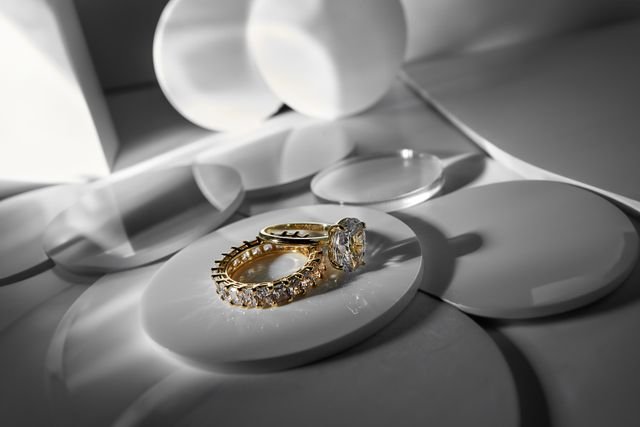
The global luxury retail sector is undergoing a profound transformation. Modern consumers are increasingly moving away from mass-produced accessories, favouring items that offer genuine individuality and a clear narrative. This retail shift is most visible in the fine jewellery market, where changing spending habits are redefining how brands and independent artisans operate on a daily basis. Rather than simply purchasing off-the-shelf items from giant chain stores, today’s shoppers want a hand in the creation process. This turns traditional retail into a highly collaborative experience that celebrates individual style. As buyers become more educated about materials and design, their expectations for a tailored shopping experience continue to rise.
The Economic Resilience of Bespoke Jewellery
Despite broader economic fluctuations and supply chain disruptions, the bespoke jewellery segment has proven remarkably stable. Industry data from recent years indicates that the global personalised jewellery market is experiencing robust growth, with a projected compound annual growth rate hovering around 6 to 8% over the next decade. Interestingly, while standard luxury goods have faced considerable economic headwinds in recent quarters, specialised pieces continue to attract buyers who view them as both emotional and financial investments.
This divergence in the retail sector is largely driven by a demand for distinctiveness and a high level of customer service. According to Bain & Company, while the overall personal luxury goods market saw a slight decline recently, the high jewellery segment held strong because future growth relies heavily on brands delivering immersive, personalised, and brand-curated experiences. By offering bespoke services, jewellers provide a differentiated value proposition that standard retail models simply cannot match. Consumers are now actively willing to pay premium prices for items that reflect their personal journeys rather than a brand’s standard inventory.
Shifting Bridal Trends and Independent Studios
The bridal market is the primary catalyst for this structural shift towards customisation. In previous decades, legacy retail stores completely dominated the wedding industry, offering a predictable selection of diamond cuts and classic settings. Today, younger buyers are actively seeking out independent studios that allow them to be deeply involved in the design and manufacturing process. Studios offering computer-aided design and 3-D printed previews are particularly popular, as they allow couples to visualise and refine their pieces before the final fabrication takes place.
This desire for rarity and personal connection explains the surging popularity of custom engagement rings among millennial and Gen-Z buyers. By collaborating directly with skilled artisans, couples can incorporate unique elements that hold private significance for their relationship. Furthermore, independent designers based in creative hubs globally, including artisanal centres in Thailand, are uniquely positioned to offer specialised techniques. These include hand-applied granulation, custom metal alloys, or the use of repurposed antique stones from family heirlooms. Mass-market retailers struggle to replicate these intricate details at scale, allowing independent creators to thrive. This accessible luxury tier is expanding rapidly, proving that modern romance is intrinsically linked to artistic individuality.
Key Drivers of the Custom Jewellery Boom
Several distinct consumer preferences are fuelling the rapid expansion of the bespoke jewellery market. Retail surveys reveal that custom purchases have increased significantly on a global scale, with buyers prioritising several important elements. These elements go beyond mere aesthetics to reflect the core ethical and style values of the modern buyer:
- Ethical and Transparent Sourcing: Younger demographics place a massive emphasis on sustainability. There is a strong preference for eco-friendly practices, heavily traceable natural diamonds, and lab-grown alternatives that free up the budget for more intricate, bespoke settings.
- Unique Structural Designs: Standard solitaire settings are giving way to unconventional shapes. The industry is seeing a major design shift toward thicker bands, sculptural horizontal bezel settings, and vintage diamond cuts that stand out from the crowd.
- Hidden Details: Personalisation often extends beyond the visible aesthetic. Designers are frequently asked to include discreet touches like hidden birthstones, mixed-metal accents, and secret engravings on the inner band.
These trends align perfectly with the broader retail shift toward handmade and personalised fashion, illustrating that today’s consumers view their purchases as a direct extension of their personal identity. As global gold prices and material costs fluctuate, buyers want absolute assurance that their financial outlay translates into a highly meaningful, irreplaceable asset. By investing in custom pieces, shoppers are rejecting the disposable nature of fast fashion in favour of genuine heirloom quality.
The Future of Fine Jewellery
The fine jewellery market is no longer just about the intrinsic value of precious metals and gemstones. It has evolved into an experience-driven industry where storytelling, ethical sourcing, and artistic collaboration are paramount. As consumer tastes continue to refine and evolve, the retailers and independent studios that thrive will be those that embrace this deep-seated desire for true personalisation. By focusing on bespoke creations and customer-led designs, the jewellery industry is securing its future growth while helping clients celebrate their most cherished moments in a completely unique way.
