
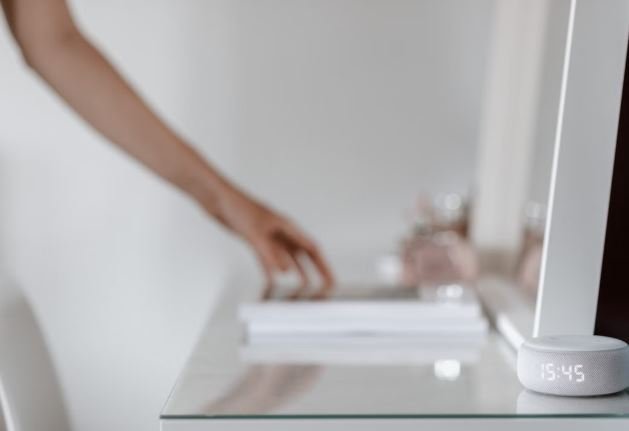
Smart home technology is gradually changing the way people experience and manage their homes. What was once viewed as a luxury reserved for technology enthusiasts is becoming a practical consideration for modern households. From automated lighting and intelligent appliances to connected security systems and energy-monitoring solutions, consumers are increasingly looking for products that make everyday living more convenient, comfortable and efficient.
This changing preference is creating fresh opportunities across the consumer electronics and home improvement industries. Businesses are no longer limited to selling individual household products. They can now develop connected solutions, offer installation and maintenance services, and build long-term relationships with customers through integrated technology. As a result, smart home technology is emerging as an important growth area for manufacturers, retailers, technology providers and service businesses.
Smart Home Technology Is Transforming Consumer Demand
The traditional home improvement market has largely focused on furniture, interiors, electrical equipment and household appliances. However, consumer expectations are evolving as technology becomes more closely integrated into everyday living.
Smart door locks, video doorbells, automated curtains, connected kitchen appliances and intelligent lighting systems are changing how households approach home upgrades. Consumers are increasingly interested in products that offer greater control over their surroundings while reducing the effort involved in routine activities.
For businesses, this creates an opportunity to expand beyond conventional product categories. Retailers can introduce dedicated smart living sections, while manufacturers can develop connected versions of familiar household products. Companies that combine practical functionality with accessible technology can appeal to consumers seeking meaningful improvements to their living spaces.
Connected Products Are Creating New Revenue Opportunities
The growing popularity of connected devices is encouraging businesses to move beyond one-time product sales. Consumers increasingly expect their smart appliances, security systems and lighting solutions to work together through integrated platforms.
This creates opportunities for companies to develop complete home automation packages rather than market individual devices. Businesses can also generate recurring revenue through security monitoring, cloud storage, software upgrades, maintenance contracts and technical support.
For smaller companies, partnerships with established technology providers can make market entry more manageable. Instead of developing an entire technology ecosystem independently, businesses can focus on compatible products and services that address specific household requirements.
Artificial Intelligence Is Changing the Smart Home Experience
Artificial intelligence is making home automation more responsive and personalised. Connected systems can increasingly recognise household patterns, respond to user preferences and automate certain activities with limited manual intervention.
Smart lighting can adjust according to daily routines, climate-control systems can respond to occupancy, and intelligent appliances can provide maintenance alerts. These developments are making connected technology more useful while creating opportunities for brands to differentiate their products.
However, greater connectivity also increases the importance of data protection and cybersecurity. Businesses that provide transparent privacy policies, reliable security features and clear control over personal information will be better positioned to earn consumer confidence.
Energy Efficiency Is Strengthening Market Demand
Energy management is becoming an important part of the smart home industry as households look for ways to monitor electricity consumption and manage utility expenses. Smart plugs, automated lighting, connected thermostats and energy-monitoring devices can help consumers understand their usage patterns and identify unnecessary consumption.
This shift is creating opportunities for appliance manufacturers, solar companies, electrical contractors and home automation providers. Businesses can strengthen their offerings by combining connected appliances with rooftop solar, battery storage and energy-management systems.
Companies that provide installation, monitoring and maintenance services can also benefit from consumers looking for convenient ways to manage their household energy requirements.
Home Security and Wellness Are Expanding the Market
Smart home technology is increasingly addressing concerns beyond convenience. Connected smoke detectors, water-leak sensors, video surveillance systems and air-quality monitors are creating opportunities in household safety and environmental monitoring.
There is also potential in products designed to support older adults and people who wish to maintain greater independence at home. Motion sensors, automated lighting and emergency alert systems can help families respond more quickly to certain safety concerns.
For businesses, these developments open opportunities to collaborate with property developers, security companies, healthcare technology providers and interior designers. Solutions that prioritise accessibility, reliability and ease of operation can attract consumers across different age groups and household requirements.
Interoperability Will Become a Competitive Advantage
One of the major challenges in smart home adoption has been the difficulty of connecting products from different manufacturers. Consumers may hesitate to invest in automation when devices require separate applications or operate within incompatible platforms.
Interoperability standards such as Matter are helping improve communication between compatible devices across supported ecosystems. This can make connected living easier to manage and give consumers greater flexibility when selecting products.
For manufacturers, compatibility is becoming an important consideration in product development. Brands that offer reliable integration with other connected devices can reach a wider customer base and create more attractive product offerings.
Small Businesses Can Benefit From the Smart Home Market
The expansion of smart homes is creating opportunities across the wider home improvement value chain. Retailers can offer connected appliance packages, electricians can expand into smart device installation, and interior designers can incorporate automation into residential projects.
Property developers can also integrate smart lighting, digital access systems and energy-management features into new housing projects to improve their appeal among modern homebuyers.
Small and medium-sized businesses do not necessarily need to manufacture their own devices to participate in this market. Installation, system integration, troubleshooting, upgrades and after-sales support can provide viable business opportunities. As households adopt more connected products, demand for dependable technical assistance may become an important source of repeat revenue.
Affordability and Consumer Trust Will Shape Future Growth
Despite its potential, the smart home industry faces challenges related to affordability, privacy, cybersecurity and installation complexity. High upfront costs can discourage price-conscious households, while concerns about personal data and device reliability may affect purchasing decisions.
Businesses need to make connected technology easier to understand and more accessible. Affordable entry-level products, flexible upgrade options, simple interfaces and dependable customer support can encourage wider adoption.
Equally important is demonstrating practical value. Consumers are more likely to invest in products that address everyday concerns, whether through improved home security, better energy management or greater convenience.
Smart Home Technology Is Reshaping the Future of Consumer Businesses
The expansion of smart home technology represents a significant shift in the consumer and home improvement industries. By connecting appliances, security, energy management and household services, it is creating new opportunities that extend well beyond traditional product sales.
Businesses that combine reliable products with compatible technology, professional installation and ongoing customer support can establish stronger market positions. For retailers and service providers, the opportunity lies in helping consumers transition from isolated smart devices to integrated solutions that improve everyday living.
As connected homes become more accessible, the real competitive advantage will come from making technology practical, affordable and dependable. Companies that understand these changing consumer expectations will be better positioned to build customer loyalty, develop new revenue streams and participate in the next phase of growth in the home improvement market.
