
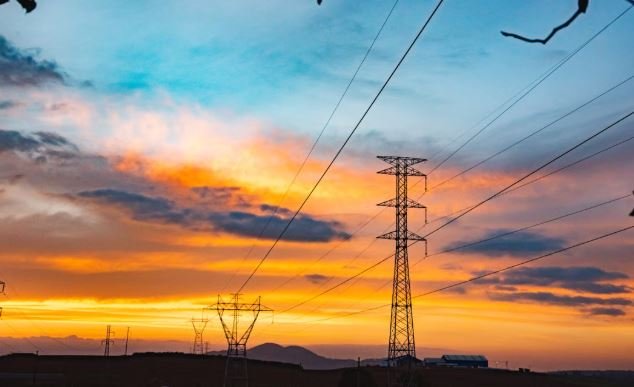
Energy costs are becoming a decisive factor in Ireland’s business environment, influencing everything from daily operating expenses to long-term investment decisions. As electricity prices remain elevated, companies across manufacturing, retail, hospitality and technology are facing growing pressure to protect profit margins while maintaining competitive pricing. What was once considered a routine business expense has evolved into a strategic concern, particularly for organisations that depend heavily on electricity to sustain their operations.
For businesses, the challenge extends beyond higher monthly utility bills. Expensive and unpredictable energy supplies can increase production costs, affect pricing strategies, restrict expansion plans and weaken competitiveness against international rivals. Smaller enterprises are particularly exposed, as they often have limited financial flexibility to absorb repeated increases without passing some of the additional costs on to customers.
Ireland’s energy cost pressures reflect a combination of structural and market-related factors. Dependence on natural gas for electricity generation, increasing demand, limitations in grid infrastructure and additional network charges are contributing to the challenge. Meanwhile, the expansion of data centres, industrial electrification and digital services is adding to the country’s electricity requirements.
As a result, energy management is becoming an important part of corporate planning. Businesses are reassessing consumption patterns, exploring renewable power and investing in efficiency measures to gain greater control over operating costs. The way Ireland addresses this challenge will have wider implications for its industrial competitiveness, investment climate and future economic growth.
The Structural Factors Behind Ireland’s High Energy Costs
Ireland’s electricity pricing challenge is closely linked to the structure of its energy market. Natural gas continues to play an important role in electricity generation and frequently influences wholesale power prices. This exposes businesses to movements in international fuel markets, where geopolitical tensions, supply disruptions and changing demand can create considerable price uncertainty.
Grid capacity is another important consideration. Electricity demand is growing as businesses expand their operations, households adopt electric technologies and data centres increase their computing capacity. However, expanding generation and transmission infrastructure requires significant investment and time.
The resulting pressure on the electricity system can contribute to higher costs and make it more difficult to accommodate new demand efficiently.
Recent supplier price changes have added another layer of concern. In July 2026, a major Irish electricity supplier announced an 8% increase in electricity prices and a 7.7% rise in gas prices. For commercial users already managing higher wages, rent, logistics and material expenses, additional energy costs can make financial planning increasingly difficult.
Rising Electricity Prices Are Changing Business Economics
The impact of expensive electricity varies across industries, but the underlying concern is similar: businesses must find ways to protect profitability without compromising operations.
Manufacturers face higher expenses for machinery, industrial heating, refrigeration and production processes. Food processing businesses must manage energy-intensive storage and temperature-controlled operations, while retailers and hospitality providers depend on electricity for lighting, heating, cooling and equipment.
For smaller companies, the consequences can be particularly difficult. An independent retailer or restaurant may have limited room to absorb higher utility bills, especially when customers are already sensitive to price increases. Raising prices could affect demand, while absorbing the additional costs can gradually reduce operating margins.
Larger companies may have more resources to negotiate energy contracts or invest in efficiency improvements, but they are not immune to market volatility. For energy-intensive businesses, electricity costs can influence decisions about production capacity, new facilities and future investment.
This is making energy affordability an increasingly important consideration in Ireland’s overall business competitiveness.
Data Centre Expansion Adds to the Energy Challenge
Ireland’s position as an international technology hub has created substantial demand for data centre infrastructure. These facilities support cloud computing, artificial intelligence, digital transactions and other services that have become essential to modern business operations.
However, their electricity requirements are significant. Data centres accounted for approximately 23% of Ireland’s metered electricity consumption, highlighting the growing influence of digital infrastructure on national energy demand.
Their expansion presents an economic opportunity through foreign investment, construction activity, employment and demand for specialised services. At the same time, it increases the responsibility on policymakers and energy providers to ensure that electricity generation and grid infrastructure can accommodate additional demand.
The challenge is to support technology-led growth without placing excessive pressure on electricity supplies available to other industries. Reliable and competitively priced power will be essential not only for data centre operators but also for manufacturers, commercial businesses and emerging enterprises.
Businesses Move Towards Smarter Energy Management
As energy expenses become harder to overlook, companies are paying greater attention to how electricity is consumed across their operations. Energy management is increasingly being treated as a business efficiency measure rather than a routine facilities responsibility.
Smart meters and digital monitoring systems can help organisations understand consumption patterns, identify inefficient equipment and recognise periods of unnecessarily high demand. Businesses can use this information to adjust operating schedules and shift suitable activities to off-peak periods when lower tariffs are available.
Investment in energy-efficient lighting, heating, cooling and machinery can also reduce long-term consumption. For smaller enterprises, these improvements may provide a practical starting point without requiring a complete overhaul of existing operations.
The growing emphasis on energy efficiency is also creating commercial opportunities for technology providers, energy consultants and companies specialising in building upgrades and industrial optimisation.
Renewable Energy Gains Commercial Importance
The search for greater energy cost stability is encouraging businesses to consider renewable electricity as part of their long-term operating strategy.
Rooftop solar installations are becoming an option for factories, warehouses, commercial buildings and retail facilities with suitable space. Generating electricity onsite can reduce dependence on conventional grid supplies and provide some protection against market fluctuations.
Battery storage adds another dimension by allowing businesses to retain surplus renewable electricity for use when generation is lower or demand increases. Although installation costs, available space and electricity tariffs influence commercial viability, these systems can offer greater flexibility in managing energy consumption.
Larger organisations are also exploring Corporate Power Purchase Agreements (CPPAs), which provide a contractual arrangement for purchasing renewable electricity from energy generators over an agreed period. Such agreements can improve visibility over future energy costs while supporting sustainability commitments.
For Ireland’s renewable energy sector, this shift creates opportunities across solar development, wind power, battery manufacturing, energy storage and smart grid technologies.
Energy Affordability Influences Investment Decisions
The cost of electricity is becoming an increasingly important factor in determining where businesses establish operations and allocate capital.
For manufacturers, pharmaceutical companies, food processors and data centre operators, energy availability and affordability can directly influence the financial viability of new projects. Businesses considering expansion must assess not only labour, property and logistics expenses but also the long-term cost and reliability of electricity.
Ireland’s established technology ecosystem, skilled workforce and international business connections remain important investment advantages. However, sustained energy cost pressures could weaken its competitive position if businesses find more attractive operating conditions in other markets.
This makes affordable electricity a wider economic priority. Its influence extends beyond individual company balance sheets to employment creation, industrial development, foreign investment and the country’s ability to attract new businesses.
Policy Support and Infrastructure Investment Take Centre Stage
Addressing Ireland’s energy cost challenge requires coordinated action across the electricity market. Individual businesses can improve efficiency, but lasting improvements will also depend on expanding generation capacity, strengthening transmission networks and reducing infrastructure bottlenecks.
Accelerating renewable energy projects, improving grid connections and developing battery storage can help create a more flexible electricity system. Greater diversification of energy sources could also reduce exposure to international gas price movements over time.
Businesses are also looking for practical policy support, particularly smaller enterprises that may struggle to finance energy-efficiency upgrades independently. Accessible grants, advisory services and investment incentives can encourage companies to modernise equipment and reduce unnecessary consumption.
A predictable regulatory environment will be equally important for attracting investment in renewable generation and energy infrastructure.
Building Business Resilience in a High-Cost Energy Environment
Ireland’s electricity cost challenge is reshaping how companies approach profitability, investment and operational planning. Higher energy expenses are forcing businesses to examine their cost structures more carefully, while growing demand for renewable power and efficiency solutions is creating opportunities across the wider energy economy.
For companies, the priority is gradually shifting from simply managing electricity bills to developing a more resilient energy strategy. Better consumption monitoring, efficient equipment, renewable generation and appropriate procurement arrangements can help reduce exposure to price volatility.
At the national level, the ability to deliver reliable and affordable electricity will be critical to sustaining Ireland’s economic ambitions. Technology investment, industrial expansion and employment growth all depend on an energy system capable of supporting rising demand.
Ultimately, Ireland’s competitiveness will depend not only on how much electricity it can generate but also on how efficiently and affordably that power reaches businesses. Turning the current cost challenge into an opportunity for infrastructure modernisation and clean energy investment could strengthen the foundations of the country’s economy for years to come.
