
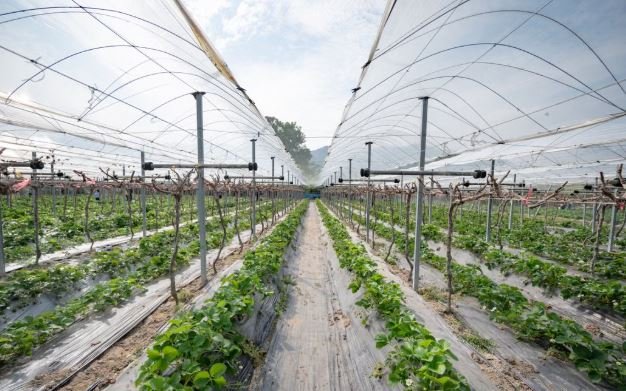
Agriculture is undergoing a major transformation as technology becomes an essential part of modern farm management. With rising input costs, unpredictable weather conditions, labour shortages and growing pressure to improve food production, farmers are increasingly looking for smarter ways to manage their operations. Traditional farming methods remain important, but relying entirely on experience and manual decisions can make it difficult to control costs, maintain consistent yields and respond quickly to changing field conditions.
This is where smart agriculture technology is creating new opportunities for the farming sector. By combining artificial intelligence (AI), the Internet of Things (IoT), drones, GPS-enabled machinery and data analytics, farmers can make more informed decisions at every stage of cultivation. These technologies are helping agricultural businesses move towards precision farming, where resources are used more efficiently, crop conditions are monitored closely and potential problems can be identified before they affect production.
Precision Farming Helps Farmers Improve Efficiency
One of the biggest advantages of smart agriculture is precision farming. Instead of applying the same quantity of fertilisers, pesticides and water across an entire field, farmers can use soil data, satellite imagery and sensor-based information to understand the specific requirements of different areas.
This approach helps farmers apply agricultural inputs according to actual crop needs. It can reduce unnecessary expenditure, minimise resource wastage and improve the consistency of crop growth. For commercial farms, even small improvements in input management can make a meaningful difference to operating costs and overall profitability.
Artificial Intelligence Supports Better Farming Decisions
Artificial intelligence is becoming an important tool in modern agriculture by helping farmers analyse large amounts of information and make timely decisions. AI-powered platforms can examine weather patterns, soil conditions, crop health and historical production data to provide useful recommendations.
For example, farmers can use AI-based systems to identify early signs of crop diseases, estimate potential yields and determine suitable irrigation schedules. Early identification of crop problems allows farmers to take corrective action before damage spreads across larger areas.
For agricultural businesses, these solutions also create opportunities to develop digital advisory platforms, farm management software and customised technology services for farmers.
IoT Sensors Improve Water and Soil Management
Water management is one of the most important challenges facing agriculture, particularly in regions where rainfall is irregular or irrigation resources are limited. IoT-enabled sensors are helping farmers monitor soil moisture, temperature, humidity and other field conditions in real time.
These sensors provide information about when and how much irrigation is required. Automated irrigation systems can then supply water according to the actual needs of crops rather than following fixed schedules.
This helps reduce unnecessary water consumption, lower pumping costs and improve irrigation efficiency. Soil monitoring also helps farmers understand nutrient requirements and maintain healthier growing conditions.
As water efficiency becomes increasingly important, businesses offering smart irrigation equipment, agricultural sensors and connected farm management solutions are likely to find growing opportunities.
Drones and Satellite Technology Strengthen Crop Monitoring
Monitoring large agricultural fields manually can be time-consuming and expensive. Agricultural drones and satellite-based imaging are making this process faster and more efficient.
Drones equipped with specialised cameras can capture images of farmland and identify variations in crop growth, water stress, pest damage and other potential problems. Farmers can use this information to focus attention on affected areas instead of inspecting every part of a field individually.
Drones can also support precision spraying, helping farmers apply fertilisers and crop protection products more selectively, subject to appropriate safety and regulatory requirements.
This technology is creating a new market for drone manufacturers, agricultural service providers, equipment suppliers and businesses offering aerial field-monitoring solutions.
GPS-Enabled Machinery Reduces Operational Costs
Mechanisation has already changed agricultural operations, but GPS-enabled equipment is taking farm efficiency further. Modern tractors, harvesters and other agricultural machinery can use GPS guidance to follow accurate routes, reduce overlapping operations and improve field coverage.
This can help farmers save fuel, reduce unnecessary machinery movement and complete activities within shorter timeframes. Automated and semi-automated equipment can also address labour shortages, particularly during time-sensitive activities such as sowing and harvesting.
For large farms and commercial agricultural operations, these improvements can contribute to better resource utilisation and more predictable production schedules.
Data Analytics Improves Crop Planning and Market Decisions
Smart farming is not limited to activities within the field. Data analytics can also help farmers make better business decisions related to crop selection, production planning, inventory management and market demand.
By studying historical yield information, weather forecasts, input prices and market trends, farmers can assess which crops may offer better commercial returns. Farm management platforms can also help track expenditure, monitor production performance and maintain records of agricultural activities.
Better access to information can improve negotiations with buyers, support supply chain planning and reduce the uncertainty associated with agricultural investments.
For agribusinesses, data-driven platforms offer opportunities to provide farmers with integrated services covering cultivation, storage, distribution and market access.
New Business Opportunities Across the Agricultural Technology Sector
The growing adoption of smart agriculture is creating opportunities beyond traditional farming. As farmers increasingly recognise the commercial value of technology, demand is expanding for affordable and practical agricultural solutions.
Some of the emerging opportunities include:
- Agritech startups: Developing affordable farm management applications, AI-based crop advisory platforms and digital agricultural marketplaces.
- Drone service providers: Offering crop monitoring, field mapping and precision spraying services to farmers and agricultural organisations.
- Smart equipment manufacturers: Producing IoT sensors, automated irrigation systems, GPS-enabled machinery and connected agricultural devices.
- Agricultural data companies: Providing weather intelligence, soil analysis, crop monitoring and yield forecasting services.
- Rural technology service providers: Helping small and medium-sized farmers access, install and maintain modern agricultural equipment.
- Digital marketplaces: Connecting farmers with suppliers, buyers, logistics companies and agricultural service providers.
An important opportunity lies in developing affordable solutions for small and marginal farmers. Technology adoption can remain limited when equipment is expensive or requires specialised knowledge. Subscription-based platforms, equipment rental services and shared drone facilities can make smart agriculture more accessible without requiring farmers to make large upfront investments.
Challenges That Businesses Must Address
Despite its potential, smart agriculture faces several practical challenges. High initial investment, limited digital awareness, unreliable rural connectivity and a shortage of technical support can slow adoption.
Small farmers may also find it difficult to understand and use multiple digital platforms without proper training. Technology providers therefore need to focus on simple interfaces, local-language support, affordable pricing and solutions designed around actual farming requirements.
Another important consideration is ensuring that farmers receive measurable economic benefits from adopting new technology. Solutions that reduce input expenses, improve productivity or minimise crop losses are more likely to gain long-term acceptance.
The Future of Smart Agriculture
Smart agriculture is gradually changing the economics of farming by bringing greater accuracy, efficiency and transparency to agricultural operations. The focus is shifting from simply increasing production to improving productivity while managing resources and costs more effectively.
For farmers, this means better control over cultivation activities, reduced avoidable expenditure and more informed decisions. For businesses, it opens opportunities in agricultural equipment, digital platforms, farm advisory services, data analytics and rural technology infrastructure.
As technology becomes more affordable and accessible, smart farming could play an increasingly important role in strengthening agricultural productivity and building a more commercially sustainable farming ecosystem. The businesses that succeed in this evolving sector will be those that understand farmers’ practical challenges and deliver solutions that translate technological innovation into tangible economic value.
