
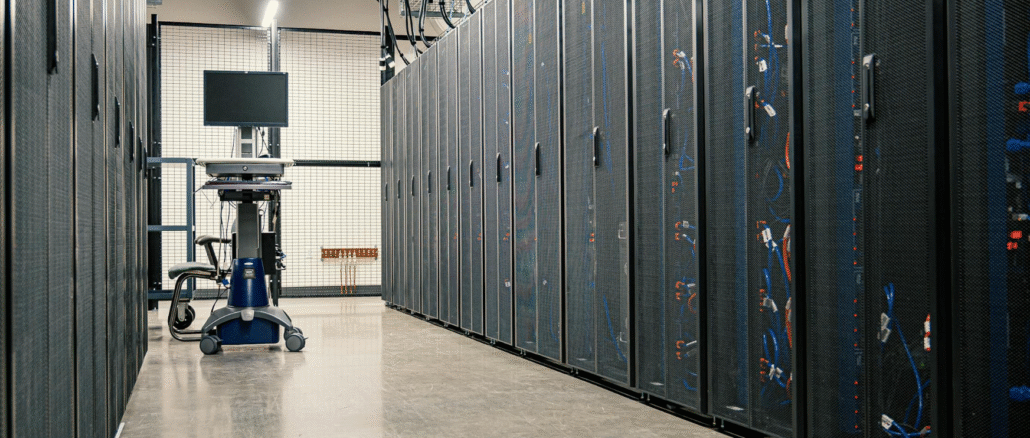
Data centres in Texas are emerging as a major business and investment opportunity as the rapid adoption of artificial intelligence drives demand for computing power, cloud infrastructure and advanced digital services. With access to large development sites, an established energy industry and expanding technology infrastructure, Texas is attracting growing interest from data centre developers, technology companies and investors.
Artificial intelligence is changing the scale of digital infrastructure required by modern businesses. From generative AI and machine learning to cloud computing and large-scale data processing, these technologies depend on powerful data centres capable of operating continuously. As a result, Texas is becoming an increasingly important market for companies looking to build and supply the infrastructure behind the AI economy.
The opportunity is also extending beyond major technology companies. Energy providers, construction businesses, engineering firms, equipment manufacturers and cybersecurity specialists are finding new commercial opportunities as the data centre industry expands.
Why Texas Is Attracting Data Centre Investments
Texas offers several advantages that make it an attractive location for large-scale data centre development. Access to sizeable land parcels, an established electricity generation industry, fibre-optic connectivity and a competitive business environment are supporting the expansion of digital infrastructure.
Dallas-Fort Worth remains an important data centre market because of its established business networks and connectivity. Meanwhile, Abilene and other West Texas locations are gaining attention for large AI infrastructure developments.
The state’s energy resources also play an important role. Natural gas, wind and solar power provide different options for meeting the electricity requirements of energy-intensive facilities. However, access to reliable power and grid connections is becoming a deciding factor in where new projects are developed.
For investors, these advantages create opportunities across data centre construction, energy infrastructure and supporting technology services.
AI Infrastructure Is Driving Demand for Advanced Data Centres
The growing use of artificial intelligence is changing the requirements of data centre facilities. AI applications require powerful processors, specialised servers and high-speed networking systems to handle complex workloads.
Unlike conventional data storage facilities, AI-focused data centres must support intensive computing operations and manage significant heat generation. This is encouraging investment in high-density server infrastructure, advanced cooling equipment and specialised electrical systems.
Businesses providing AI computing infrastructure, hardware installation, network engineering and facility management can benefit from this shift.
There is also growing demand for high-performance computing services that allow companies to access advanced computing resources without building and maintaining their own facilities. This creates opportunities for specialised infrastructure operators and technology service providers.
Power Infrastructure Creates a Major Business Opportunity
Electricity availability is becoming one of the biggest challenges and investment opportunities in the Texas data centre market. AI facilities require continuous power, and their growing electricity requirements are increasing pressure on existing grid infrastructure.
This is creating demand for independent power generation, battery energy storage, renewable energy integration and advanced electricity management systems.
Businesses involved in natural gas generation, solar power, energy storage and electrical infrastructure can find opportunities through partnerships with data centre developers.
There is also increasing demand for transformers, substations, switchgear, backup generators and smart power management technologies.
For energy companies and infrastructure investors, supplying reliable electricity to large computing facilities could become an important long-term business segment.
Data Centre Cooling Technology Is Creating New Markets
Cooling is becoming a critical part of AI data centre operations. High-performance computing equipment generates substantial heat, requiring specialised systems to maintain safe operating temperatures and prevent equipment failures.
Advanced solutions such as liquid cooling, direct-to-chip cooling and closed-loop systems are gaining importance as computing density increases.
This is creating opportunities for manufacturers of cooling equipment, industrial pumps, heat exchangers and thermal management systems.
Water conservation is equally important. Communities are paying greater attention to the environmental impact of large facilities, encouraging operators to explore more efficient cooling methods and reduce dependence on local water resources.
Businesses that can combine effective temperature management with lower energy and water consumption may gain a competitive advantage in this expanding market.
Construction and Real Estate Businesses Can Benefit
The growth of data centres in Texas is creating opportunities for commercial property developers and specialised construction companies.
Large facilities require suitable land, reliable electricity connections, fibre networks, advanced electrical installations and strong physical security. Developers must also consider zoning requirements, environmental approvals and proximity to essential infrastructure.
This creates demand for civil engineering, industrial construction, electrical contracting, project management and infrastructure consultancy.
Landowners with properties offering suitable power access and connectivity may also attract interest from developers. However, land availability alone is not enough. Electricity capacity, water access and local permitting can significantly influence project feasibility.
For construction and real estate businesses, specialising in data centre infrastructure could provide access to a growing segment of the commercial property market.
Cybersecurity and AI Infrastructure Services Are Gaining Importance
Modern data centres handle sensitive business information and support critical digital services. Protecting these facilities against cyberattacks, data breaches and operational disruptions is therefore essential.
This is creating demand for advanced cybersecurity platforms, network monitoring, identity management and automated threat detection.
Physical security is another important requirement. Surveillance systems, biometric access controls, perimeter protection and continuous monitoring help safeguard valuable equipment and infrastructure.
Technology companies can also find opportunities in server maintenance, cloud management, high-speed networking and infrastructure automation.
As AI facilities become more complex, businesses offering specialised technical support and security services could establish long-term relationships with data centre operators.
Opportunities for Small Businesses and Infrastructure Suppliers
The AI data centre boom is not limited to large technology corporations. A wide range of small and medium-sized businesses can participate in the supply chain.
Some promising business segments include:
- Electrical equipment: Supplying cables, transformers, switchgear and power distribution systems.
- Cooling solutions: Providing liquid cooling equipment, ventilation systems and energy-efficient thermal management.
- Construction services: Offering electrical installation, civil engineering and specialised infrastructure development.
- Cybersecurity: Developing digital protection, access management and monitoring solutions.
- Maintenance services: Providing equipment servicing, facility management and technical support.
- Energy solutions: Supporting renewable power integration, battery storage and backup electricity systems.
For smaller companies, becoming a specialised supplier or subcontractor can offer an entry point into a market that requires extensive infrastructure investment.
Power, Water and Regulatory Challenges Could Influence Growth
Despite the opportunities, Texas’s data centre industry faces important challenges. Rapid development is increasing concerns about electricity demand, grid reliability and the potential impact on consumer power costs.
The Electric Reliability Council of Texas (ERCOT) plays a central role in managing the state’s electricity system. As demand increases, grid connections, transmission capacity and equipment availability are becoming important considerations for new projects.
Water consumption is another concern, particularly in areas facing water supply constraints. Large facilities may also encounter local opposition over noise, land use and environmental impact.
These issues could influence permitting requirements, project timelines and investment decisions. Developers will increasingly need to demonstrate responsible resource management, reliable power arrangements and meaningful engagement with local communities.
For businesses entering the market, understanding these challenges from the beginning will be essential for managing costs and avoiding unnecessary delays.
Future Outlook: Texas Could Become a Key Centre for AI Infrastructure
The expansion of artificial intelligence is creating a new wave of demand for data centres, and Texas is positioning itself to capture a significant share of this infrastructure growth.
The business opportunity extends across the entire ecosystem, from electricity generation and cooling technology to construction, cybersecurity and specialised computing services.
For investors, the sector offers exposure to the physical infrastructure supporting the digital economy. For entrepreneurs and smaller businesses, it creates opportunities to supply essential products and services to a rapidly developing industry.
However, long-term success will depend on more than investment and construction capacity. Reliable electricity, efficient cooling, responsible water use and regulatory compliance will determine how sustainably the industry expands.
As AI adoption continues across industries, businesses capable of providing dependable, energy-efficient and cost-effective infrastructure solutions will be well positioned to benefit from Texas’s growing data centre market.
