
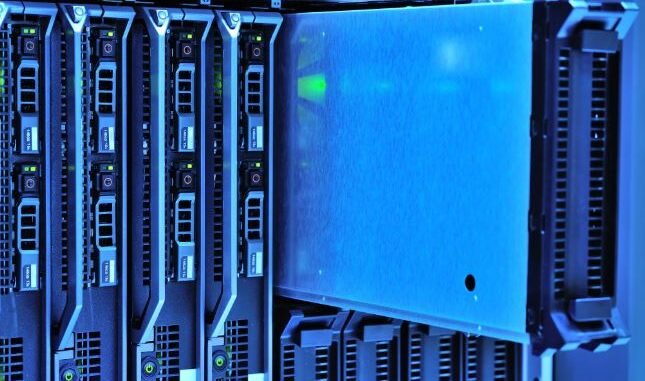
The rapid adoption of artificial intelligence is reshaping the United States’ infrastructure landscape, creating substantial investment opportunities across energy, construction, engineering, manufacturing and technology services. As businesses increasingly rely on AI-powered applications, cloud computing and large-scale data processing, demand for advanced computing infrastructure is accelerating. This is driving a new wave of data centre development and creating opportunities for companies that build, power, equip and maintain these facilities.
The expansion is also changing the economics of the infrastructure industry. Data centres are no longer simply specialised buildings used to store and process information. They have become critical infrastructure assets requiring substantial electricity, sophisticated cooling systems, advanced networking and continuous technical support. As a result, the commercial opportunities extend well beyond major technology companies to include equipment manufacturers, construction contractors, energy providers, engineering firms and smaller businesses operating across the supply chain.
AI Demand Is Changing the Data Centre Industry
The growing complexity of artificial intelligence is increasing the infrastructure requirements of modern data centres. Traditional facilities were largely designed to support cloud storage, enterprise applications and conventional computing workloads. However, training advanced AI models and running real-time inference applications require considerably more processing capacity.
These operations depend on large numbers of specialised processors working together, increasing rack densities, electricity consumption and heat generation. Data centre operators are therefore investing in larger campuses, high-performance computing environments and advanced infrastructure capable of supporting intensive AI workloads.
Major technology companies and cloud service providers are expanding their computing capacity to meet demand from businesses developing and deploying AI solutions. This investment is creating a wider commercial ecosystem in which infrastructure suppliers and service providers can participate.
For businesses, the opportunity is particularly attractive because demand does not end with the completion of a data centre. Facilities require regular upgrades, equipment replacement, energy management, security and maintenance throughout their operational life, creating opportunities for both project-based and recurring revenue.
1. Power Generation and Grid Modernisation Create Major Opportunities
Reliable electricity is becoming one of the most important requirements for data centre development in the United States. AI facilities operate around the clock and require substantial, uninterrupted power to support servers, networking equipment and cooling infrastructure.
This is creating opportunities for electricity producers, utility companies, electrical equipment manufacturers and infrastructure engineering firms.
Growing demand for power generation: Data centre operators are exploring long-term energy partnerships to secure dependable electricity supplies. This is creating opportunities for independent power producers, renewable energy developers and companies involved in natural gas-based generation.
Nuclear energy is also attracting renewed interest because of its ability to provide consistent electricity with relatively low operational carbon emissions. Existing nuclear facilities and emerging advanced nuclear technologies could become part of the long-term energy strategy for large data centre campuses.
Investment in grid infrastructure: Expanding electricity demand is increasing the need for transmission networks, substations, transformers, switchgear, circuit breakers and high-voltage cables. These requirements create a growing market for electrical equipment manufacturers and engineering contractors.
Companies with the technical capacity to design, manufacture, install and maintain these systems could benefit from infrastructure investment extending beyond individual data centre projects.
Renewable energy and battery storage: Technology companies are also exploring solar, wind and battery energy storage solutions to diversify their power sources, manage electricity costs and meet sustainability objectives. Renewable energy developers could benefit from long-term power purchase agreements, while battery manufacturers and energy management companies may find opportunities in storage and grid-balancing solutions.
2. Advanced Cooling Technologies Open a New Market for Engineering Companies
Managing heat is becoming as important as supplying electricity to modern AI data centres. High-performance processors generate substantial thermal loads, making conventional air-conditioning systems less effective in certain high-density computing environments.
This is accelerating interest in advanced cooling technologies and creating opportunities for specialised engineering businesses.
Liquid cooling is emerging as an important solution. Direct-to-chip systems use circulating fluids to remove heat directly from processors, while immersion cooling involves placing computing equipment in specially designed cooling liquids.
This transition is increasing demand for pumps, heat exchangers, specialised piping, fluid management equipment, sensors and thermal-control systems. Companies manufacturing these components or providing integrated cooling solutions can become important suppliers to data centre developers.
Water efficiency is another growing consideration. Large facilities can face scrutiny over their water requirements, particularly in regions experiencing water stress. Closed-loop cooling, water recycling and advanced dry-cooling systems are therefore gaining commercial importance.
Businesses developing efficient cooling technologies can differentiate themselves by helping operators reduce operating expenses, improve energy performance and address environmental concerns.
3. Data Centre Construction Creates Opportunities for Infrastructure and Real Estate Companies
The expansion of AI infrastructure is creating a specialised construction market across the United States. Unlike conventional commercial buildings, data centres require reinforced structures, high electrical capacity, advanced cooling arrangements, fire protection, physical security and extensive backup power systems.
This creates opportunities for construction companies, civil engineering contractors, industrial developers, architects and project management firms.
Development of large-scale campuses: Data centre operators are increasingly looking for locations that can accommodate multiple facilities and future expansion. Developers with suitable land, access to reliable electricity, fibre connectivity and transport infrastructure may be better positioned to attract large commercial projects.
Specialised construction services: Electrical installation, structural engineering, mechanical systems, fire safety and security infrastructure are essential to data centre development. Contractors with experience in these areas can access a specialised market with substantial technical requirements.
Modular and prefabricated infrastructure: The pressure to bring new computing capacity online quickly is encouraging the use of prefabricated electrical rooms, modular cooling systems and factory-built infrastructure components. These solutions can reduce on-site construction time and improve project efficiency.
For manufacturers and construction businesses, modular infrastructure also offers opportunities to standardise products and supply components across multiple projects.
4. Fibre Connectivity and Networking Companies Benefit From AI Infrastructure Growth
Data centres depend on high-speed communication networks to transfer information between processors, storage systems and connected facilities. As AI workloads become more complex, reliable and high-capacity connectivity is becoming increasingly important.
This is creating demand for fibre-optic cables, optical components, advanced networking switches, high-speed interconnects and network installation services.
Telecommunications infrastructure companies and networking equipment manufacturers can benefit from the expansion of both individual data centre facilities and interconnected computing networks.
Cybersecurity is another important part of this opportunity. Data centres process sensitive business information and support critical digital services, making network protection, access management, continuous monitoring and disaster recovery essential.
Companies offering cybersecurity solutions alongside network infrastructure and management services can develop additional revenue opportunities as operators strengthen their digital security requirements.
5. Maintenance and Facility Management Offer Long-Term Revenue Opportunities
The commercial potential of data centres extends well beyond their construction. These facilities require continuous monitoring, regular inspections, equipment servicing and specialised technical support to maintain uninterrupted operations.
Even a relatively short disruption can affect cloud services, financial platforms and enterprise applications. Consequently, operators place considerable importance on reliability and preventive maintenance.
This creates opportunities for businesses providing generator servicing, electrical inspections, cooling-system maintenance, fire safety, power management and facility monitoring.
Predictive maintenance is also gaining importance. By combining sensors, automation and data analytics, service providers can identify potential equipment failures before they disrupt operations.
For small and medium-sized engineering businesses, this segment offers a potentially accessible entry point into the data centre ecosystem. Rather than competing for large construction contracts, they can build long-term relationships through specialised maintenance and operational support.
6. Small Businesses and New Entrants Can Access the Growing Supply Chain
Although large technology companies and infrastructure developers dominate headline investment, the expansion of US data centres is creating opportunities across a much wider network of suppliers.
Small and medium-sized businesses can participate by developing specialised products and services that support larger projects.
Some promising areas include:
- Electrical equipment and contracting: Manufacturing electrical panels, cable assemblies and distribution components, alongside installation and testing services.
- Industrial components: Supplying precision parts, specialised enclosures, pipes, valves and other equipment required for data centre infrastructure.
- Cooling equipment: Providing pumps, heat exchangers, sensors and liquid-cooling components.
- Construction services: Offering civil works, structural fabrication, fire protection and specialised installation.
- IT and cybersecurity: Delivering network monitoring, infrastructure security, access management and data protection services.
- Technical staffing: Recruiting and training electricians, facility engineers, cooling specialists and data centre technicians.
- Logistics and procurement: Managing the transportation, storage and timely delivery of specialised equipment.
For smaller companies, developing expertise in a specific product category or technical service may provide a more practical route into the market than competing directly with large infrastructure developers.
Establishing partnerships with engineering contractors, equipment manufacturers and data centre operators can also help businesses secure repeat orders and build long-term commercial relationships.
7. Wider Economic Benefits Extend Beyond the Technology Sector
The expansion of US data centres has implications for the broader business economy. Every major project generates demand across multiple industries, from construction materials and electrical manufacturing to transportation, engineering and professional services.
New facilities can support skilled employment, encourage industrial investment and create opportunities for regional suppliers. Increased demand for specialised equipment may also encourage domestic manufacturers to expand production capacity and develop more advanced products.
The growth of AI infrastructure can further strengthen demand for technical education and workforce development. Businesses will need professionals with expertise in electrical engineering, thermal management, networking, automation and facility operations.
However, the scale of these benefits will depend on project execution, local infrastructure capacity, electricity availability and the extent to which domestic suppliers and workers participate in the expansion.
Challenges Businesses Need to Consider
Despite the strong growth potential, entering the data centre supply chain requires careful planning.
Electricity availability: Limited grid capacity and delays in power connections can affect project timelines and investment decisions. Suppliers must consider regional infrastructure constraints before committing resources.
Capital and technical requirements: Specialised equipment, certification, advanced manufacturing capabilities and skilled labour can involve substantial upfront investment. Smaller businesses may need strategic partnerships to access larger contracts.
Permitting and community concerns: Data centre developments can face scrutiny over electricity consumption, water requirements, noise and land use. Regulatory approvals and community engagement can influence construction schedules.
Competition and delivery expectations: As more companies enter the market, suppliers must demonstrate product quality, technical reliability, competitive pricing and consistent delivery.
Workforce availability: Demand for engineers, electricians, cooling specialists and facility technicians may increase pressure on the existing talent pool. Companies investing in workforce development could gain a competitive advantage.
Conclusion
The expansion of US data centres represents more than a technology investment cycle; it is creating a broader transformation across the country’s infrastructure and industrial economy. As artificial intelligence becomes increasingly embedded in business operations, the need for computing capacity will continue to influence investment in electricity generation, grid modernisation, construction, cooling systems, networking and specialised engineering services.
For infrastructure companies, this shift offers an opportunity to expand into high-growth markets, strengthen customer relationships and develop new sources of revenue. Large businesses can benefit from major construction and energy contracts, while smaller enterprises can participate through component manufacturing, technical services, maintenance and supply-chain partnerships.
The most attractive opportunities will emerge for businesses that can address the practical challenges of AI infrastructure development. Reliable power, efficient cooling, faster project execution and uninterrupted operations are becoming essential requirements rather than optional advantages.
Ultimately, the next phase of AI growth will depend not only on companies developing advanced technology but also on the businesses providing the physical systems that make it possible. For US infrastructure companies, manufacturers, engineering firms and emerging service providers, this creates an opportunity to become part of a rapidly expanding market with potential for long-term commercial growth.
