
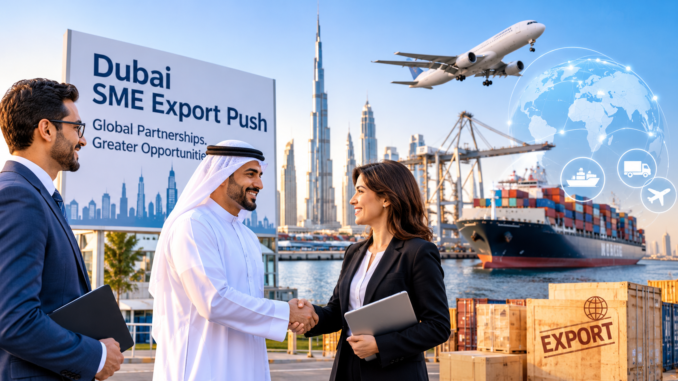
Nov 9: Dubai is strengthening its position as a global trade hub, with a growing focus on helping small and medium-sized enterprises (SMEs) reach international markets. Through partnerships with global logistics companies, export assistance programmes and business support initiatives, the emirate is working to make overseas expansion easier for local businesses.
For many smaller companies, exporting products to another country is not always straightforward. Finding reliable shipping partners, understanding customs procedures, managing transportation costs and reaching international buyers can require considerable time and investment. These challenges can discourage businesses from exploring markets beyond the UAE.
Dubai’s latest initiatives are aimed at addressing some of these barriers. By improving access to logistics services and export guidance, the emirate is creating new opportunities for SMEs looking to build an international customer base.
How Global Logistics Partnerships Are Creating New Export Opportunities for SMEs
Reliable logistics is essential for businesses entering international markets. A product may have strong demand overseas, but high shipping costs, delayed deliveries and complicated customs procedures can affect its competitiveness.
Dubai Chambers has been working with international logistics providers to make these services more accessible to businesses.
On 28 October 2026, Dubai Chambers signed an agreement with DHL Express to support companies looking to expand internationally. The partnership includes preferential shipping rates, customised services, customs clearance assistance, shipment tracking and guidance on cross-border trade. SMEs can also benefit from DHL’s GoTrade training initiatives.
Another agreement between Dubai Chambers and Emirates is expected to help businesses access international air freight through Emirates SkyCargo and door-to-door delivery through Emirates Courier Express.
These partnerships could be particularly useful for smaller exporters that do not have dedicated logistics teams. Access to established international networks can help them manage shipments more efficiently and concentrate on developing their products and customer relationships.
Dubai’s Export Assistance Programme Supports Local Manufacturers
Alongside logistics partnerships, Dubai is focusing on preparing businesses for the practical requirements of exporting.
In October 2026, the Department of Economy and Tourism organised an export-readiness workshop with DHL Express for more than 50 manufacturers under its Export Assistance Programme.
The initiative helps businesses understand international shipping requirements, customs procedures and supply chain arrangements. Eligible programme members can access preferential logistics rates, customised shipping services and support across different stages of the export process.
Dubai has also worked with logistics providers including DHL, Aramex and Al-Futtaim Logistics to improve access to tailored logistics solutions and end-to-end supply chain support.
For manufacturers planning to enter overseas markets, such assistance can reduce the difficulty of managing export operations independently. It can also help businesses identify potential problems before they begin shipping products internationally.
Latest UAE Trade Figures Highlight the Potential for SME Exports
The UAE’s latest foreign trade figures provide further context for Dubai’s growing export ambitions.
According to the UAE government’s foreign trade update released on 8 November 2026, non-oil foreign trade reached AED 2.945 trillion during the first nine months of 2026, representing a 10.1% increase compared with the same period last year.
Non-oil exports reached AED 705.8 billion, registering growth of 21.6%, while re-exports totalled AED 578 billion. Monthly non-oil exports also crossed AED 100 billion for the first time in September 2026.
The country’s international trade agreements are adding to this momentum. Non-oil trade with countries covered by the UAE’s Comprehensive Economic Partnership Agreements reached approximately AED 510.8 billion.
Dubai’s own export performance is also encouraging. Dubai Chamber of Commerce members recorded AED 356.5 billion in exports and re-exports in 2025, an increase of 15.1% compared with 2024.
Together, these developments point to a growing trade environment in which Dubai-based businesses can explore new customers, distribution networks and international markets.
Which Industries Can Benefit from Dubai’s SME Export Opportunities?
Dubai’s expanding trade and logistics ecosystem could benefit businesses across several sectors. However, the opportunities will depend on product demand, market regulations and the ability to deliver goods competitively.
Food and beverage companies could explore overseas demand for packaged foods, speciality products and processed ingredients. They will need to meet the food safety, labelling and certification requirements of their target markets.
Fashion and textile businesses could use Dubai’s international connections to reach retailers and distributors abroad. Reliable shipping arrangements are particularly important for companies dealing with seasonal collections and changing consumer demand.
Manufacturers may benefit from improved access to freight services and supply chain support when exporting industrial components, machinery and finished products.
Technology companies and e-commerce sellers could also explore cross-border opportunities. For these businesses, shipment tracking, efficient fulfilment and reliable last-mile delivery can influence customer satisfaction.
Beauty and personal care brands may find opportunities in international retail and online markets, provided their products meet local registration, packaging and safety requirements.
Challenges SMEs Must Address Before Entering International Markets
Although logistics partnerships can make exporting more accessible, international expansion still requires careful planning.
Businesses must understand the regulations of their target markets, including product certification, labelling, customs duties and import restrictions. Shipping costs, currency movements and payment delays can also affect profitability.
Choosing the right market is equally important. SMEs need to understand local customer preferences, identify reliable distributors and assess whether their products can compete on price and quality.
Companies should also consider export financing, insurance, documentation and after-sales support before committing to international expansion.
Access to logistics services can simplify the process, but long-term success will depend on a company’s ability to build a dependable supply chain and maintain consistent product standards.
Dubai’s Growing Role in International SME Trade
Dubai’s efforts to support exporters form part of its wider ambition to strengthen its position as a global trade and logistics hub. The Dubai Economic Agenda D33 places emphasis on expanding international trade, supporting local businesses and strengthening the emirate’s global economic connections.
For smaller companies, the biggest advantage could come from having several forms of support available through a more connected business ecosystem. Logistics partnerships, export-readiness programmes, financing options and international business networks can help SMEs take their first steps into overseas markets.
The next challenge will be turning these support initiatives into sustainable export growth. Businesses that understand their target markets, maintain product quality and develop reliable delivery arrangements will be better positioned to compete internationally.
As global trade continues to expand, Dubai’s focus on connecting SMEs with international logistics partners could create new opportunities for local businesses. For companies that have been considering overseas expansion, these developments may offer a more accessible starting point.
