
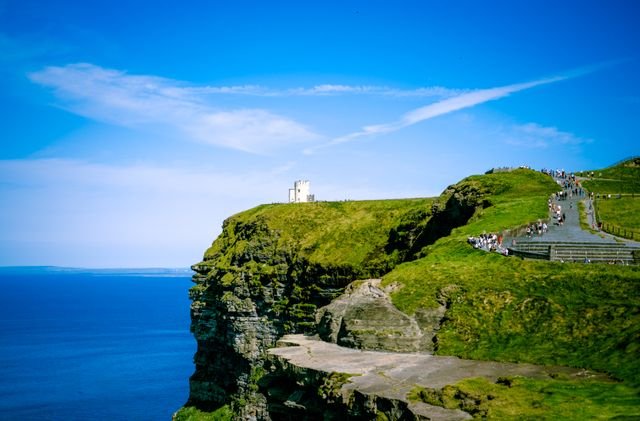
Ireland’s tourism industry is entering an important phase of growth, with cultural heritage, local traditions, food experiences and nature-based activities becoming increasingly important to the visitor experience. International travellers are looking beyond traditional sightseeing and showing interest in discovering the stories, communities and everyday life that make a destination unique. This shift is creating fresh opportunities for businesses across Ireland, from hotels and restaurants to independent tour operators, local food producers and cultural attractions.
Tourism remains a major contributor to the Irish economy. The sector generated an estimated €11.2 billion in total tourism earnings in 2025 and supported approximately 229,400 jobs across the country. The industry also includes more than 46,000 tourism-related enterprises, many of which are small and locally operated businesses. These figures highlight how visitor spending supports not only major attractions but also restaurants, transport providers, retailers, accommodation owners and regional communities.
The market has also shown renewed momentum in 2026. Ireland welcomed almost 5.3 million overseas visitors between January and September, an increase of 9% compared with the same period in 2025. Spending by these visitors reached approximately €4.6 billion, up 11%. This performance underlines the importance of international tourism and the commercial opportunities available to businesses that can offer attractive, well-organised visitor experiences.
As travel preferences continue to change, Ireland is placing greater emphasis on experiences that connect visitors with its cultural identity and natural environment. This approach is helping the country strengthen its international appeal while creating new opportunities for local enterprises.
Cultural Heritage Becomes a Strong Attraction for International Visitors
Ireland’s history and cultural identity remain among its most valuable tourism assets. The country is known for its historic castles, ancient monuments, traditional villages, museums, literature, music and storytelling. These attractions provide visitors with more than an opportunity to explore historical places; they offer a chance to understand the traditions and communities that have shaped Irish society.
The growing interest in cultural tourism is encouraging businesses to develop more engaging visitor experiences. Guided heritage walks, traditional music evenings, local storytelling sessions, historical tours and interactive exhibitions are helping travellers connect with Ireland in a more meaningful way.
Dublin’s EPIC The Irish Emigration Museum is an example of how technology and storytelling can make cultural heritage more engaging. Its interactive exhibitions explore the history of Irish emigration and the influence of Irish communities around the world. Experiences of this kind can attract visitors interested in family history, international connections and the country’s cultural contribution.
For businesses, this growing interest creates opportunities to develop specialist travel packages and educational experiences. Independent guides, museums, cultural organisations and local event organisers can attract visitors by presenting historical stories in ways that are informative, accessible and enjoyable.
Smaller tourism businesses can also benefit by working with established attractions and accommodation providers. A hotel, for example, can include a local heritage walk or cultural performance as part of its visitor package, creating additional value for guests while directing spending towards other businesses in the area.
Traditional Music and Storytelling Support Local Tourism Businesses
Traditional Irish music and storytelling continue to play an important role in the country’s international tourism image. Music sessions in local pubs, folk performances, cultural festivals and community events allow visitors to experience traditions that remain closely connected to everyday life.
For many international travellers, these activities offer something different from conventional tourist attractions. Listening to traditional music in a local setting or attending a storytelling event can provide a personal connection with the destination.
These experiences also create commercial opportunities for pubs, restaurants, musicians, event organisers and cultural venues. Visitors attending an evening performance may also dine at a nearby restaurant, stay in local accommodation or explore other attractions in the area.
Tourism operators can build on this demand by creating packages that combine live music, local food, guided tours and accommodation. Such partnerships can increase visitor spending and help smaller businesses attract customers who may otherwise focus only on major tourist destinations.
Festivals and cultural events can also support tourism beyond the traditional summer season. By organising activities throughout the year, local communities can attract visitors during quieter periods and create more consistent business opportunities.
Food and Drink Tourism Creates New Revenue Opportunities
Food tourism is becoming an important part of Ireland’s visitor economy. Travellers are increasingly interested in regional food, traditional recipes, local ingredients and the people behind the products they consume. This interest is giving restaurants, farmers, food producers, independent retailers and hospitality businesses new ways to reach customers.
Ireland’s brewing and distilling heritage is already a recognised attraction. The Guinness Storehouse in Dublin and the Jameson Distillery experience draw visitors interested in learning about the country’s beverage traditions. These attractions demonstrate how food and drink heritage can become a complete tourism experience through guided visits, exhibitions, tastings and hospitality services.
Beyond established attractions, regional food markets, farm visits, artisan producers and locally owned restaurants are adding variety to Ireland’s culinary tourism offering. Visitors can explore local ingredients, learn about food production and experience regional dishes that reflect the character of different communities.
This creates opportunities for small and medium-sized businesses. Local producers can collaborate with hotels and tour operators, while restaurants can develop menus around seasonal ingredients and regional specialities. Farm-based businesses can also generate additional income through food workshops, tasting sessions and educational visits.
The development of a dedicated culinary tourism strategy under Fáilte Ireland’s 2026–2029 corporate programme further reflects the importance of food and drink in the country’s tourism plans. For businesses, this creates a favourable environment to explore new partnerships, improve visitor services and develop distinctive food-based experiences.
Slow Tourism Encourages Visitors to Explore Regional Ireland
Another important development in the Ireland tourism industry is the growing emphasis on slow travel. Rather than trying to visit several destinations in a short period, travellers are increasingly interested in spending more time in individual locations and exploring their surroundings at a relaxed pace.
This approach gives visitors more opportunities to understand local culture, enjoy regional food and participate in outdoor activities. It also offers economic benefits to destinations beyond the country’s main tourist centres.
Initiatives such as Ireland Unrushed promote a more relaxed way of discovering the country. The approach encourages travellers to explore local communities, take scenic routes and spend time enjoying experiences rather than rushing between attractions.
Destinations such as Ireland’s Hidden Heartlands and the Dingle Peninsula have opportunities to benefit from this approach. Walking tours, cycling holidays, coastal excursions, farm visits and locally guided activities can encourage visitors to stay longer and spend more within regional economies.
For accommodation providers, this creates an opportunity to offer multi-day packages rather than relying only on short stays. Guesthouses, boutique hotels and rural lodges can work with local guides, restaurants and activity providers to develop complete travel experiences.
Longer stays can increase revenue across several businesses. A visitor who spends additional nights in a rural destination may use local transport, dine at independent restaurants, purchase regional products and participate in organised activities. This helps tourism spending reach a wider group of businesses.
Nature-Based Tourism Opens Opportunities for Rural Communities
Ireland’s natural landscape is another major reason international visitors choose the country. Its green countryside, rugged coastlines, mountains, lakes and walking routes provide a strong foundation for outdoor tourism.
Visitors can experience these landscapes through guided coastal walks, cycling routes, boat excursions, wildlife activities and outdoor adventure programmes. These services create opportunities for local guides, transport operators, equipment rental companies and rural accommodation providers.
Nature-based tourism can be particularly valuable for smaller communities where traditional employment opportunities may be limited. A locally operated boat tour, walking experience or farm visit can become an additional source of income while helping visitors discover places beyond the major cities.
However, the growth of this market also requires responsible planning. Popular coastal and rural locations need appropriate facilities, visitor management and environmental protection. Businesses that depend on natural attractions have a direct interest in protecting the landscapes that bring visitors to their destinations.
Sustainable operations, responsible visitor practices and cooperation with local authorities can help maintain these destinations for future generations while supporting long-term commercial activity.
Digital Technology Is Changing Ireland’s Tourism Business Landscape
Digital technology is playing a growing role in how travellers discover destinations, compare services and make bookings. International visitors often research hotels, restaurants, cultural attractions and tour packages online before deciding where to travel.
This makes digital visibility increasingly important for Irish tourism businesses. A small guesthouse, independent restaurant or local tour operator can reach international customers through a well-maintained website, online booking facilities, social media and travel platforms.
Businesses that provide clear information, attractive photographs, transparent pricing and reliable booking services can make it easier for potential visitors to choose their offerings. Positive customer reviews and timely communication can also influence booking decisions.
Technology can improve business operations as well. Online reservation systems can reduce manual work, while customer management tools can help businesses understand visitor preferences and maintain relationships with returning customers. Artificial intelligence can support customer enquiries, marketing activities and the management of routine administrative tasks.
Fáilte Ireland’s corporate strategy for 2026–2029 includes a focus on accelerating digital and AI adoption across the tourism sector. The objective is to help businesses improve productivity, visibility, booking conversion and commercial performance.
For smaller enterprises, adopting technology does not necessarily require major investment. Even basic improvements such as online payments, digital booking systems, updated business listings and responsive customer service can make a meaningful difference.
Tourism Growth Creates Opportunities for SMEs and Entrepreneurs
Ireland’s tourism economy supports a wide network of businesses, and the growing demand for specialised visitor experiences is creating room for new entrepreneurs.
A local farm can introduce guided agricultural visits, a food producer can organise tasting sessions, and an independent guide can develop walking tours focused on local history. Accommodation providers can work with restaurants and activity operators to offer packages that encourage visitors to explore an entire region.
These opportunities are particularly relevant for small and medium-sized enterprises because they allow businesses to build on existing local knowledge, products and resources. Rather than competing directly with large tourism companies, smaller operators can differentiate themselves through personal service, local expertise and experiences that are difficult to replicate elsewhere.
The sector also supports employment across hospitality, transportation, event management, customer service, food production and tourism administration. As demand develops, businesses will need trained employees who can provide quality service, communicate with international visitors and work with digital booking and management systems.
Collaboration will be important to achieving wider economic benefits. Hotels can partner with cultural attractions, restaurants can work with regional food producers, and tour operators can include community-led activities in their itineraries. These partnerships can strengthen the visitor experience while helping more tourism revenue remain within local communities.
Government Strategy Focuses on Regional Growth and Sustainable Tourism
Ireland’s tourism development plans increasingly recognise the importance of spreading visitor spending across different regions and extending tourism activity throughout the year.
The national tourism policy, A New Era for Irish Tourism, places emphasis on supporting tourism SMEs, strengthening regional destinations, improving competitiveness and encouraging sustainable development. The policy also sets out an ambition to increase combined overseas and domestic tourism revenue to €14.8 billion by 2031.
Fáilte Ireland’s 2026–2029 corporate strategy supports this direction through investment in destination development, culinary tourism, outdoor experiences, digital adoption and business support. These priorities are intended to help businesses improve their performance while making more destinations attractive to visitors.
For regional enterprises, this focus could create opportunities to develop new visitor products, improve facilities and build stronger connections with travel operators and tourism organisations. Better transport links, quality accommodation and improved visitor information will also be important in helping less-established destinations compete.
The success of these initiatives will depend on cooperation between businesses, communities and public authorities. Tourism growth needs to create lasting value for local economies rather than placing unnecessary pressure on infrastructure, housing, natural resources and community services.
Managing Costs and Seasonal Demand Remains Important
Despite the opportunities, Ireland’s tourism businesses continue to face practical challenges. Higher operating costs, staffing requirements, accommodation availability and seasonal fluctuations can affect profitability.
Smaller businesses may find it difficult to invest in new facilities, marketing and technology while managing day-to-day expenses. They also need to compete in an international market where travellers compare prices, reviews and services before making decisions.
Developing year-round visitor experiences can help reduce dependence on the peak summer season. Cultural events, food festivals, walking holidays and indoor attractions can encourage travel during quieter months.
Businesses can also improve their financial performance by building partnerships, using digital tools to manage bookings and focusing on experiences that provide clear value to visitors. Understanding customer preferences and managing operating costs will remain essential as the market becomes more competitive.
Ireland’s Tourism Industry Has Scope for Long-Term Business Growth
Ireland’s tourism market is evolving beyond traditional sightseeing towards a more experience-led model built around culture, heritage, food, nature and local communities. This development is creating opportunities for established tourism companies as well as smaller businesses looking to enter the market with distinctive services.
The latest visitor and spending figures demonstrate the sector’s economic importance, while national tourism strategies are placing greater attention on regional development, business competitiveness and digital transformation.
For hotels, restaurants, tour operators, cultural attractions and local entrepreneurs, the next stage of growth will depend on understanding what visitors value and delivering experiences that are authentic, convenient and worth the cost.
By combining its cultural identity and natural attractions with better digital services, stronger regional partnerships and sustainable business practices, Ireland can continue to strengthen its position in the international tourism market. The opportunity is not simply to attract more visitors, but to ensure that tourism creates lasting economic value for businesses and communities across the country.
