
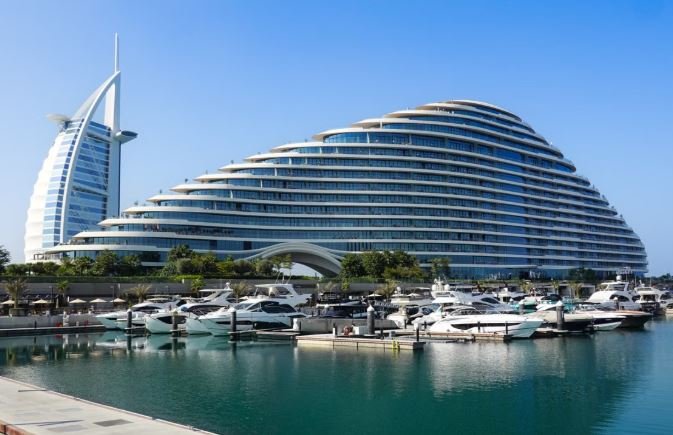
Dubai’s tourism industry is entering a new phase as sustainability becomes an increasingly important part of hotel operations and the overall visitor experience. Known for its luxury resorts, international hotels and world-class attractions, the city is now placing greater emphasis on responsible tourism, energy efficiency, waste reduction and environmental protection. Hotels are adapting their services and business strategies to meet changing traveller expectations while supporting the government’s long-term sustainability goals.
This transition is creating new opportunities as well as challenges for the hospitality sector. Hotels are investing in efficient equipment, reducing the use of disposable plastics, improving water management and working more closely with local suppliers. Sustainability is no longer limited to a hotel’s environmental message or marketing campaign. It is gradually becoming part of how properties manage resources, control operating costs and build relationships with guests.
The importance of this shift is becoming clearer as Dubai’s tourism market continues to expand. The city welcomed 19.59 million international overnight visitors in 2025, marking a 5% increase from the previous year. Hotel occupancy reached 80.7%, while occupied room nights increased to 44.85 million. Such strong demand gives hotels a larger responsibility to manage their environmental impact while maintaining service quality and business performance.
For hotel owners, investors, restaurant operators and hospitality suppliers, Dubai’s sustainable tourism strategy is creating a changing business environment. Companies that adapt early can improve operational efficiency, strengthen their market position and prepare for the next stage of tourism growth.
Dubai Sustainable Tourism Strategy Encourages Responsible Hospitality
The Dubai Department of Economy and Tourism (DET) launched the Dubai Sustainable Tourism initiative in 2016 to encourage hotels and other hospitality businesses to adopt more responsible operating practices. The programme supports Dubai’s wider economic and environmental ambitions, including the Dubai Economic Agenda D33, the UAE Net Zero 2050 strategy and the United Nations Sustainable Development Goals.
The initiative focuses on helping the hospitality industry understand and adopt practical sustainability measures. These include reducing energy and water consumption, improving waste management, encouraging responsible purchasing and involving employees and guests in environmental activities.
One of its most recognised programmes is the Dubai Sustainable Tourism Stamp. The stamp rewards hotels that demonstrate progress against 19 sustainability requirements covering environmental, social and governance practices.
The programme has gained considerable participation from the hotel industry. In its third cycle, announced in July 2026, DET recognised 237 hotels, compared with 153 in the previous cycle and 70 in the first year of the programme. The recognised properties received Gold, Silver and Bronze awards based on their performance.
This increase shows that sustainability is becoming a more established part of hotel management in Dubai. It also gives travellers a clearer way to identify hotels that are making efforts to operate responsibly.
For hotel businesses, the recognition can strengthen their reputation and provide an opportunity to communicate their sustainability performance to customers, corporate travel buyers and business partners.
What Steps Is the Dubai Government Taking to Promote Sustainable Tourism?
The government is supporting sustainable tourism through several programmes that connect hotel operations with wider environmental and economic priorities.
1. Dubai Sustainable Tourism Stamp for Hotels
The Dubai Sustainable Tourism Stamp is one of the government’s main initiatives for encouraging responsible hotel operations. Properties are assessed against 19 sustainability requirements that cover energy efficiency, water conservation, waste reduction, responsible sourcing, employee engagement and guest awareness.
The programme uses Gold, Silver and Bronze categories to recognise different levels of achievement. Its growing participation is encouraging hotels to review their existing practices and introduce measurable improvements.
The initiative also creates a common sustainability framework for the hospitality industry. Rather than allowing every property to follow an entirely different approach, it encourages businesses to work towards recognised standards and improve their performance over time.
2. Energy Efficiency and Water Conservation
Energy and water management are important priorities for Dubai because hotels operate in a climate where cooling, lighting, laundry, swimming pools and other facilities can require substantial resources.
Through its sustainability requirements and hotel classification framework, DET encourages properties to monitor consumption and adopt more efficient operating systems. Hotels can introduce smart lighting, efficient air-conditioning equipment, automated temperature controls, water-saving fittings and improved maintenance practices.
These changes can reduce unnecessary consumption while maintaining guest comfort. They also help hotel managers understand where resources are being used and identify areas where operating expenses can be reduced.
For the hospitality sector, better resource management is not simply an environmental measure. It can also support long-term cost control.
3. Dubai Can Initiative Reduces Single-Use Plastic
The Dubai Can initiative is another important government-led effort supporting sustainable tourism. Launched in 2022, it encourages residents, businesses and visitors to reduce their dependence on single-use plastic water bottles by using refillable containers.
More than 50 public drinking-water stations have been installed across Dubai, including locations such as beaches, parks, shopping areas and tourist attractions. The initiative has helped avoid the use of an equivalent of more than 18 million 500ml single-use plastic bottles since its launch.
Hotels are also responding by introducing refillable water bottles, filtered drinking-water facilities and alternatives to disposable packaging. These changes can reduce waste and improve the visitor experience by making sustainable choices more convenient.
For hotel operators, the initiative also creates opportunities to work with suppliers that provide reusable products, water filtration systems and environmentally responsible packaging.
4. Restrictions on Single-Use Plastic Products
Dubai has strengthened its approach to plastic reduction through regulations governing disposable products. The final phase of Executive Council Resolution No. 124 of 2023 came into effect on 1 January 2026, extending restrictions to a wider range of single-use plastic products, including cutlery, cups, plates, lids and tableware.
This measure has direct implications for hotels, restaurants, catering companies and food-service businesses. Properties need to review their purchasing arrangements and identify suitable alternatives to restricted products.
The change is also creating demand for reusable tableware, alternative packaging materials and suppliers that can support hotels in meeting the new requirements.
Businesses that plan their procurement and inventory changes carefully can manage the transition more effectively and avoid unnecessary disruption to daily operations.
5. Dubai Reef and Protection of Marine Ecosystems
Sustainable tourism also depends on protecting the natural environment that attracts visitors. Dubai Reef is part of the city’s efforts to support marine biodiversity, strengthen coastal ecosystems and encourage sustainable fishing.
The project aims to improve marine habitats and support fish populations through the development of artificial reef structures. It also has the potential to create opportunities for research, environmental partnerships and responsible marine tourism.
For hospitality and tourism businesses, protecting coastal and marine environments is important because these natural assets contribute to Dubai’s appeal as a destination for beach holidays, water sports and leisure activities.
6. Waste Management and the Circular Economy
Dubai’s Integrated Waste Management Strategy 2041 aims to improve waste reduction, recycling and resource recovery. The strategy is supported by investment in waste-management infrastructure and greater participation from the private sector.
Hotels can contribute by separating waste, improving recycling facilities, reducing food waste and working with suppliers that use less packaging. Restaurant kitchens can also introduce better inventory planning and portion management to reduce food discarded during preparation and service.
These measures can help hospitality businesses reduce disposal costs and improve the use of resources. They also create commercial opportunities for recycling companies, waste-management providers and businesses developing sustainable packaging solutions.
How Hotels Are Changing Their Business Operations
Government initiatives are encouraging hotels to look more closely at how their daily operations affect the environment. For many properties, the transition involves reviewing several departments rather than introducing one isolated green programme.
Energy management is a major area of attention. Hotels are increasingly exploring efficient cooling systems, LED lighting, smart controls and automated monitoring. Since air-conditioning is an essential requirement in Dubai’s climate, improvements in cooling efficiency can make a meaningful difference to resource consumption.
Water management is equally important. Hotels use water for guest rooms, swimming pools, landscaping, laundry and food preparation. Low-flow fittings, water-efficient equipment and improved maintenance can help reduce unnecessary consumption.
Waste reduction is another priority. Hotels and restaurants are reviewing packaging, disposable products and food purchasing practices. Better forecasting can help kitchens purchase ingredients according to actual demand, while donation and recycling arrangements can reduce the amount of usable food and materials sent to waste.
Some properties are also reviewing their procurement strategies. Choosing locally available products where practical, reducing excessive packaging and working with responsible suppliers can improve supply-chain efficiency.
These operational changes require investment and planning, but they can help hotels develop more efficient business models over time.
Sustainable Tourism Creates New Business Opportunities in Dubai
Dubai’s sustainability drive is opening opportunities for companies across several industries. The changes taking place within hotels are creating demand for products, services and technologies that support responsible hospitality.
Energy and building technology providers: Hotels need efficient air-conditioning systems, smart lighting, building automation, energy monitoring and maintenance solutions. This creates opportunities for technology companies and engineering service providers.
Water management businesses: Water filtration, recycling systems, leak detection, efficient plumbing equipment and water-monitoring technologies are becoming more relevant to hospitality operators.
Sustainable packaging suppliers: Restrictions on disposable plastics are encouraging hotels, restaurants and catering businesses to explore reusable tableware, alternative packaging and environmentally responsible materials.
Waste management companies: Hotels require practical solutions for waste collection, recycling, food waste management and responsible disposal. This creates opportunities for specialist service providers.
Local food producers: Restaurants and hotel kitchens can develop stronger relationships with farms, food suppliers and regional producers. Such partnerships can support local businesses while helping hotels diversify their menus and purchasing options.
Digital technology companies: Software for monitoring energy consumption, managing resources, tracking waste and measuring sustainability performance can help hotels make better operational decisions.
Small and medium-sized businesses can also benefit from this transition. Companies that provide cleaning products, reusable guest amenities, maintenance services, landscaping, food supplies and environmental consulting may find new opportunities by working with hotel groups and independent properties.
The Economic Impact of Sustainable Tourism on Dubai
The shift towards sustainable tourism can have an impact well beyond environmental protection. It can influence hotel profitability, investment decisions, employment, supply chains and the wider business economy.
One of the most immediate potential benefits is improved operating efficiency. Energy-saving equipment, water conservation and waste reduction can help hotels manage recurring expenses. Although introducing these systems may require initial investment, their long-term value can be reflected in lower resource consumption and more efficient operations.
Sustainability can also strengthen a hotel’s market position. Some travellers, particularly those who actively consider environmental and social responsibility when booking accommodation, may prefer properties that demonstrate credible sustainability practices. A recognised certification or transparent sustainability information can help hotels communicate their efforts more effectively.
For investors, sustainability performance is becoming an increasingly relevant consideration when assessing hospitality assets. Properties with efficient infrastructure and well-managed environmental practices may be better prepared for changing regulations, operating costs and customer expectations.
The impact also extends to employment. Demand for energy management, environmental monitoring, waste management, sustainable procurement and building maintenance can create opportunities for skilled workers and specialist service providers.
At the same time, greater demand for responsible products can support local suppliers and encourage new businesses to enter the hospitality supply chain.
Changing Traveller Expectations Are Influencing Hotel Competition
The modern hotel experience is increasingly shaped by convenience, service quality, technology and a property’s overall approach to responsible operations.
Travellers still expect comfortable rooms, good food, reliable service and attractive facilities. Sustainability must therefore work alongside these expectations rather than reduce the quality of the guest experience.
Hotels are responding by making environmentally responsible choices easier for customers. Refillable water facilities, reduced disposable packaging, digital information and clear communication about sustainability practices can encourage guests to participate without making their stay less convenient.
Social responsibility is also an important part of the wider discussion. Inclusive services, accessible facilities, employee welfare and engagement with local communities can help hotels create a more complete approach to responsible tourism.
For hospitality businesses, this means sustainability needs to be reflected in the overall customer experience. A hotel that communicates its environmental commitments but fails to deliver consistent service may struggle to build lasting customer confidence.
Challenges Hotels Need to Address
Despite the growing interest in sustainable hospitality, the transition is not without challenges. Installing energy-efficient equipment, upgrading water systems and replacing disposable products can increase initial operating and capital expenses.
Smaller hotels may find it particularly difficult to make these investments while managing staffing, maintenance and other business costs. They may also need technical support to measure energy consumption, calculate environmental performance and understand certification requirements.
Supply-chain availability can create another challenge. Hotels need reliable suppliers that can provide suitable alternatives to disposable products without compromising hygiene, durability, service quality or affordability.
Staff training is equally important. Employees need to understand new operating procedures, waste separation, resource management and the role they play in delivering a sustainable guest experience.
Hotels that treat sustainability as a long-term management priority rather than a short-term marketing activity will be better positioned to manage these challenges. Setting realistic targets, tracking performance and reviewing progress regularly can make the process more practical.
Dubai’s Sustainable Tourism Strategy and the Road Ahead
Dubai’s approach to sustainable tourism reflects a wider effort to combine international tourism growth with responsible economic development. The Dubai Sustainable Tourism initiative, the Sustainable Tourism Stamp, Dubai Can, Dubai Reef and waste-management policies are encouraging businesses to make environmental considerations part of their operating strategies.
The growth in the number of hotels receiving the Sustainable Tourism Stamp shows that the hospitality sector is responding to this direction. At the same time, the city’s strong visitor numbers underline the importance of ensuring that tourism expansion is supported by efficient resource management and responsible business practices.
For hotel operators, investors and suppliers, the next stage will involve making sustainability measurable, commercially practical and part of everyday decision-making. Businesses that invest in efficient systems, responsible procurement and staff development can strengthen their operations while preparing for changing customer expectations.
Dubai’s sustainable tourism strategy is therefore more than an environmental initiative. It is also a business transformation that is influencing how hotels invest, operate, compete and build long-term relationships with travellers. As the hospitality industry continues to adapt, sustainability is likely to become an increasingly important part of Dubai’s reputation as a leading international tourism destination.
