
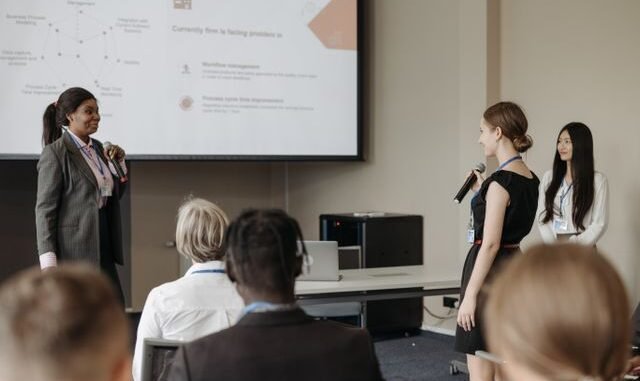
Education is entering a period of change as students, employers and educational institutions increasingly recognise the importance of learning beyond textbooks and examinations. A degree remains valuable, but businesses are placing greater importance on whether graduates can apply their knowledge, solve problems and contribute effectively in a professional environment. This shift is creating new opportunities for experiential learning and career-focused education.
Traditional education has largely centred on classroom teaching, academic assessments and theoretical knowledge. While these remain essential, they do not always give students enough exposure to the practical challenges of working life. A student may understand marketing principles, financial management or business strategy but still struggle when asked to manage a real project, communicate with clients or make decisions under pressure.
Experiential learning is helping address this gap by bringing practical activities into the education system. Through internships, industry projects, business simulations, apprenticeships and hands-on assignments, students get opportunities to experience how knowledge is used outside the classroom. For educational institutions, this shift is not simply a teaching improvement. It is also creating a growing business opportunity in professional training, industry partnerships, digital education and specialised skill development.
Why Practical Education Is Becoming More Important
The expectations of employers are changing alongside the workplace. Companies increasingly need employees who can adapt to new situations, communicate clearly, work with different teams and understand business problems. Academic qualifications provide a foundation, but employers also want evidence that candidates can turn their knowledge into useful results.
This is where experiential learning makes a difference. Instead of asking students only to study a business concept, institutions can give them assignments that reflect actual professional responsibilities.
For example, marketing students can develop campaigns for real organisations, finance students can analyse business performance, and management students can work on operational challenges. Such activities allow learners to understand the responsibilities involved in professional work.
Practical exposure also teaches students how to handle situations that cannot always be explained through textbooks. They learn to respond to feedback, reconsider their decisions, manage deadlines and improve their work when the first attempt does not produce the expected outcome.
For employers, these experiences provide a better understanding of a candidate’s abilities. A student who can explain a project, describe the challenges faced and demonstrate the final outcome may offer stronger evidence of workplace readiness than someone who can only list academic achievements.
Educational Institutions Are Rethinking Their Business Models
The growing demand for career-ready graduates is encouraging schools, colleges, universities and private training providers to rethink how they design and deliver education.
Instead of offering only long-term academic programmes, institutions can introduce shorter, specialised courses that address specific professional requirements. Certificate programmes, skill-based workshops, professional bootcamps and modular learning pathways can help students develop particular capabilities without committing to another full-time degree.
These programmes also create opportunities to serve different customer groups. Recent graduates may need workplace preparation, while working professionals may want to improve their technical knowledge or move into new roles. Businesses may also approach training providers to develop customised learning programmes for their employees.
For education companies, this creates several potential revenue streams, including course fees, corporate training contracts, certification programmes and digital learning subscriptions.
However, commercial success will depend on the quality of training. Students and employers are more likely to value programmes that demonstrate clear learning outcomes and practical benefits rather than simply offering another certificate.
Industry Partnerships Can Strengthen Education and Recruitment
One of the most important developments in career-focused education is the closer relationship between educational institutions and businesses.
Companies understand the skills they need, while colleges and universities have the ability to develop future talent. Working together allows both sides to address the gap between academic learning and professional requirements.
Businesses can participate in curriculum development, offer internships, provide mentors and introduce students to real workplace challenges. Educational institutions, in turn, can use this industry feedback to update their courses and make learning more relevant.
Live consulting projects are particularly useful. Students can work with an organisation to examine a business problem, understand its requirements and prepare solutions that the company can review or potentially implement.
These partnerships also benefit employers. By engaging with students before graduation, companies can identify promising candidates, observe their working styles and assess their problem-solving abilities. This can make recruitment more effective by giving employers additional evidence beyond interviews and academic records.
For smaller businesses, participation in educational partnerships can also provide access to fresh ideas and research support without requiring large internal teams.
Internships and Apprenticeships Are Becoming Important Career Pathways
Internships and apprenticeships are among the most familiar forms of work-based learning, but their role is expanding beyond short-term workplace exposure.
A well-designed internship allows students to understand professional expectations, work with experienced employees and take responsibility for specific assignments. Apprenticeships offer a more structured combination of training and practical employment, helping learners develop skills while gaining workplace experience.
For employers, these programmes create an opportunity to develop talent according to their operational needs. Instead of recruiting candidates who require extensive initial training, businesses can introduce learners to their systems, processes and working culture at an earlier stage.
Educational institutions can also build stronger relationships with companies by coordinating internship placements and monitoring student progress.
There is business potential for specialised platforms that connect students, colleges and employers. Such services can help organisations advertise opportunities, assess applications, manage placements and track learning outcomes.
The success of these models, however, depends on ensuring that students receive meaningful responsibilities rather than being limited to routine administrative work.
AI and Digital Platforms Are Expanding Learning Opportunities
Technology is creating new possibilities for experiential education. Students no longer need to depend entirely on physical classrooms or local industry access to develop practical skills.
Online learning platforms, virtual laboratories, simulation software and remote project environments allow learners to participate in activities that resemble professional situations. These tools can help institutions reach students in different locations while reducing some of the limitations associated with traditional training.
Artificial intelligence is adding another dimension to this transformation. Students can use AI tools to support research, organise information, analyse data and explore possible solutions. These capabilities are particularly relevant in business education, where AI is increasingly influencing marketing, finance, operations and management.
However, using AI does not automatically mean that a student has developed professional skills. Institutions must ensure that learners understand the information generated by these tools and can explain the decisions they make.
For instance, a student preparing a marketing strategy should be able to explain the target audience, justify the campaign approach and assess its expected business value. An AI-generated presentation alone cannot demonstrate these abilities.
Teachers can introduce individual assessments, oral discussions, project documentation and practical demonstrations to understand how students arrive at their conclusions. This helps maintain academic quality while allowing learners to benefit from technology.
The wider opportunity for education businesses lies in developing platforms that combine digital learning with practical assignments, professional feedback and measurable skill assessments.
Not Every Classroom Project Delivers the Same Career Value
The quality of experiential learning depends on how closely an activity reflects actual professional responsibilities.
Projects involving real clients, external feedback and measurable outcomes generally offer stronger evidence of a student’s ability to perform in a workplace. Students must understand requirements, work within limitations, revise their approach and deliver something that another organisation can evaluate.
Industry-based assignments also provide valuable experience. For example, students can prepare a product launch plan, develop a sales strategy, analyse financial information or create a digital marketing campaign using professional methods.
Organisational projects, such as preparing employee training plans or suggesting improvements to internal communication, can help students understand management and workplace coordination. Case competitions and hypothetical strategy presentations also have educational value, particularly for developing research and communication skills. However, they may offer less evidence of execution when there is no opportunity to implement the proposed ideas.
This distinction matters for institutions designing their programmes. The objective should not be to increase the number of projects simply to advertise practical learning. It should be to ensure that assignments help students demonstrate what they can actually do.
New Opportunities for Education and Training Businesses
The shift towards career-focused learning is creating opportunities across several areas of the education industry.
Professional skill development: Training providers can develop specialised courses in business communication, financial analysis, digital marketing, project management, data analytics and other workplace skills.
Corporate learning services: Companies can partner with education providers to train employees, improve management capabilities and prepare teams for changing technology requirements.
Internship and recruitment platforms: Digital businesses can build services that connect students with employers and help manage internships, apprenticeships and entry-level recruitment.
Online assessment and certification: Technology companies can develop tools that evaluate practical skills through assignments, simulations, project reviews and professional assessments.
Industry-specific education: Institutions can offer focused programmes for sectors such as healthcare, manufacturing, finance, retail, hospitality and information technology.
Career guidance and mentoring: Education businesses can provide professional counselling, interview preparation, portfolio development and career planning services.
These opportunities are not limited to large universities. Smaller colleges, independent training centres and education startups can also participate by focusing on specific industries, professional skills or regional employment needs.
Making Practical Education Accessible to More Students
Despite its potential, experiential learning also faces challenges. Not every institution has strong industry connections, sufficient resources or access to companies willing to offer live projects. Smaller institutions may find it difficult to arrange internships for large student groups.
There is also a need to make practical education affordable. If quality industry exposure is available only through expensive programmes or unpaid internships, many students may struggle to access the same opportunities.
Institutions can address some of these limitations through partnerships with local businesses, alumni networks, professional associations and small enterprises. Virtual projects and supervised simulations can provide additional opportunities where direct workplace exposure is not possible.
Companies can also contribute by offering short-term projects, mentorship sessions and structured work-based assignments. These arrangements allow businesses to participate without having to create large internship programmes.
For education providers, building accessible and flexible learning models can expand their potential student base while helping address different employment requirements.
Measuring Success Beyond Degrees and Certificates
One of the biggest changes in career-focused education is the growing need to measure what students can actually achieve.
Traditional assessments often focus on examination results, attendance and academic performance. These indicators remain important, but they do not always reveal whether a learner can apply knowledge in a professional setting.
Institutions can strengthen their evaluation methods by examining project outcomes, individual contributions, problem-solving approaches and the ability to respond to feedback.
Students should also be encouraged to maintain professional portfolios containing reports, presentations, completed assignments and other examples of their work. These materials help them communicate their abilities during recruitment.
Employers can use such evidence to understand how candidates approach responsibilities and whether their skills match the requirements of a position.
This approach also gives educational institutions a clearer way to evaluate their programmes. Rather than measuring success only through enrolment numbers or course completion, they can pay greater attention to skill development, employer feedback and career progression.
The Future of Education Is Closely Connected to the Workplace
Experiential learning is changing the way education is delivered and creating a stronger connection between academic institutions and the business community. As professional requirements evolve, students will need more than theoretical knowledge to remain competitive. They will need the confidence to apply what they learn, adapt to unfamiliar situations and take responsibility for their decisions.
For educational institutions, this transition creates an opportunity to develop more relevant courses and build long-term relationships with employers. For businesses, it provides a way to access emerging talent and contribute to workforce development. For education startups and technology providers, it opens new markets in digital training, professional assessments and career development services.
The long-term value of career-focused education will depend on how effectively institutions turn classroom knowledge into practical ability. A successful programme should not simply prepare students to pass examinations or collect qualifications. It should help them understand the workplace, demonstrate their capabilities and build careers that can grow with changing industry demands.
Ultimately, the future of education will be shaped not only by what students know, but by how confidently and effectively they can put that knowledge into practice.
