
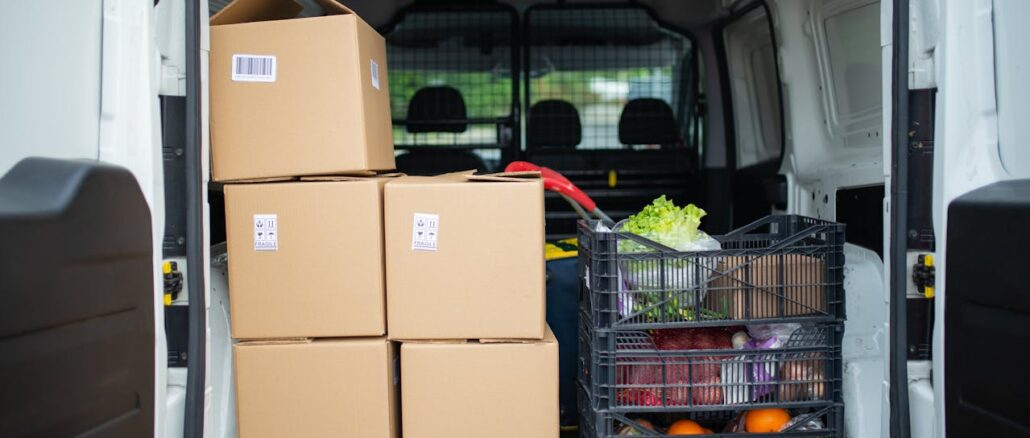

Consumer habits have changed the way food brands think about logistics. Shoppers now expect fresh products, convenient delivery, attractive packaging, easy subscriptions, and reliable availability across multiple channels. A food brand is no longer judged only by taste, price, or ingredient quality. It is also judged by what happens after the order is placed.
That shift has made the cold chain more visible and more demanding. Temperature control, inventory rotation, packaging, delivery timing, and order accuracy all influence whether a product arrives in the condition the customer expects. For growing food and beverage companies, logistics has moved from the back of the business to the center of the customer experience.
The challenge is not only keeping cold products cold. It is building a fulfillment process that protects quality while supporting ecommerce, retail distribution, subscriptions, marketplace sales, and seasonal spikes. That is where the food logistics conversation is heading.
1. Cold Chain Logistics Is Now Part of the Brand Experience
In the past, many food companies treated logistics as a practical necessity. Products were stored, packed, shipped, and delivered. Today, food products fulfillment has become part of how customers understand a brand.
A customer ordering a specialty snack box, refrigerated beverage, meal starter, sauce bundle, or wellness focused food product expects the experience to feel organized from start to finish. The box should arrive intact. The product should look fresh. Inserts, samples, and packaging should feel intentional. If the order is part of a subscription, the timing should be consistent.
For business leaders, that means cold chain planning cannot sit apart from marketing, product development, and customer service. A well designed logistics process supports customer trust. A weak one creates refunds, complaints, damaged inventory, and lost repeat sales.
Food brands also face a wider range of sales channels than they did a decade ago. A product can sell through a Shopify store, Amazon, wholesale buyers, club stores, specialty retailers, and subscription programs at the same time. Each channel has its own expectations, labels, packaging rules, and delivery requirements.
2. Temperature Control Is Only One Piece of the Puzzle
Cold chain logistics often starts with temperature, but it does not end there. Temperature sensitive products need careful handling at every point, from receiving and storage to packing and shipping.
The greater challenge is consistency. One delayed transfer, poorly packed carton, or mislabeled shipment can affect product condition. For perishable and shelf stable food products alike, quality depends on controlled processes and clear handling standards. Strong fulfillment operations usually focus on details such as:
- Product receiving and inspection
• Lot tracking and expiration date visibility
• FIFO and FEFO inventory rotation
• Packaging matched to product sensitivity
• Clear labeling and order verification
• Fast exception reporting when something goes wrong
These steps are not exciting, but they protect the business. They also help food brands keep better control over shelf life, customer satisfaction, and retail readiness.
3. Consumers Want Freshness, Convenience, and Choice
Today’s food buyers are practical. They want products that fit their routines. Some want weekly subscriptions. Others want variety packs, sample kits, pantry bundles, or limited seasonal drops. Many discover food brands online before seeing them in stores.
That has changed how companies approach food products fulfillment. A warehouse no longer handles only cartons and pallets. It often supports custom kits, direct to consumer parcels, recurring orders, retail packs, marketplace bundles, and wholesale shipments.
A beverage company launching a new variety pack needs assembly support. A snack brand preparing for club store placement needs palletization and routing compliance. A specialty food company selling online needs branded inserts, accurate small parcel shipping, and inventory visibility. These are different workflows, but they often need to happen under one coordinated system.
The brands that adapt well are the ones that treat fulfillment as a flexible operating model, not a fixed shipping task.
4. Kitting and Bundling Are Becoming More Important
Food and beverage brands often rely on bundles to introduce products, lift average order value, and create a better trial experience. A customer who hesitates to buy a full case of one flavor is often more comfortable buying a variety pack.
That is why kitting has become a practical tool for food growth. It helps brands test products, prepare retail promotions, support influencer mailers, and create subscription boxes without overwhelming internal teams. Common examples include:
- Sample packs for new customers
• Multi flavor beverage bundles
• Seasonal snack boxes
• Retail display kits
• Club store variety packs
• Subscription box assemblies
Kitting also reduces friction for retailers and marketplaces. When products arrive already labeled, packed, wrapped, and organized according to channel requirements, brands avoid delays and chargebacks. The customer sees the finished experience, but the business benefits from cleaner operations behind the scenes.
5. Retail Compliance Has Become Harder to Ignore
Selling food products through major retail channels brings opportunity, but it also brings rules. Retailers and distributors often require specific labels, pallet configurations, routing guides, advance shipment notices, barcodes, and documentation.
For a small or mid sized brand, these requirements take time to manage. A missed label or incorrect shipment detail creates delays before the product ever reaches the shelf. In a cold chain setting, delays are not only inconvenient. They affect shelf life, inventory planning, and revenue timing.
That is why B2B fulfillment support matters. Food brands need logistics processes that understand both ecommerce and wholesale distribution. The same product line often moves in several directions at once. One order goes to a household customer. Another goes to a marketplace warehouse. Another ships to a distributor or retail partner.
When all of those workflows are managed with clear systems, brands gain better control over growth.
6. Real Time Visibility Is Becoming a Business Requirement
Food logistics depends on timing. Brands need to know what is in stock, where inventory sits, which lots are moving, and where exceptions are happening.
Real time visibility helps teams make better decisions. It also reduces the guesswork that often comes with fast growth. If a brand is preparing a promotion, launching a new SKU, or entering a new retail channel, it needs accurate inventory information before committing to demand.
In today’s food products fulfillment, visibility also supports customer service. When a customer asks about an order, the brand needs a clear answer. When a retailer requests shipment details, the business needs reliable data. When a product batch has an issue, lot tracking helps identify the affected inventory faster.
Good data does not replace good warehouse work. It makes good warehouse work easier to manage.
7. Seasonal Demand Requires More Flexible Fulfillment
Food brands often experience sharp demand changes. Holiday gift boxes, summer beverages, back to school snacks, wellness campaigns, and limited releases all create pressure on fulfillment teams.
A brand handling fulfillment internally often manages steady order volume well, then struggles during peaks. Extra labor, temporary packing space, supplies, and shipping coordination all become urgent at once.
Flexible fulfillment support helps brands prepare before demand hits. That preparation includes packaging materials, labor planning, inventory forecasts, carrier coordination, and clear pick and pack workflows.
Seasonal planning also protects the customer experience. A holiday gift box that arrives late loses some of its value. A subscription shipment that misses its normal window creates frustration. In food, timing is part of quality.
8. Packaging Has to Protect the Product and Support the Sale
Packaging plays two roles in food logistics. It protects the item during storage and shipping, and it shapes the customer’s first impression.
A plain box can still do the job, but food brands often need more. Inserts, samples, branded materials, dividers, shrink wrapping, insulated materials, and retail ready packaging all serve a purpose. The goal is not decoration for its own sake. The goal is to make the product easier to ship, easier to understand, and easier to enjoy.
For direct to consumer orders, packaging helps the customer feel that the purchase was handled with care. For retail and wholesale shipments, packaging helps the product move through receiving, shelving, and display with fewer issues.
Food products fulfillment now sits at the point where operations and presentation meet. Brands that understand both sides create a more reliable experience.
9. Growth Requires Fulfillment That Can Handle More Than One Channel
Many food businesses begin with one channel. They sell at markets, through a website, on Amazon, or to a small group of retailers. Over time, the channel mix becomes more complicated.
That is when fulfillment decisions start to shape growth. A brand entering national retail needs different support than one shipping single orders from an ecommerce store. A subscription business needs recurring accuracy. A marketplace seller needs compliance with platform rules. A wholesale brand needs palletization, labeling, and routing guide support.
The challenge is not choosing one channel over another. It is building an operation that allows channels to work together without creating confusion.
A capable fulfillment setup gives brands room to test, learn, and expand. It also prevents internal teams from spending too much time on packing details when they need to focus on sales, product quality, and customer relationships.
10. The Future of Food Logistics Will Be Practical, Not Flashy
The cold chain challenge is not solved by one tool or one trend. It is solved through disciplined processes, better visibility, careful packaging, accurate inventory rotation, and fulfillment systems that match how people buy food today.
Food and beverage companies are operating in a market where customers expect convenience and retailers expect precision. That combination puts pressure on every part of the supply chain.
For growing brands, the lesson is straightforward. Logistics is no longer just the final step after a sale. It is part of the product promise. When fulfillment protects freshness, supports multiple channels, and keeps orders moving accurately, the brand becomes easier to trust.
The companies that adapt will not be the ones chasing complexity. They will be the ones building steady, flexible systems that keep food moving safely, efficiently, and with the level of care customers now expect.