

Roorkee / New Delhi | 13 April 2026 – In a significant contribution to India’s clean energy transition, the Indian Institute of Technology Roorkee has developed a comprehensive national-level report titled “Paving the Way Forward for Pumped Storage Hydropower (PSP) Development in India”, outlining strategic pathways to enable long-duration energy storage and support the country’s Net Zero 2070 goals.
The report was formally released by Shri Santosh Kumar Sarangi, Secretary, Ministry of New and Renewable Energy (MNRE), who emphasized the strategic importance of Pumped Storage Hydropower in India’s energy transition.
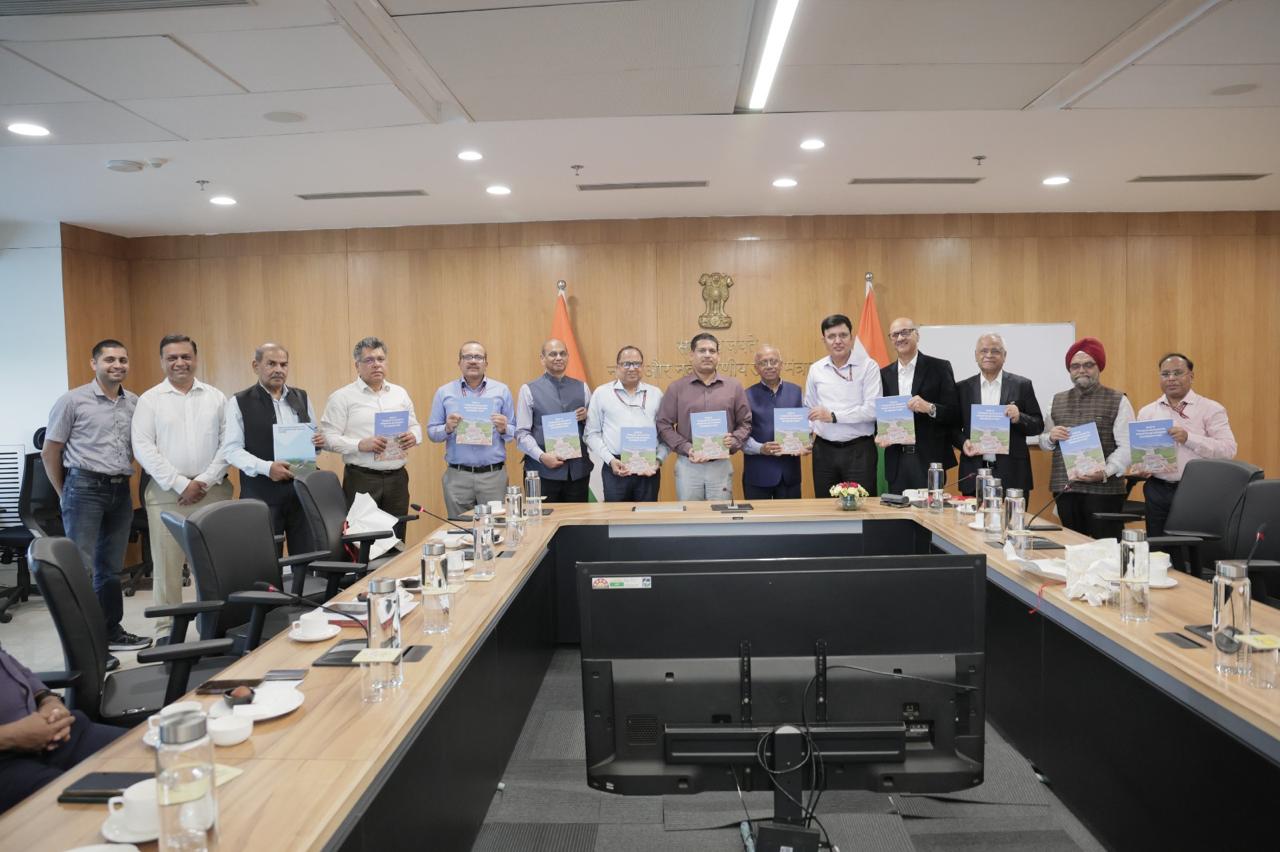
Shri Santosh Kumar Sarangi stated, “Pumped Storage Hydropower will play a critical role in enabling large-scale integration of renewable energy and ensuring grid stability in the years ahead. As India accelerates towards its Net Zero targets, such evidence-based studies are essential to guide policy, investment, and implementation. This report provides valuable insights to strengthen our efforts towards building a resilient, reliable, and sustainable energy ecosystem.”
conducted under the leadership of Prof Arun Kumar, the study presents a comprehensive framework that addresses key barriers and enabling factors to accelerate PSP deployment across India. It provides actionable insights into policy, regulatory, financial, and technological dimensions essential for scaling up PSP infrastructure.
The report identifies critical challenges, including policy and clearance bottlenecks, financing constraints, land and geological complexities, and limited private sector participation. It further recommends targeted mitigation strategies, such as streamlined approval mechanisms, innovative financing models, risk allocation frameworks, and institutional coordination, to enable efficient project execution.
A key highlight of the study is the exploration of next-generation PSP configurations, including sea-based systems along India’s western coastline and the utilisation of abandoned mines for decentralised storage solutions. These approaches present opportunities for optimal land use, reduced environmental impact, and enhanced regional energy resilience.
The study also evaluates multiple business models for PSP integration, demonstrating their financial viability and potential to support renewable energy integration at scale. It underscores the importance of indigenisation and advanced research in critical technologies to reduce import dependency and strengthen India’s self-reliance in the energy sector.
Prof. Kamal Kishore Pant, Director, IIT Roorkee, in his foreword reflected IIT Roorkee’s commitment to advancing science-driven solutions for India’s clean energy transition. Pumped Storage Hydropower will play a pivotal role in enabling reliable, scalable, and sustainable energy systems, not only supporting national priorities but also contributing to global climate goals.”
Shri Ghanshyam Prasad, Chairman, Central Electricity Authority (CEA) highlighted the critical role of Pumped Storage Projects (PSPs) in enabling large-scale integration of renewable energy and ensuring grid stability. He emphasised the need for coordinated policy support, stakeholder alignment, and accelerated deployment to meet India’s growing energy demands sustainably.
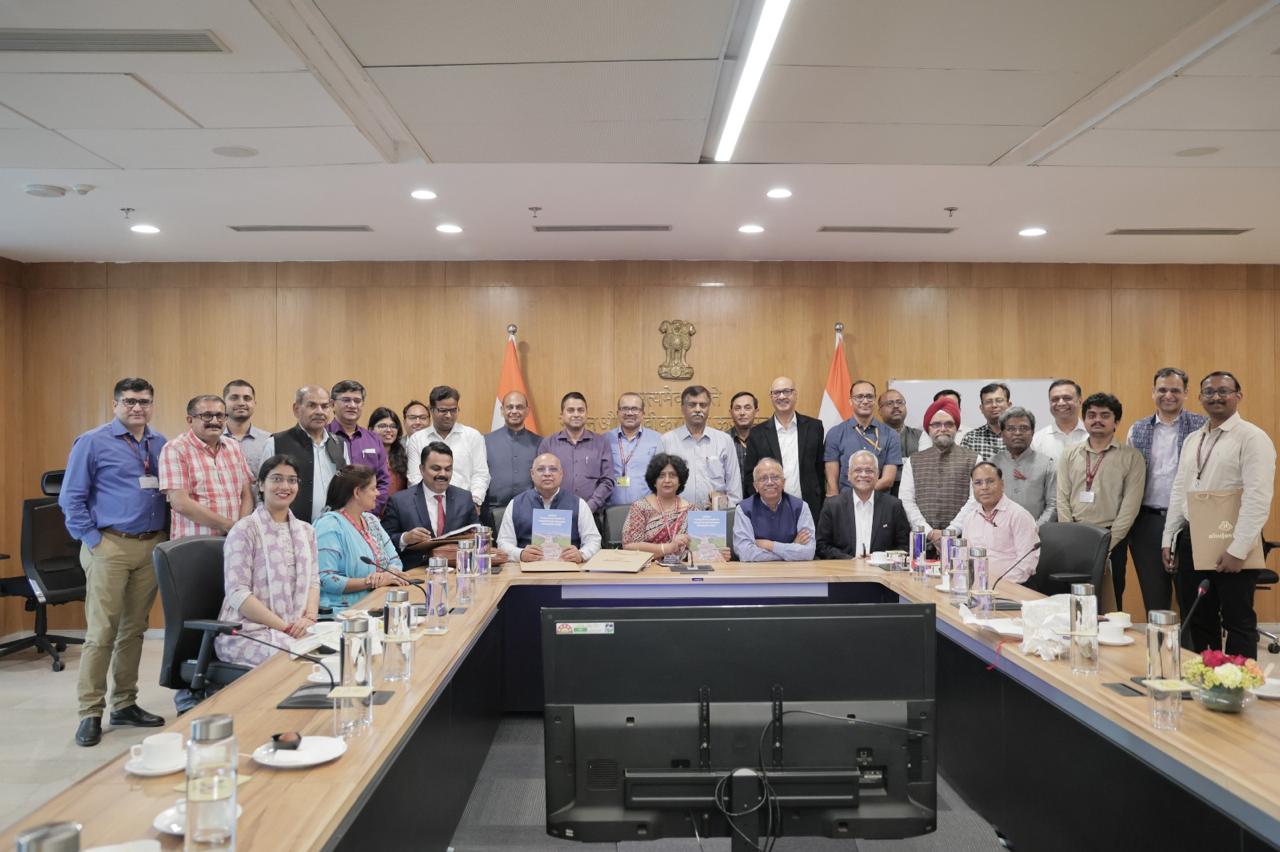
The event featured senior officials from MNRE and the Central Electricity Authority (CEA), along with a diverse group of industry leaders, government and private developers, financial institutions, and domain experts, underscoring the growing national emphasis on long-duration energy storage solutions.
Distinguished attendees included Shri Mayank Tiwari, Additional Secretary, MNRE; Shri Mayank Tiwari; Shri Akash Tripathi, Managing Director, Solar Energy Corporation of India Ltd.; and Shri Minhas Alam, Chairman and Managing Director, Kerala State Electricity Board, Dr Ajay Mathur, They were joined by senior officials from MNRE and CEA, PSP developers, equipment suppliers, consultants, representatives from government institutions, CPSUs and state PSUs, leading advisory firms, financial institutions, and technology providers.
Speaking on the occasion, Prof. Arun Kumar, IIT Roorkee, thanked the Secretary MNRE for graciously agreeing to release the report. Prof. Kumar emphasised that this report was developed in close coordination with various PSP stakeholders across the country and can serve as a basis for further studies and the development of PSP. He further mentioned that India must invest heavily in research and development to increase the indigenous development of those PSP technologies that we still import.
By bridging research, policy, and industry perspectives, the study positions IIT Roorkee at the forefront of India’s clean energy discourse. It is expected to serve as a critical reference for policymakers, utilities, and global stakeholders working towards resilient, low-carbon energy systems.
Beyond its technical contributions, the initiative underscores the broader societal impact of sustainable energy, ensuring reliable power access, supporting economic growth, and enabling a cleaner environment for future generations, while reinforcing India’s leadership in the global transition towards renewable and climate-resilient energy systems.
