

Access to clean and safe drinking water is fundamental to human health. Because water directly affects bodily functions and overall wellbeing, maintaining its quality is essential. One of the most effective ways to safeguard drinking water is through regular testing, which helps identify harmful contaminants and ensures timely corrective action.
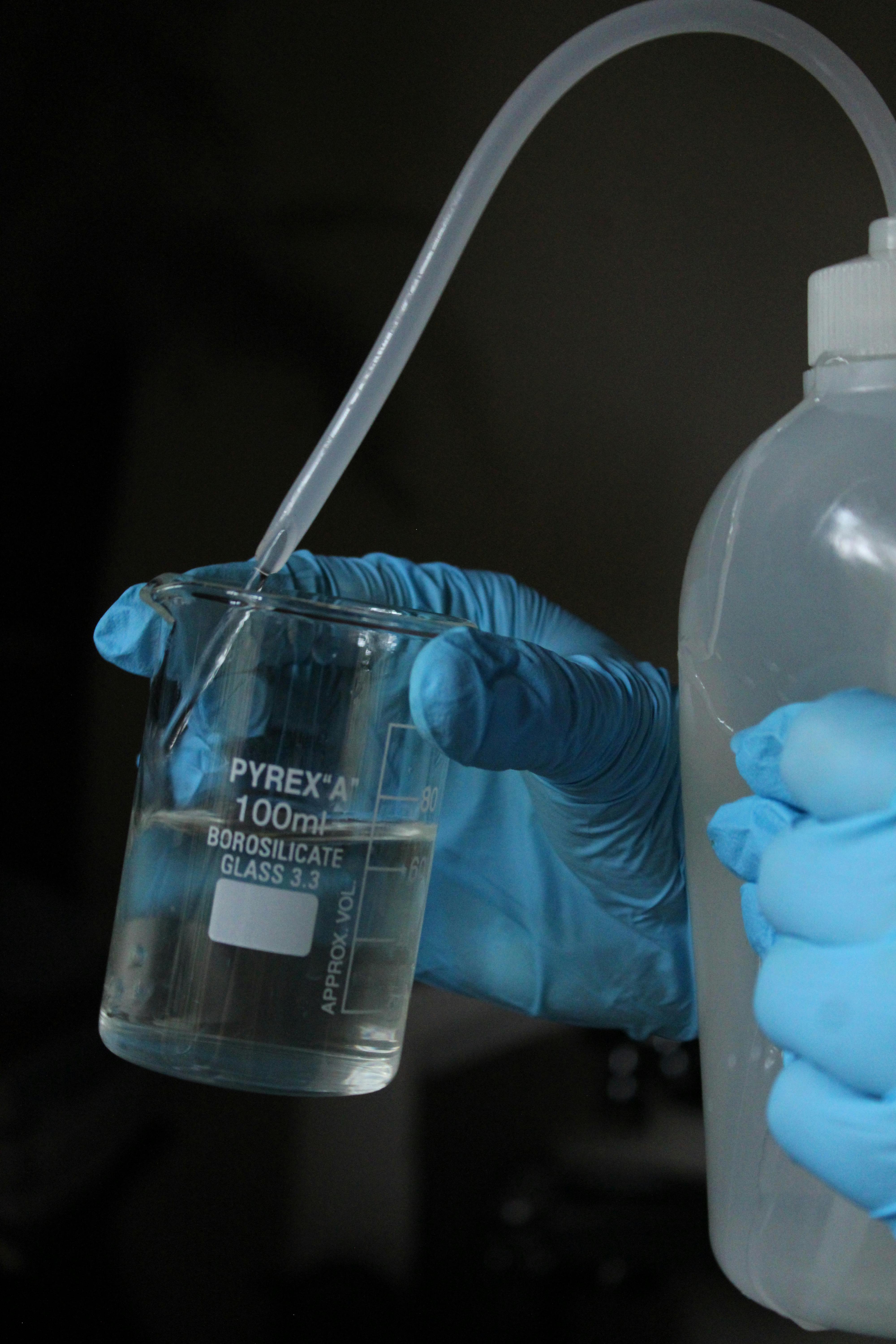
Why Drinking Water Testing Matters
Water can become contaminated through various sources such as agricultural runoff, industrial waste, aging pipes, and natural geological processes. These contaminants may include harmful bacteria, heavy metals, pesticides, and nitrates, all of which can pose serious health risks. For instance, lead from old plumbing can cause developmental and long-term health issues, while microorganisms like E. coli can lead to severe illness. Since these risks are often not visible, regular testing is essential, and considering the water testing lab price can help in choosing an affordable and reliable option.
Water quality also depends on its source. Municipal supplies are usually monitored, but private wells require individual responsibility for testing and maintenance. Environmental factors like heavy rainfall, drought, and seasonal changes can further impact water safety. Therefore, routine testing, along with comparing ensures both safety and cost-effective decision-making.
Types of Water Contaminants
Understanding the different categories of contaminants helps in choosing the right testing and treatment methods. These are generally classified into three groups:
1. Biological Contaminants
These include bacteria, viruses, and protozoa. Pathogens such as E. coli and Giardia can cause infections and serious illnesses. Water exposed to sewage or animal waste is especially vulnerable, making regular microbial testing essential.
2. Chemical Contaminants
Chemical pollutants include heavy metals (like lead and arsenic), pesticides, fertilizers, and industrial chemicals. Long-term exposure can result in chronic diseases, including cancer and developmental disorders. These contaminants are particularly common in agricultural and industrial regions.
3. Physical Contaminants
Physical impurities affect water’s appearance or texture, such as sediment, turbidity, and unusual odor. While not always harmful directly, they often signal underlying issues and may interfere with proper disinfection.
Standards and Regulations
Water quality is typically governed by national and international standards that define safe limits for various contaminants. These guidelines establish maximum allowable concentrations for harmful substances and recommend testing frequencies based on population size and water source.
While public water systems are regularly monitored, private well owners must independently ensure their water safety. Annual testing for common contaminants—such as bacteria, nitrates, and heavy metals—is widely recommended, especially in areas with agricultural or industrial activity.
Factors Affecting Testing Frequency
The need for water testing depends on several factors:
- Water Source: Private wells require more frequent testing than regulated municipal supplies.
- Location: Areas near farms, factories, or pollution sources face higher contamination risks.
- Environmental Conditions: Heavy rainfall, flooding, or drought can introduce or concentrate contaminants.
- Past Test Results: Previous contamination issues may indicate the need for ongoing monitoring.
Being aware of these factors helps determine an appropriate testing schedule.
When Should You Test Your Water?
Certain situations call for immediate water testing:
- After heavy rainfall or flooding
- Following natural disasters
- When there is a noticeable change in taste, smell, or color
- If plumbing systems are old or damaged
- As part of routine annual checks (especially for well water users)
Proactive testing during these scenarios helps prevent potential health risks.
DIY Testing vs. Professional Laboratory Testing
There are two main approaches to water testing:
DIY Testing Kits
These are affordable and easy to use, providing quick results for basic parameters like pH, chlorine, and some contaminants. However, their accuracy and scope may be limited.
Professional Laboratory Testing
Labs offer more precise and comprehensive analysis, detecting a wider range of contaminants, including bacteria and toxic chemicals. Although more expensive and time-consuming, this method is ideal for detailed assessments.
Choosing between the two depends on your needs—quick checks versus thorough evaluation.
Understanding Test Results
Interpreting water test results is key to taking the right action. Important parameters include:
- pH Level: Ideally between 6.5 and 8.5
- Total Dissolved Solids (TDS): Should generally be below 500 mg/L
- Heavy Metals: Even small amounts can be harmful
- Nitrates: Should not exceed safe limits, especially for infants
- Microbial Presence: Any detection requires immediate attention
Understanding these indicators helps determine whether your water is safe or requires treatment.
What to Do If Contamination Is Found
If testing reveals contamination, several solutions are available:
- Install filtration systems such as activated carbon filters or reverse osmosis units
- Boil water to eliminate biological contaminants (temporary solution only)
- Use specialized treatments like UV purification or chlorination
- Consult water quality professionals for severe or persistent issues
Taking prompt action ensures that risks are minimized and water safety is restored.
Best Practices for Safe Drinking Water
To maintain high water quality:
- Test your water regularly (at least once a year)
- Stay informed about local water quality reports
- Maintain plumbing and storage systems
- Use appropriate filtration methods
- Address any changes in water quality immediately
Conclusion
Safe drinking water is essential for a healthy life, and regular testing plays a vital role in ensuring its quality. By understanding potential contaminants, monitoring risk factors, and taking timely action, individuals can protect themselves and their communities. A proactive approach to water safety not only prevents health issues but also promotes long-term wellbeing for future generations.
