

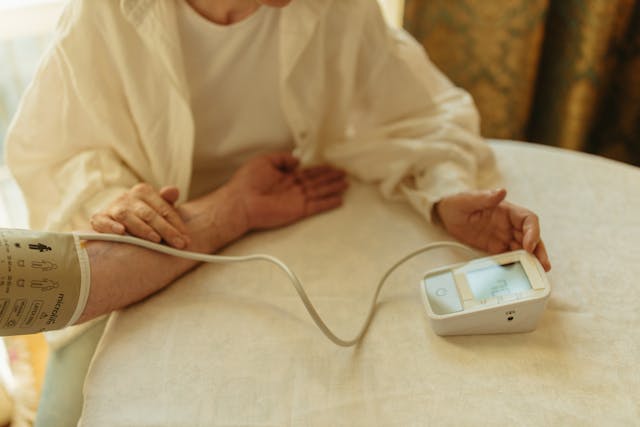
High blood pressure is often called a “silent health risk” because it develops slowly and usually shows no clear symptoms until it becomes serious. It increases the risk of heart disease, stroke, kidney problems, and other long-term complications.
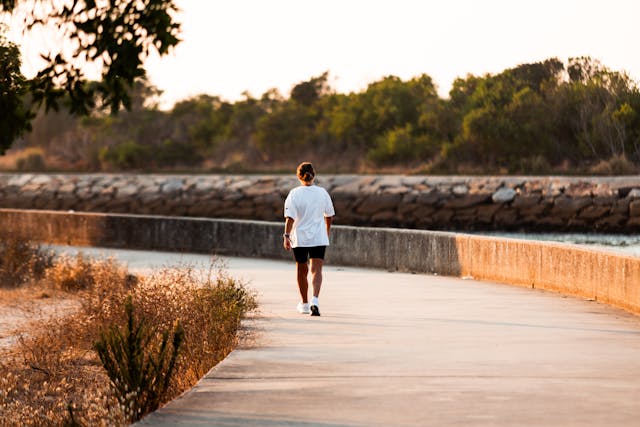
While medication may be necessary in some cases, lifestyle changes play a powerful role in controlling blood pressure. Among all natural methods, walking stands out as one of the simplest, safest, and most effective habits.
It requires no equipment, no gym membership, and can be easily included in daily life.
Why Walking Matters for Blood Pressure
Walking may seem like a basic activity, but it has a direct impact on heart health and circulation.
When you walk:
- Your heart starts pumping more efficiently
- Blood circulation improves throughout the body
- Blood vessels gradually relax and widen
- Stress hormones begin to reduce
These changes help reduce pressure on artery walls, which is the main cause of high blood pressure.
Even more importantly, walking is sustainable—it can be done daily without putting strain on the body.
What Happens Inside Your Body While Walking
To understand why walking helps, it’s useful to look at what happens internally:
1. Temporary Increase, Then Stabilisation
At the start of walking, blood pressure may rise slightly as your heart works harder. But as your body adjusts, blood vessels relax and pressure begins to drop.
2. Improved Blood Vessel Flexibility
Regular walking improves the elasticity of arteries, making it easier for blood to flow smoothly.
3. Better Oxygen Delivery
Your body becomes more efficient at delivering oxygen, reducing strain on the heart.
4. Stress Reduction
Walking reduces cortisol (stress hormone), which is closely linked to high blood pressure.
Short-Term vs Long-Term Benefits of Walking
Walking offers both immediate and long-lasting benefits.
Short-Term Effects
- Slight reduction in blood pressure after a walk
- Improved mood and relaxation
- Better blood flow immediately after activity
Long-Term Effects
- Lower resting blood pressure
- Stronger heart function
- Reduced risk of hypertension complications
- Better weight management
- Improved overall cardiovascular health
The key difference is consistency—long-term benefits only appear when walking becomes a habit.
How Much Walking Is Needed?
You don’t need intense workouts to see results. In fact, simple, consistent movement works best.
Recommended Routine
- At least 30 minutes of brisk walking daily
- 5 to 6 days per week
- Can be split into shorter sessions (10–15 minutes each)
Best Walking Pace
A good rule:
- You should be able to talk, but not sing comfortably
This is called moderate intensity walking, and it is ideal for blood pressure control.
Best Time to Walk for Blood Pressure Control
There is no “perfect” time, but consistency matters more than timing.
Morning Walks
- Boost energy for the day
- Help regulate metabolism
- Set a healthy routine
Evening Walks
- Reduce stress after work
- Improve digestion
- Promote better sleep
The best time is the one you can follow every day.
Interval Walking: A Powerful Upgrade
If you want better results, interval walking is highly effective.
It involves:
- Walking fast for 1–2 minutes
- Slowing down for 2–3 minutes
- Repeating the cycle for 20–30 minutes
Benefits of Interval Walking
- Stronger heart performance
- Better blood circulation
- Faster improvement in blood pressure
- Increased stamina
Foods That Help Lower Blood Pressure Naturally
Walking works best when combined with the right diet.
Potassium-Rich Foods
Potassium helps balance sodium levels in the body:
- Bananas
- Spinach
- Avocados
- Sweet potatoes
Heart-Friendly Foods
- Oats and whole grains
- Nuts and seeds
- Low-fat dairy products
- Fresh fruits and vegetables
Foods to Limit
- Excess salt
- Processed snacks
- Sugary drinks
- Deep-fried foods
Stress and Blood Pressure: The Hidden Link
Stress is one of the biggest hidden causes of high blood pressure.
When you are stressed:
- Heart rate increases
- Blood vessels tighten
- Blood pressure rises
Walking helps reverse this process by calming the nervous system.
Additional Stress-Relief Methods
- Deep breathing exercises
- Meditation
- Yoga or stretching
- Listening to calm music
Even 10 minutes of relaxation daily can make a difference.
How Long Does It Take to See Results?
Results vary, but many people notice changes within a few weeks.
Typical Timeline
- 1–2 weeks: improved mood and energy
- 3–4 weeks: slight reduction in blood pressure
- 1–3 months: noticeable improvement in heart health
Consistency is more important than intensity.
Common Mistakes to Avoid
- Walking only occasionally
- Walking too fast without consistency
- Ignoring diet changes
- Expecting immediate results
- Not tracking progress
Small, steady improvements always work better than sudden effort.
Conclusion
Walking is one of the simplest yet most powerful natural tools for managing blood pressure. It improves heart function, reduces stress, enhances circulation, and supports long-term cardiovascular health.
When combined with a balanced diet, stress control, and a consistent routine, walking can significantly improve overall well-being.
The most important step is not intensity—it is consistency. A daily walk, even a short one, can make a meaningful difference over time.